International governance architecture remains anchored to a distribution of power frozen in 1945. The persistence of this institutional design creates a structural mismatch between contemporary economic output and voting power within multilateral bodies. As developing economies aggregate a larger share of global gross domestic product, the mechanisms for planetary decision-making continue to concentrate authority within a narrow permanent membership. Addressing this misalignment requires evaluating the institutional costs of exclusion, the mechanics of rule-taking versus rule-shaping, and the operational bottlenecks within bodies like the United Nations Security Council.
The Architecture of Structural Disconnect
Multilateral legitimacy depends on alignment between economic weight and governance participation. When the institutional framework fails to reflect shifted demographics and production centers, its decisions suffer from a deficit of compliance and moral authority.
The Group of 77 functions as the primary collective bargaining unit for developing nations, representing over eighty percent of the global population while commanding a fraction of executive enforcement power. During ministerial assemblies, recurring debates highlight how current institutional parameters convert developing states into passive consumers of regulatory frameworks designed elsewhere.
[Economic Gravity Shift] ---> [Outdated 1945 Veto Structure] ---> [Legitimacy Deficit] ---> [Execution Friction]
This dynamic imposes tangible administrative and economic costs. Developing nations must adapt to financial, environmental, and security standards negotiated without their substantive input. The absence of a permanent seat for major emerging economies in executive security bodies means that regional crises are managed through lenses that frequently marginalize local stakeholder insights.
The Mechanics of Rule-Taker Dynamics
In political economy, a rule-taker absorbs external constraints without the capacity to alter baseline parameters. Within the United Nations system, this condition manifests through two distinct vectors:
- Agenda Monopoly: The permanent members of the Security Council dictate which global security threats receive operational mandates and resource allocations.
- Asymmetric Compliance: Norms regarding trade, climate mitigation, and financial stabilization are often enforced via conditional lending or diplomatic pressure, leaving developing economies with minimal leverage to contest compliance criteria.
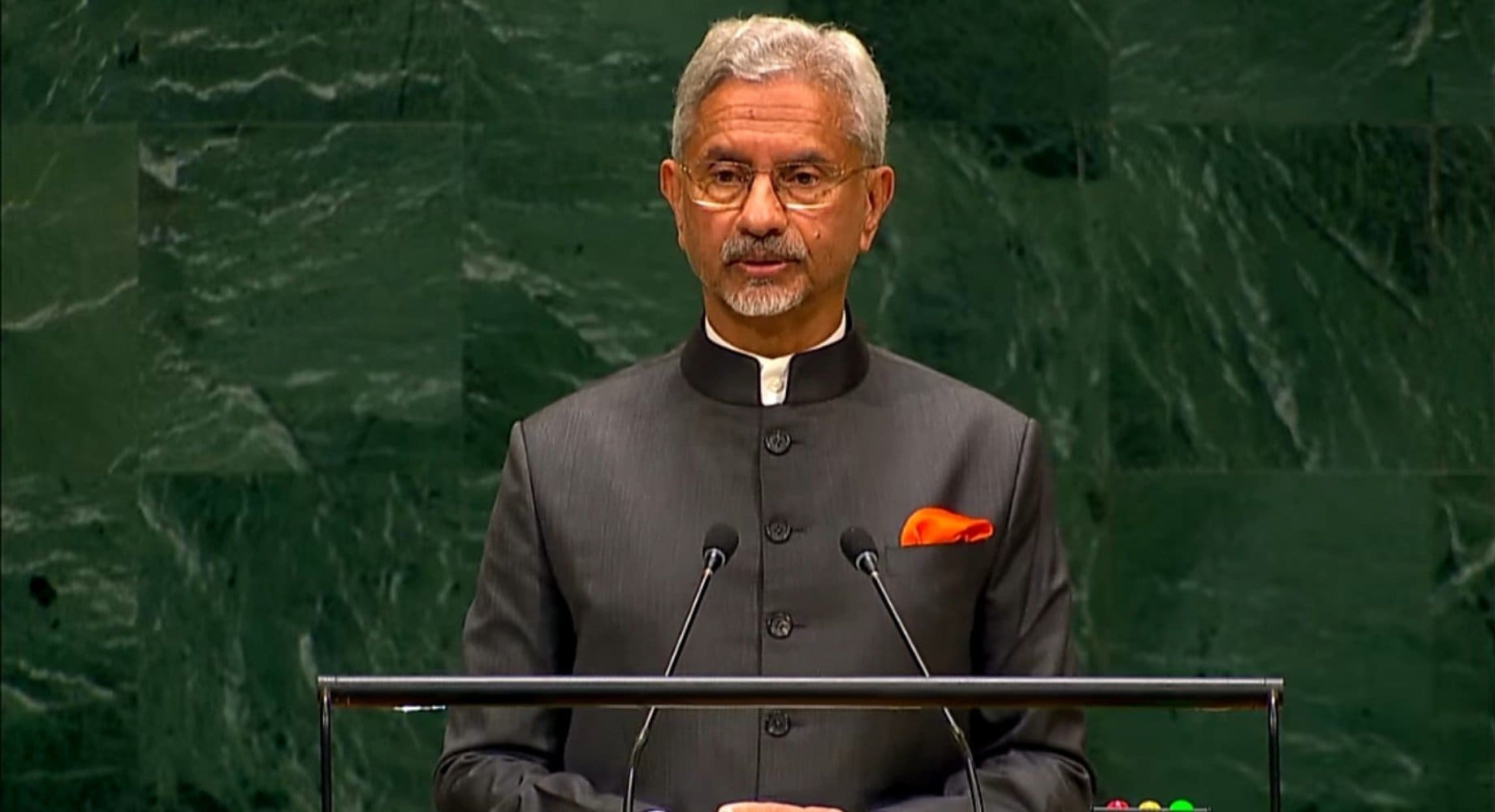
When Indian diplomatic representatives emphasize the transition from rule-takers to rule-shapers at forums like the G77 ministerial meetings, they address this exact structural asymmetry. Rule-shaping requires institutional veto points and co-equal status in drafting the legal instruments that govern international commerce and security. Without structural expansion of the Security Council, multilateral directives will continue to face implementation friction on the ground.
Institutional Inertia and Coalition Frictions
Reform efforts encounter formidable systemic barriers embedded in the foundational rules of the international organization. Article 108 of the United Nations Charter requires a two-thirds majority of the General Assembly and the concurrence of all permanent security council members to enact amendments. This creates an absolute veto buffer for incumbents who benefit from the status quo.
* Veto Concentration: Incumbent permanent members possess legal leverage to block dilution of their authority.
* Inter-Coalitional Competition: Regional rivalries among developing nations prevent the consolidation of a single negotiating bloc.
* Procedural Stagnation: The Intergovernmental Negotiations framework has operated for decades without producing a text-based negotiation mandate.
These frictions ensure that high-level declarations generate rhetorical momentum while failing to alter voting weights or executive mandates.
Strategic Execution for Plurilateral Leverage
To break this institutional equilibrium, developing coalitions must shift from moral appeals to interest-based leverage. Incremental progress depends on targeted alignment across middle powers that share an interest in rules-based predictability rather than unipolar discretion.
Institutional modernization requires decoupling veto privileges from obsolete metrics of post-war power and tying executive representation directly to current demographic and economic output. Until the architecture accommodates these variables, multilateral organizations will face continuous erosion of compliance, forcing nations toward regional arrangements and bilateral corridors to manage transnational risk.
<Fubu ... Toy review:www.youtube.com/...>
This video provides additional context on India's push for a permanent seat in a reformed United Nations Security Council.