Mass recreation events and holiday windows create immediate, predictable stress points on geographically isolated landscapes. When peak demand compresses into narrow operational windows, systemic vulnerabilities in regional infrastructure become apparent. The convergence of visitors at Po Pin Chau in Hong Kong during seasonal holiday periods offers a clear case study in spatial congestion, visitor throughput management, and the economic externalities of unregulated foot traffic.
The Spatial Bottleneck Mechanics
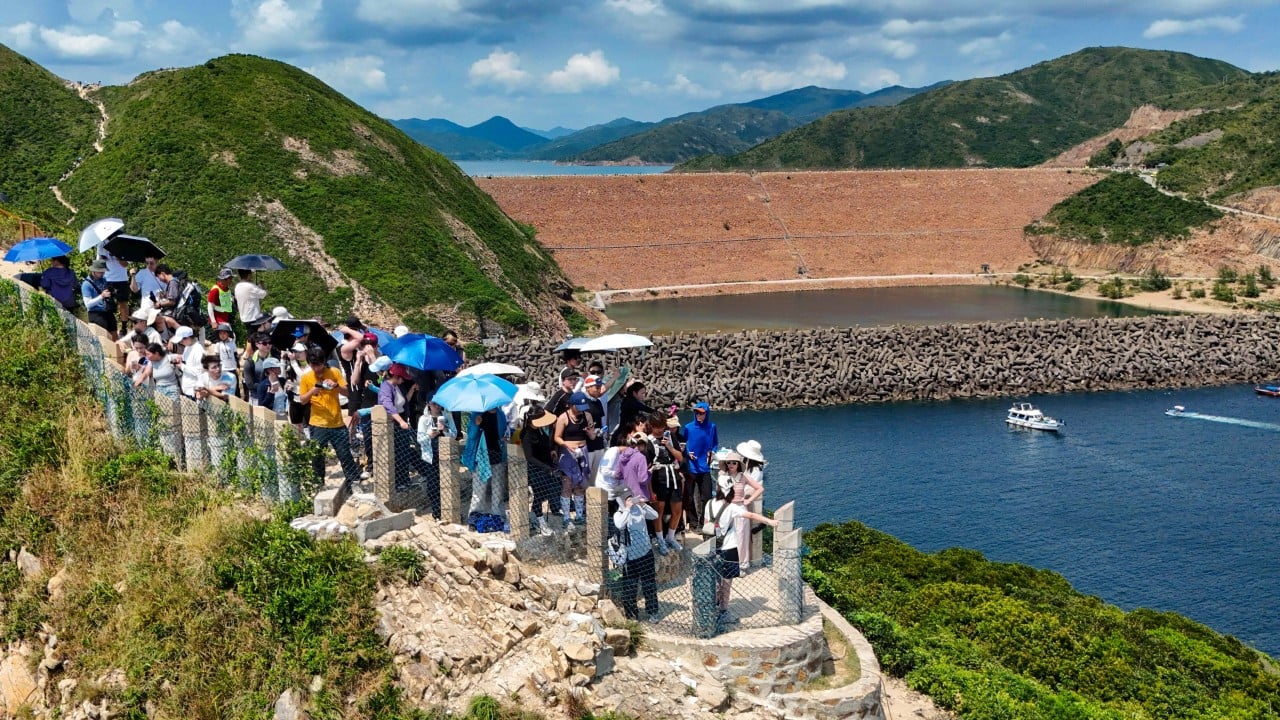
Recreational assets possessing high visual appeal generate concentrated demand surges. Po Pin Chau, characterized by its distinct hexagonal rock columns and coastal topography, features a narrow access corridor and limited staging capacity.
When visitor volume scales non-linearly during holiday windows such as National Day, the physical environment reaches saturation. The throughput capacity of the approach paths is governed by physical width and friction among pedestrians moving at divergent speeds.
[Peak Holiday Demand] ---> [Narrow Access Corridor] ---> [Throughput Friction] ---> [Spatial Saturation]
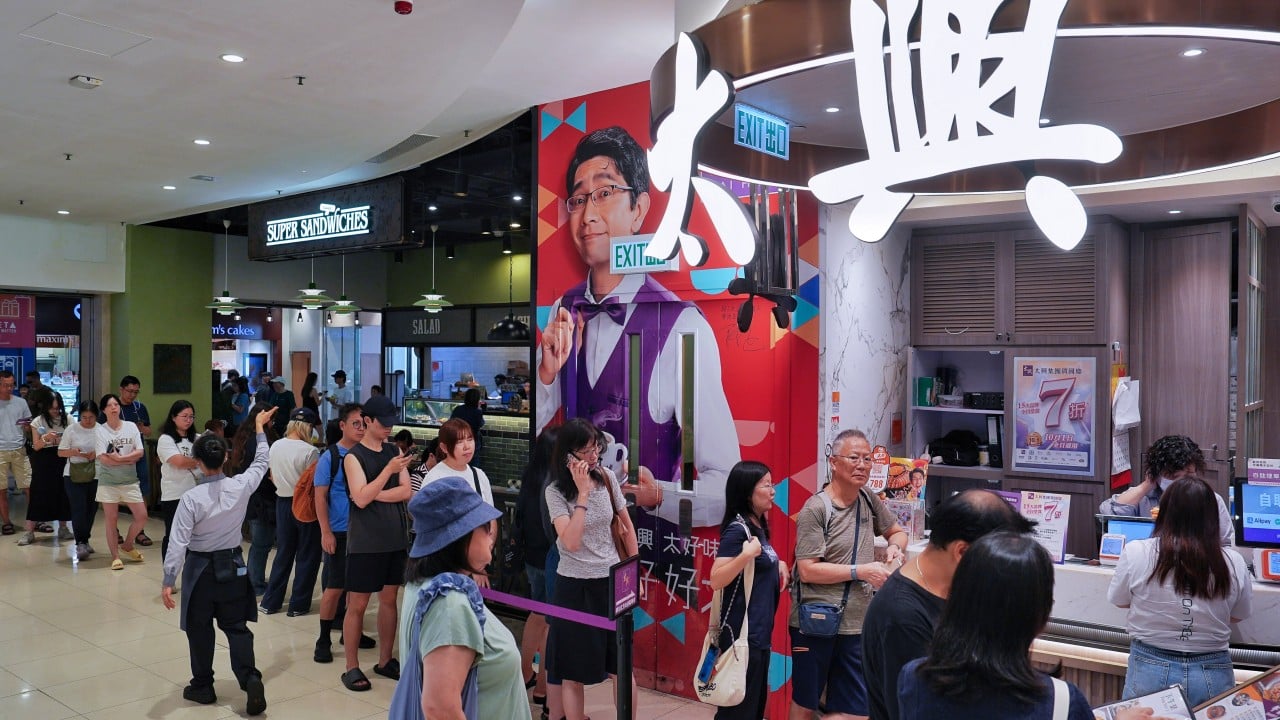
This friction leads to queuing
The Spatial Economics of Po Pin Chau Overtourism
travel
When visitor volume spikes across concentrated geographic anomalies during holiday windows, systemic friction emerges between infrastructure capacity, environmental carrying capacity, and visitor management strategies. The surge of foot traffic toward Po Pin Chau in Hong Kong during the National Day Golden Week exposes structural flaws in how natural assets absorb demand surges. Deconstructing this phenomenon requires moving past surface-level observations of crowded trails and analyzing the mechanics of spatial bottlenecks, resource allocation failures, and crowd behavioral economics.
The Infrastructure Bottleneck Equation
Recreational geography operates on a throughput model. When a landscape possesses high aesthetic value concentrated in a confined spatial footprint, visitor influx functions as a stress test on physical pathways.
Po Pin Chau features narrow coastal formations, steep inclines, and single-track hiking paths. The physical infrastructure lacks the modular expansion capability found in urban transit systems. Consequently, peak-period demand introduces immediate friction:
- Flow Restriction Points: Trail junctions and staircase ascents create pinch points where velocity drops toward zero, converting a continuous flow of hikers into stationary queues.
- Evacuation and Emergency Vulnerability: High-density clustering along cliffside corridors restricts emergency response times, transforming congestion from a minor convenience issue into a structural risk factor.
- Erosion Velocity: Foot traffic exceeding the designed soil stabilization threshold strips vegetation cover, accelerating slope degradation during subsequent weather events.
Traditional park management relies on static signage and post-incident cleanup. These measures fail during Golden Week because they address symptoms rather than the underlying volume variable. Without dynamic load balancing, trail networks absorb visitor spikes through physical degradation rather than managed distribution.
The Economic Drivers of Spatial Concentration
Visitor clustering during designated holiday windows is not random; it is the predictable output of synchronized leave policies and social media amplification loops.
During Golden Week, regional labor markets experience simultaneous downtime. This compressed timeframe forces millions of potential outdoor recreationists into the exact same temporal window. When combined with algorithmic visibility loops on platforms like Xiaohongshu or Instagram, demand concentrates on a finite set of hyper-specific geographic coordinates.
- Information Asymmetry: Visitors gravitate toward heavily documented viewpoints because search algorithms reward visual confirmation, creating a feedback loop that starves alternative, less-traveled routes of attention.
- Opportunity Cost Minimization: Travelers with limited holiday time minimize the risk of unproven destinations by selecting established, high-certainty visual landmarks, regardless of crowding penalties.
- Externalized Costs: The environmental and congestion costs borne by the trail network and local transport systems are externalized, meaning individual visitors do not experience the true cost of their participation in peak-hour congestion.
This creates a tragedy of the commons scenario where the utility gained by an individual visitor via a scenic photo opportunity is high, while the marginal degradation inflicted on the trail ecosystem is shared collectively.
Regulatory Lags and Systemic Friction
Mitigating high-density visitor surges requires intervention across three operational layers: temporal distribution, spatial dispersion, and access control. Current institutional frameworks struggle to deploy these tools effectively.
Temporal dispersion involves incentivizing off-peak visitation through pricing mechanisms or reservation slots. However, public land management agencies often treat access as an unconditional public right, creating political resistance to quantitative caps or permit fees.
Spatial dispersion requires active real-time routing. If trail authorities fail to provide viable, compelling alternative routes with equivalent visual payoff, visitors will bypass warnings and crowd the primary attraction anyway.
Transportation bottlenecks compound the problem. Ferry terminals, rural bus lines, and single-lane access roads leading to trailheads operate under fixed capacities. When private transport providers or public transit systems fail to scale frequency to meet the surge, visitors experience extended transit delays that compress arrival windows, creating even sharper hourly peaks at the destination.
Strategic Realignment of Recreational Assets
Addressing hyper-concentration at high-profile nature sites requires a transition from reactive policing to predictive system management.
- Dynamic Access Thresholds: Implement real-time visitor tracking via cellular signaling or turnstile metrics at trailhead entry points, feeding data into public-facing apps to deter arrivals when capacity hits critical limits.
- Decentralized Marketing of Alternatives: Government tourism bodies must deliberately shift promotional focus toward secondary and tertiary natural assets, redistributing demand before it reaches critical mass.
- Hardened Trail Infrastructure: For unavoidable high-traffic nodes, replace vulnerable dirt paths with reinforced boardwalks and stone steps designed to withstand high-density foot traffic without exponential erosion.
The friction observed at Po Pin Chau during major holiday windows is a preview of systemic pressures facing finite natural ecosystems worldwide. Sustainable management depends on treating natural landscapes not as infinite public goods, but as managed infrastructure networks subject to the laws of capacity, flow, and structural limits.