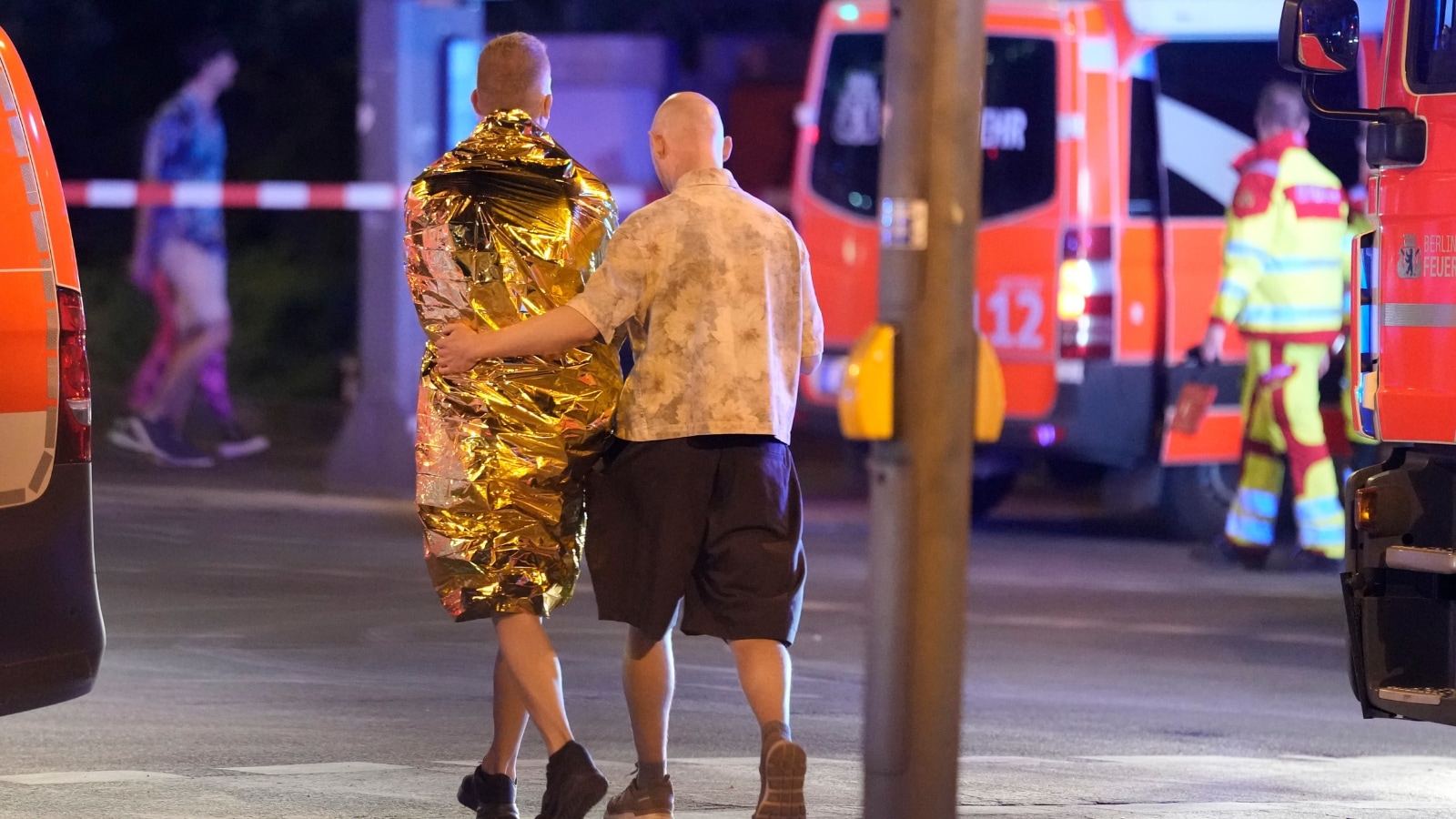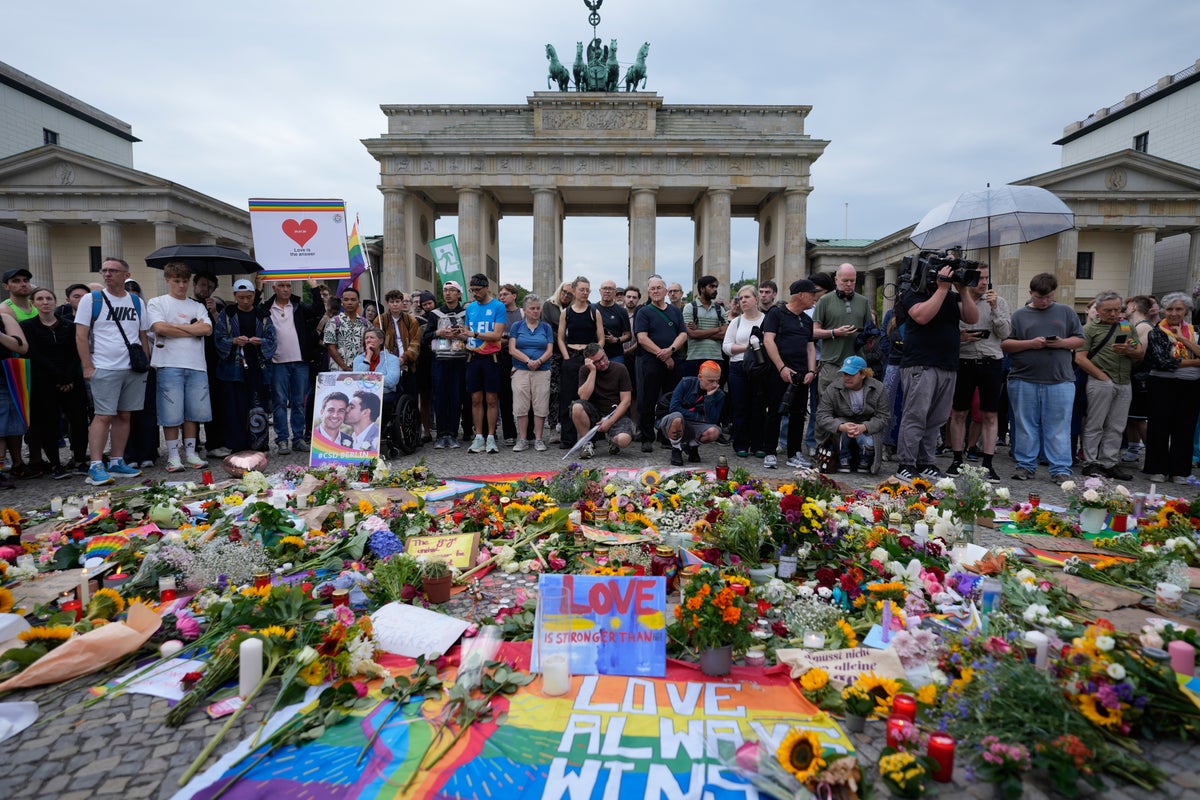
Public safety architectures during large-scale civic demonstrations rely on a predictable balance between crowd density, perimeter control, and threat mitigation. When that balance fails, the consequences extend far beyond physical casualties, triggering a systemic reassessment of risk management for marginalized communities. The violent incidents targeting Pride participants in Berlin illustrate a structural breakdown in threat assessment. To understand why public demonstrations remain necessary despite these risks, one must analyze the economic and social functions these events serve, moving past emotional rhetoric to examine threat vectors, institutional responsibilities, and the mechanics of public resilience.
The Threat Vector Matrix in Public Demonstrations
Security planning for open-air cultural events requires categorizing threat vectors into three distinct operational domains: opportunistic criminality, organized ideological violence, and systemic state failure.
Opportunistic criminality involves individual actors exploiting high-density environments for theft, localized harassment, or sudden assault. This vector is predictable, managed through standard crowd-control barriers, lighting, and visible law enforcement patrols.
Organized ideological violence operates on a different logic. Perpetrators driven by extremist ideology view mass gatherings of targeted demographics as high-value targets for asymmetric impact. The attack in Berlin demonstrated the limitations of static defenses against motivated actors who weaponize anonymity within crowded urban spaces. When an ideology targets identity, physical congregation becomes an act of exposure. The risk surface area expands because the identifier is visible on the individual body, rendering traditional perimeter security insufficient unless access is strictly controlled via gated entry points, which fundamentally alters the open, civic nature of Pride demonstrations.
Systemic state failure occurs when municipal infrastructure, intelligence sharing, or police responsiveness falls below the threshold required to deter targeted violence. When community organizers must absorb the financial and operational burden of private security, the economic barrier to entry for public assembly rises sharply. This creates a secondary vulnerability: the systematic exclusion of smaller or less-funded groups from public space due to prohibitive safety costs.
The Economic Utility of Visibility
Public assembly functions as an economic and social signaling mechanism. For marginalized demographics, physical visibility achieves three primary objectives: market signaling, political leverage, and community cohesion.
Market signaling occurs when a demographic demonstrates collective purchasing power, labor market participation, and cultural influence. Corporations and municipal governments respond to this signal by investing in infrastructure, sponsorships, and inclusive policies. When violence disrupts this visibility, it introduces a risk premium. Organizers face higher insurance premiums, increased private security expenditures, and elevated administrative costs to secure municipal permits.
Political leverage operates through the consolidation of numbers. Policymakers respond to concentrated public presence more rapidly than to decentralized advocacy. A successful demonstration forces municipal leadership to allocate resources toward protection and policy alignment. Conversely, an attack attempts to invert this dynamic by introducing fear, thereby raising the opportunity cost of participation. Individuals must weigh the civic benefit of visibility against the personal cost of physical harm.
Community cohesion represents the internal utility of the demonstration. Psychological resilience is reinforced through collective gathering. Social capital increases when members of a demographic interact in a physically secure environment, sharing resources and establishing institutional networks. When that security is breached, the psychological cost manifests as hyper-vigilance, social fragmentation, and a retreat from public life.
Institutional Failure Points and Mitigation Mechanics
Analyzing the Berlin incident requires examining the operational gaps between threat intelligence and tactical deployment. Public safety failures during major civic events typically stem from three structural deficiencies.
Intelligence silos prevent municipal police forces from connecting fringe online radicalization with physical threat markers on the ground. Law enforcement agencies often treat harassment reports and minor altercations as isolated incidents rather than leading indicators of coordinated violence. Without a centralized risk-scoring mechanism for hate-motivated threats, tactical units deployed to public events remain reactive rather than preventative.
Resource allocation models are frequently misaligned with the actual threat landscape. Cities often budget security based on historical crowd size rather than dynamic risk assessments. If threat intelligence indicates an elevated risk of targeted violence, static traffic barriers and baseline police presence are inadequate. Effective mitigation requires intelligence-led policing, जिसमें plainclothes operatives integrated within crowds, rapid-response tactical teams positioned near perimeter choke points, and real-time communication channels between event organizers and law enforcement command centers must be standard operating procedure.
The legal frameworks governing public space and hate speech enforcement create enforcement bottlenecks. When municipal authorities prioritize uninterrupted traffic flow and commercial activity over defensive urban design, security measures are often treated as secondary inconveniences rather than primary design constraints. Hardened bollards, controlled access corridors, and secure assembly staging areas must be integrated into municipal master plans rather than improvised weeks before an event.
The Resilience Threshold
Communities facing persistent threat vectors must calculate their resilience threshold. This metric measures the capacity of a population to absorb targeted violence without experiencing a permanent contraction of public visibility.
When the cost of participation—measured in personal safety, financial outlay for security, and psychological stress—exceeds the utility gained from public assembly, participation rates decline. This contraction achieves the primary objective of extremist actors: the elimination of public dissent and visibility through intimidation.
To prevent this outcome, institutional responses must shift from temporary crisis management to structural fortification. Municipalities must subsidize the security infrastructure of public demonstrations, treating the protection of civic assembly as a core public utility rather than an externalized cost borne by community organizers. Intelligence agencies must upgrade their monitoring of ideological networks that explicitly target minority gatherings, treating such rhetoric as a precursor crime rather than protected expression when actionable plans are identified.
The persistence of Pride demonstrations in the face of violent opposition is not merely an emotional stance of defiance; it is a strategic imperative. Surrendering public space signals vulnerability, inviting further erosion of civil protections.
Integrate dynamic threat-modeling protocols into the municipal permitting process, tying event approval to verified, multi-layered security frameworks funded collaboratively by city budgets and event stakeholders.