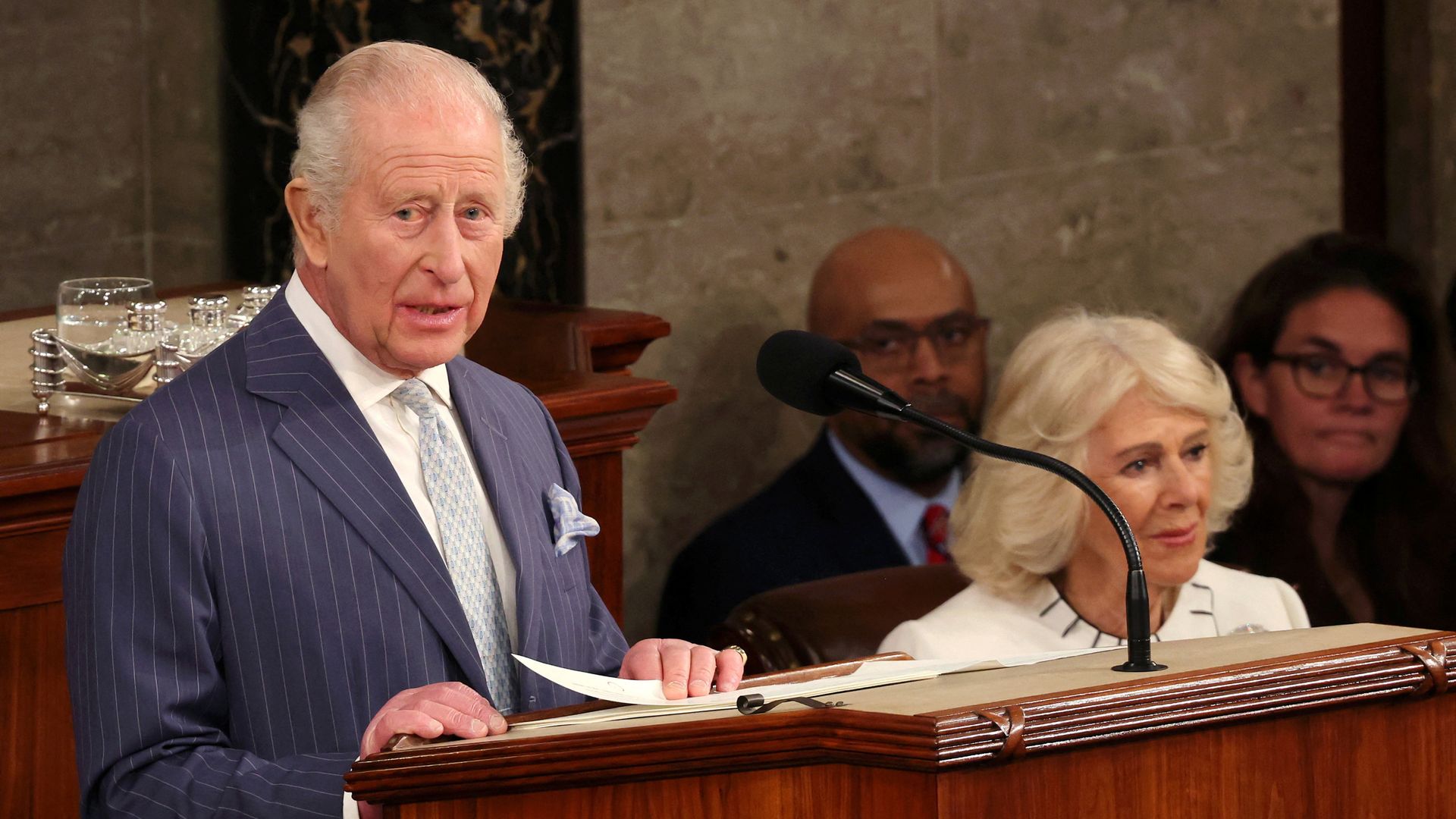
The King’s Speech is rarely about the words written on the vellum. To the uninitiated, the state opening of Parliament is a relic of costume drama and archaic procedure, but for those who track the movement of British soft power, it is a high-stakes branding exercise. The messaging found in the most recent address was not merely a list of legislative priorities; it was a carefully calibrated attempt to redefine the Crown's utility in an era where tradition alone no longer pays the bills. This was about the intersection of constitutional duty and the quiet, desperate need for the monarchy to remain the ultimate salesman for "UK PLC."
While the headlines focused on the specific bills regarding energy and housing, the deeper story lies in the tone. It was a pivot away from the grand, sweeping symbolism of the previous reign toward a more clinical, managerial approach to the state. This wasn't an accident. The palace is currently navigating a period of forced transparency and fiscal scrutiny that makes the old "never explain, never complain" mantra look like a liability.
The Shift From Symbolism to Utility
For decades, the monarch acted as a living bridge to a glorious, if debatable, past. The recent messaging suggests a different trajectory. The Crown is now positioning itself as a silent partner in industrial strategy. By emphasizing legislation that aligns with green energy and infrastructure, the speech attempted to tether the monarchy to the future rather than the past.
This is a survival tactic. When the King reads a speech drafted by a government focused on "growth," he is effectively endorsing a corporate-style overhaul of the British image. The subtext is clear: the monarchy is not a hurdle to modernization but a facilitator of it. It is a subtle rebrand from "Head of State" to "Chief Diplomatic Officer."
The mechanics of this shift are visible in how the speech handled the Great British Energy proposal. By placing the royal seal of approval—at least ceremonially—on a state-owned energy company, the monarchy is distancing itself from the landed-gentry image that has historically been its greatest PR weakness. It is an attempt to look like a stakeholder in the average citizen's cost-of-living crisis.
The Economic Ghost in the House of Lords
Follow the money, and the messaging becomes even more transparent. The UK is currently struggling to maintain its status as a top-tier destination for foreign direct investment. The state opening of Parliament serves as a massive, televised advertisement for British stability. In a world of volatile politics, the image of the King on the throne conveys a sense of permanence that no elected official can replicate.
However, there is a tension here that the official scripts try to hide. The monarchy itself is an extractive institution, yet it must now champion "wealth creation." This creates a narrative friction that was palpable throughout the ceremony. The speech talked about "securing the long-term benefit of the country," which is code for stabilizing the markets. Investors don't like surprises. The ritual of the speech is the ultimate anti-surprise.
The Quiet Death of Grandiosity
Notice the lack of flourish. Compared to speeches of the mid-20th century, the language has become increasingly dry and technocratic. This is a deliberate stripping away of the "magic" that Walter Bagehot famously warned would vanish if it were looked at too closely. The modern palace knows that in 2026, magic is a hard sell to a taxpayer base that can’t find affordable housing.
Instead of magic, they are offering "reliability." The messaging is designed to make the monarchy seem like a neutral, almost invisible infrastructure. Like a high-speed rail network or a power grid, it is meant to just be there, functioning without much fuss.
The Geopolitical Sales Pitch
Beyond the domestic agenda, the speech contained a secondary layer of messaging directed at the Commonwealth and European neighbors. After years of post-Brexit friction, the tone has shifted toward "resetting" relationships. The King’s delivery of these points is a form of diplomatic signaling that the government cannot achieve through standard channels.
When the monarch mentions "rebuilding partnerships," it carries a different weight than when a Prime Minister says it. It implies a multi-generational commitment. It tells the world that the UK is ready to stop bickering and start trading again. This is the monarchy's real job in the 2020s: acting as a soft-power buffer that allows politicians to change direction without looking like they are flip-flopping.
The Risk of Being Too Relevant
There is a danger in this new approach. By tying the monarchy’s messaging so closely to contemporary political goals—like net-zero targets and planning reform—the institution risks losing its perceived neutrality. If the government’s plans fail, the "silent partner" in the crown becomes associated with that failure.
We are seeing a move away from the "majesty" of the office toward the "administration" of the office. It is a gamble. If you take away the mystery and replace it with a spreadsheet, you have to ensure the numbers add up. The current strategy assumes that the public values efficiency over tradition, a premise that has yet to be fully tested in the crucible of a constitutional crisis.
The Architecture of Consent
The King's Speech is an exercise in the architecture of consent. It uses the weight of history to make new, often controversial laws feel inevitable. By wrapping a radical housing policy or a shift in workers' rights in the ermine and gold of the state opening, the government makes it harder for the opposition to frame these moves as fringe or dangerous.
It is a psychological trick. The visual of the King reading the words gives the policy a "natural" feeling, as if it were part of the seasonal cycle rather than a partisan choice. This is the "how" behind the messaging: the use of ancient ceremony to sanitize modern politics.
The Missing Pieces of the Narrative
What was left out of the speech is as important as what was included. There was a notable absence of rhetoric regarding the "culture wars" that have dominated British headlines for years. This silence is a message in itself. The palace is signaling a desire to return to a more boring, stable form of governance. They want to lower the national temperature.
The messaging is one of de-escalation. By focusing on mundane, practical matters like train nationalization and water regulation, the speech tries to move the national conversation away from identity politics and back toward the basic functions of a state. It is a plea for normalcy from an institution that depends on a stable social order to exist.
The Burden of the Script
We must remember that the King does not write these words, but he does choose how to deliver them. The pacing, the emphasis, and the physical presence all contribute to the message. There was a certain weariness in the recent ceremony, a sense that the Crown is tired of being the mouthpiece for a revolving door of administrations.
This weariness is actually an asset. It makes the King seem like a reluctant but dutiful servant, which is exactly the image the monarchy needs right now. It contrasts with the perceived "ambition" and "ego" of elected politicians. The message is: "I am doing this because I must, for the sake of the country." It is a powerful, if manipulative, framing.
The Future of the Address
As we move forward, expect the messaging to become even more aligned with global ESG (Environmental, Social, and Governance) standards. The palace is very aware that its longevity depends on being seen as an ethical leader on the world stage. The King’s Speech will increasingly sound like a corporate social responsibility report, peppered with enough "My Lords and Members of the House of Commons" to keep the traditionalists happy.
The transition from a mystical monarchy to a functional one is nearly complete. The speech is no longer an oracle speaking from on high; it is a progress report from the board of directors. The only question is whether the shareholders—the British public—will continue to see the value in the overhead costs of the boardroom.
The messaging is working for now because there is no viable alternative on the table. But the moment the Crown’s utility is outweighed by its perceived cost, the script will have to change again, or the theater will finally go dark. The next few years will determine if this "managerial" monarchy can survive without its "magic."
The real story isn't the bills being passed; it’s the quiet transformation of a king into a clerk.