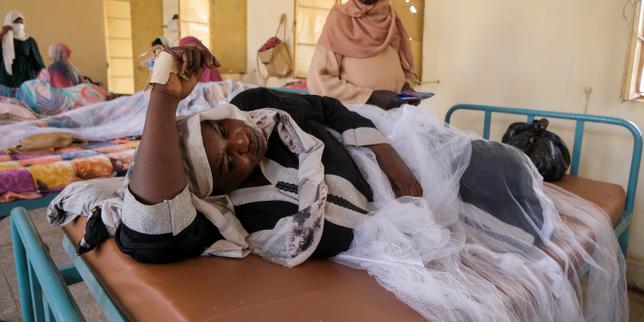
The world is looking away from a preventable catastrophe. Sudan is battling a ferocious cholera outbreak that has already claimed at least 120 lives since May, and the numbers are climbing fast. This isn't just a sudden natural disaster. It's the direct result of a brutal, ongoing civil war that has systematically smashed the country's infrastructure to pieces.
When you weaponize health or ignore the collapse of clean water systems, people die. Thousands more are currently infected. The World Health Organization (WHO) is sounding the alarm, but the global response remains sluggish.
The reality on the ground is grim. Heavy seasonal rains and massive flooding have turned an already unstable displacement crisis into a perfect breeding ground for waterborne disease. If you want to understand why this outbreak is spreading like wildfire, you have to look at the intersection of conflict, climate, and a collapsed healthcare network.
Inside the Perfect Storm Driving Sudan Cholera
Cholera is an acute diarrheal infection caused by eating food or drinking water contaminated with the bacterium Vibrio cholerae. It kills within hours if left untreated. Yet, treatment is incredibly simple and cheap: oral rehydration salts and clean water.
So why are 120 people dead?
Because clean water doesn't exist for millions of Sudanese right now. The war between the Sudanese Armed Forces (SAF) and the Rapid Support Forces (RSF) has forced over 10 million people from their homes. Families are crammed into makeshift camps without proper sanitation. Human waste mixes with stagnant floodwaters. People drink what they can find to survive.
The rainy season hit Sudan with a vengeance this year. Flooding in states like Kassala, Gedaref, and Al Jazirah didn't just destroy shelters; it overwhelmed the primitive latrines in displacement hubs. This flooded water systems with raw sewage.
The Broken Infrastructure Nightmare
Public health experts know you can't fight a bacterial outbreak without a functioning medical system. Sudan's healthcare is practically non-existent in conflict zones.
According to reports from the field by Médecins Sans Frontières (MSF), up to 80% of health facilities in the hardest-hit areas are completely non-functional. Some have been bombed. Others ran out of medicine months ago. The doctors and nurses have fled for their lives.
When a child in a camp in Kassala gets sick, there is no clinic down the road. Parents have to carry their dehydrated children for miles, often through active conflict lines or flooded terrain, just to find basic medical attention. By the time they arrive, it is frequently too late.
The WHO has managed to deliver some treatment kits, but aid delivery in Sudan is a bureaucratic and logistical nightmare. Both warring factions routinely block humanitarian convoys, hijack supplies, and deny visas to international medical teams. It's a deliberate strangulation of aid.
Beyond the Official Numbers
Let's be completely honest about the data. The official toll of 120 deaths and roughly 3,400 cases since May is a massive underestimate.
Testing capacity is severely limited. Most cholera cases occur in remote villages or besieged urban areas where surveillance teams cannot safely travel. People are dying in their tents and homes without ever being counted.
The actual footprint of this epidemic is likely double or triple what is being reported. This mirrors the tragic trajectory of previous outbreaks in conflict zones, like Yemen in 2017, where weak tracking masked a crisis that eventually topped a million cases. Sudan is tracking along that exact same trajectory.
What Needs to Happen Right Now
Stopping a cholera outbreak isn't rocket science, but it requires immediate, unhindered access.
First, a humanitarian ceasefire must be enforced specifically around aid corridors. Medical trucks carrying chlorine tablets, water purification units, and rehydration fluids need safe passage. Second, a massive vaccination campaign using the Oral Cholera Vaccine (OCV) needs to target the high-risk displacement camps immediately before the muddy roads become entirely impassable.
If you want to help, support organizations with an active, physical presence on the ground despite the danger. Groups like Médecins Sans Frontières, the International Committee of the Red Cross (ICRC), and local Sudanese "Emergency Response Rooms"—grassroots mutual aid networks run by young Sudanese volunteers—are the ones actually keeping people alive. Donating directly to these entities ensures your resources fund clean water bladders and medical supplies where they are desperately needed today.