The phone rings at 3:00 AM. It is not a call from a friend or a late-night wrong number. It is the automated, metallic voice of a military warning system, or perhaps the sharp, digital notification of a social media alert. In southern Lebanon, this sound has become the modern herald of displacement. It signals that the walls you have lived within for thirty years are no longer a sanctuary. They are now a target.
The Israeli military calls these "evacuation orders." On paper, in a sterile briefing room in Tel Aviv or a news crawl on a screen in New York, the words look organized. Efficient. They suggest a structured movement of people from point A to point B to avoid "ongoing operations" against Hezbollah. But on the ground, the reality is a chaotic scramble where the weight of a lifetime is reduced to what can fit in the trunk of a beat-up sedan.
Consider a woman we will call Farah. She lives in a small village nestled among the olive groves south of the Litani River. When the order comes, she doesn't think about the geopolitics of the border or the sophisticated missile systems hidden in the hills. She thinks about her mother’s medicine. She thinks about the photo albums under the bed. She thinks about the bread she left rising on the counter.
The Geography of Fear
The map of southern Lebanon is being redrawn by these warnings. It is no longer defined by ancient cedar forests or the Mediterranean coastline, but by shifting "red zones" that expand and contract based on intelligence reports and tactical shifts. The Israeli Defense Forces (IDF) insist these measures are necessary to protect civilians while they dismantle the infrastructure of an entrenched enemy. They claim that by warning residents to move north—often beyond the Awali River—they are minimizing the collateral damage of a war that has grown increasingly intimate and violent.
Yet, for the thousands of families on the road, the "why" matters far less than the "where."
Where do you go when the neighboring town is also under an evacuation order? Where do you sleep when the schools turned into shelters in Beirut are already overflowing? The roads heading north become rivers of steel and exhaust. Cars are packed so tightly that children sit on laps and suitcases are strapped to roofs with frayed rope. Every few miles, the column slows to a crawl as drivers scan the sky, listening for the distinct, low hum of a drone.
War is loud, but the exodus is surprisingly quiet. There is the sound of engines and the occasional crying of a hungry infant, but mostly there is a stunned, heavy silence. It is the silence of people who have realized they are now part of a statistic.
The Invisible Stakes of a Border in Flames
This is not a new story for this region, but the intensity has changed. The current operations are framed as a surgical necessity to stop rocket fire into northern Israel, which has left dozens of Israeli towns ghost-like and empty. From the Israeli perspective, the displacement of southern Lebanese civilians is a tragic but inevitable byproduct of Hezbollah’s decision to embed its military hardware within civilian neighborhoods.
The logic is cold and circular.
If a rocket launcher is placed in a garage, the garage becomes a target. If the garage is in a residential block, the block must be cleared. If the block is cleared, a family loses its world.
But there is a psychological cost that no military briefing accounts for. When you tell a population to leave "immediately," you are severing their connection to their own history. A home is not just a collection of bricks; it is a repository of identity. When Farah locks her front door—if she has time to lock it at all—she is not just leaving a building. She is surrendering the physical evidence of her existence to the whims of high-explosive ordnance.
The Logistics of Ruin
The technical reality of these evacuations is a nightmare of infrastructure. Southern Lebanon’s roads were never designed for the mass migration of an entire population. As the IDF pushes further into the border regions, the "safe" zones shrink.
- Communication breakdown: As power grids fail and cellular towers are damaged, receiving the "order" becomes a matter of luck. Some families flee because they saw their neighbors packing; others stay because they never got the message.
- Economic evaporation: A farmer cannot evacuate his land. The goats and the olive trees stay behind. For those who live off the soil, leaving means total financial ruin, a debt that will take generations to repay if the land is even habitable when they return.
- The Northward Squeeze: Cities like Sidon and Beirut are buckling. The cost of a single-room apartment has skyrocketed, and the social fabric is fraying under the weight of hundreds of thousands of displaced souls.
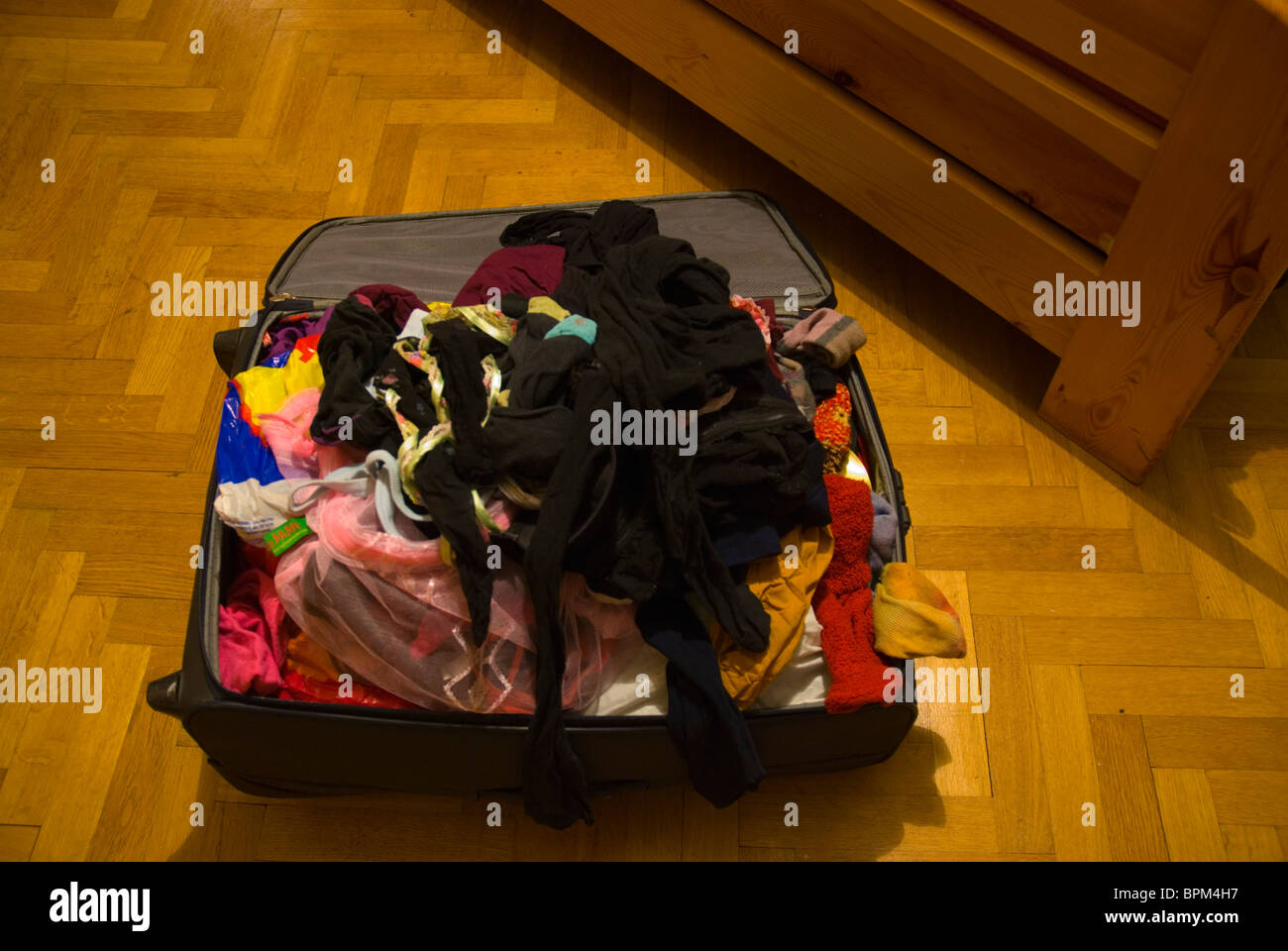
History suggests that when people are told to leave for "their own safety," the return date is often written in water. In 1978, 1982, and 2006, the story was the same. The "temporary" displacement becomes a month, then a season, then a year. The suitcase in the hallway remains packed because unpacking feels like an admission that you might never go back.
The Human Toll of a Tactical Move
The tragedy of the modern conflict is its precision. We are told that bombs are smarter now, that warnings are more targeted, and that technology has made war more "humane." But there is nothing humane about a grandfather sleeping on a sidewalk in Beirut because his village was deemed a tactical necessity.
There is a specific kind of exhaustion that sets in after days of flight. It is a gray, soul-deep weariness that comes from losing your agency. In the villages of the south, people who were once the masters of their own lives—business owners, teachers, mechanics—are reduced to waiting in line for a blanket or a gallon of water. They become "the displaced." A mass of humanity to be managed, counted, and eventually, forgotten when the next news cycle begins.
The Israeli military continues to issue its maps, its arrows pointing north, away from the smoke. They argue that the blood of the innocent is on the hands of those who hide weapons in homes. Hezbollah counters that they are the only shield against an invading force. And in the middle, the people of the south continue to drive, their eyes fixed on the rearview mirror, watching the dust rise over the only life they have ever known.
Night falls over the Mediterranean. On the coastal highway, the headlights stretch out in a long, shimmering ribbon of desperation. Each light represents a family, a story, and a suitcase filled with the remnants of a life. They drive because they were told to. They drive because they want to live. But as the miles grow between them and their homes, a harder truth begins to take hold.
You can move a person away from a war, but you cannot move the war out of the person. The sound of the phone ringing at 3:00 AM doesn’t stop just because you’ve reached the city. It rings in the mind, a permanent reminder that safety is an illusion and home is a place that can be erased by a single notification.
The bread on Farah’s counter has likely collapsed by now. The photo albums are still under the bed. The olive trees stand in the dark, waiting for a harvest that may never come, while the people who planted them search for a patch of pavement to call their own.