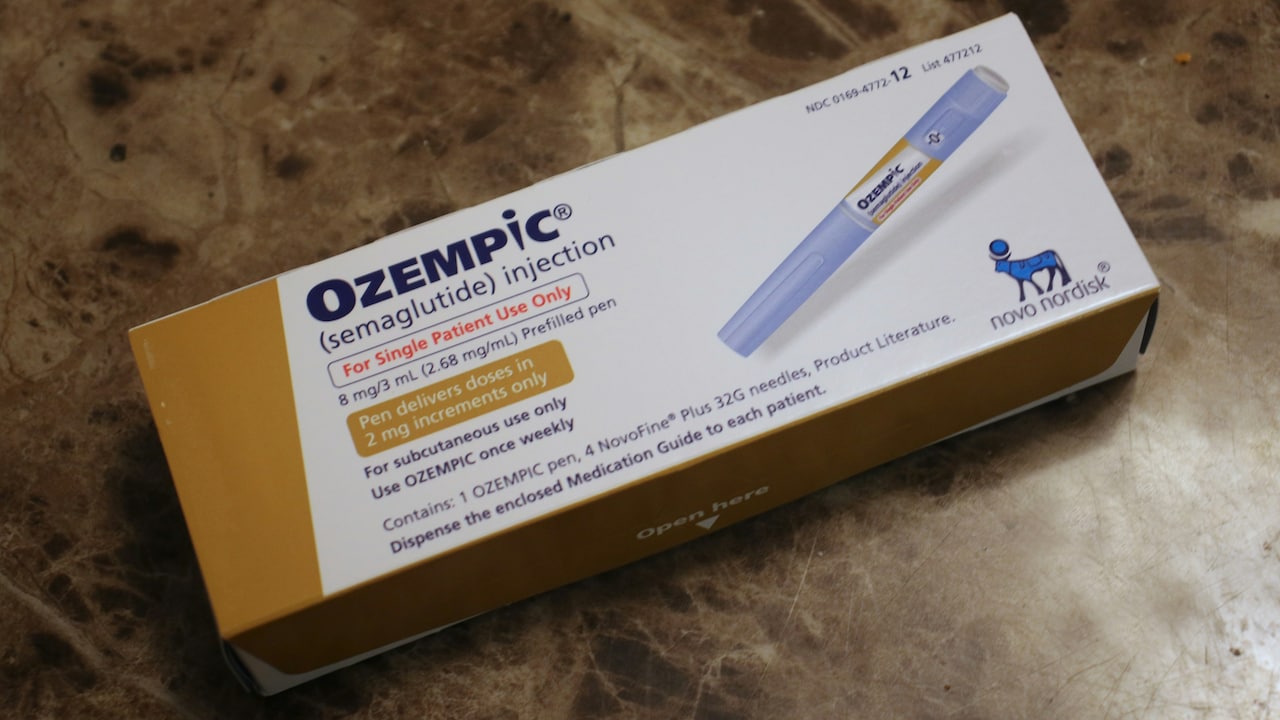
The illicit market for metabolic therapeutics reveals a systemic structural failure in global distribution security. When federal authorities charged two individuals for smuggling and distributing adulterated semaglutide analogues sourced from Chinese manufacturing networks, the mainstream coverage focused on the surface narrative of criminal culpability. That framing misses the economic mechanics that make the underground pharmaceutical trade inevitable.
High-demand therapeutics with constrained supply chains create predictable economic vacuums. When manufacturing capacity fails to meet aggregate global consumption, arbitrage opportunities emerge for actors operating outside regulated pharmaceutical networks. This dynamic transforms standard supply chain vulnerabilities into high-margin criminal enterprises. Understanding how illicit actors infiltrate the medical supply market requires dissecting the economic incentives, regulatory blind spots, and distribution vectors that govern modern grey-market logistics.
The Economic Drivers Of Pharmaceutical Arbitrage
The market for peptide-based diabetes and weight management treatments operates under severe supply elasticity constraints. Production complexity, proprietary synthesis pathways, and stringent facility certification requirements create a prolonged lag between surging consumer demand and factory output expansion.
[Demand Surge] + [Production Constraints] = [Severe Market Scarcity]
                                                    │
                                                    ▼
[High Retail Cost] + [Shortages] ──► [Lucrative Arbitrage Window]
                                                    │
                                                    ▼
                                    [Illicit Sourcing & Counterfeiting]
This structural mismatch generates three distinct economic pressures:
- Price Disparities: Substantial variance between regulated retail pricing in developed markets and manufacturing costs in developing jurisdictions creates an attractive profit margin for grey-market operators.
- Availability Deficits: Persistent backorders and distribution quotas leave frustrated consumers actively seeking alternative acquisition channels outside traditional pharmacy networks.
- Low Barrier to Entry in Synthesis: The chemical synthesis of peptide chains does not inherently require proprietary multi-billion-dollar biological fermentation vats if raw active pharmaceutical ingredients can be acquired from unverified bulk chemical suppliers.
These three vectors establish a fertile economic environment for counterfeiters. Criminal networks do not need to invent a market; they merely optimize for a pre-existing deficit in supply chain velocity.
Sourcing Architecture And Cross-Border Logistics
The operational mechanics of international pharmaceutical smuggling rely on decoupling the synthesis of raw chemical compounds from the final packaging and distribution to end-users. Investigations into illicit trade networks typically expose a multi-tiered logistical framework.
The origin point often resides in jurisdictions with lax oversight of fine chemical synthesis. Bulk peptide powders are produced in industrial laboratories where quality control protocols vary wildly from Good Manufacturing Practice standards. These substances are mislabeled or declared as non-regulated industrial chemicals to bypass customs scrutiny at exit ports.
Once the raw material crosses international borders, intermediary actors function as domestic distributors. These middlemen leverage digital marketplaces, encrypted messaging applications, and decentralized shipping methods to reach consumers or rogue medical providers. The anonymity afforded by digital platforms complicates law enforcement tracking, as transactions are fragmented across multiple payment gateways and pseudonymous accounts.
The structural weakness in this logistical chain is the final-mile handoff. Because illicit operators cannot rely on authenticated wholesale distributors, they must simulate legitimate packaging. This involves procuring counterfeit vials, holographic seals, and labeling materials designed to mimic official pharmaceutical branding. However, forensic analysis consistently reveals deviations in vial pressure, batch numbering inconsistencies, and structural defects in tamper-evident seals.
The Quality Control Deficit
Legitimate biopharmaceutical manufacturing demands rigorous environmental controls, precise temperature monitoring, and aseptic processing conditions. Peptides are fragile macromolecular structures susceptible to degradation from thermal fluctuations, light exposure, and microbial contamination.
Counterfeit operations bypass these capital-intensive requirements. The implications for product integrity are severe:
- Potency Variances: Laboratory testing of seized contraband frequently demonstrates active pharmaceutical ingredient concentrations that deviate significantly from stated label claims, ranging from inert saline solutions to dangerously over-concentrated doses.
- Adulteration and Contaminants: Unregulated synthesis environments introduce heavy metals, residual chemical solvents, and bacterial endotoxins into the injectable product.
- Cold Chain Failures: Biologics require uninterrupted cold chain storage. Illicit shipments transported via standard postal channels experience thermal stress that denatures the peptide structure, rendering the treatment ineffective or triggering adverse immune responses.
These technical failures transform a distribution problem into an acute public health hazard. Consumers attempting to bypass supply bottlenecks inherit risks that far outweigh the inconvenience of legitimate product shortages.
Regulatory and Structural Remediation
Mitigating the proliferation of counterfeit medical products requires a shift from reactive law enforcement seizures to proactive structural defense. Customs agencies face an impossible volume barrier if they attempt to inspect every small-parcel shipment originating from high-risk chemical manufacturing hubs.
Instead, systemic hardening relies on three structural interventions:
- Traceability Protocols: Implementing end-to-end cryptographic serialization—where every vial possesses a unique, verifiable digital signature tracked via immutable ledgers—makes it impossible for unverified stock to mix with legitimate inventory.
- Diversified Manufacturing Redundancy: Regulatory agencies must streamline facility approvals for secondary and tertiary manufacturing sites to eliminate the single points of failure that create prolonged market shortages.
- Friction in Digital Acquisition: Technology platforms hosting grey-market transactions must deploy automated heuristics that identify the sale of prescription injectables outside licensed pharmacy frameworks.
The persistence of underground pharmaceutical trade demonstrates that market demand will always find a channel when official distribution stalls. Securing the modern medical supply chain requires closing the efficiency gap that makes illicit arbitrage profitable in the first place.
Deploy redundant manufacturing capacity, mandate cryptographic end-to-end serialization across wholesale tiers, and choke off digital marketing channels for unverified peptide vendors before enforcement agencies are forced to manage the downstream clinical fallout.