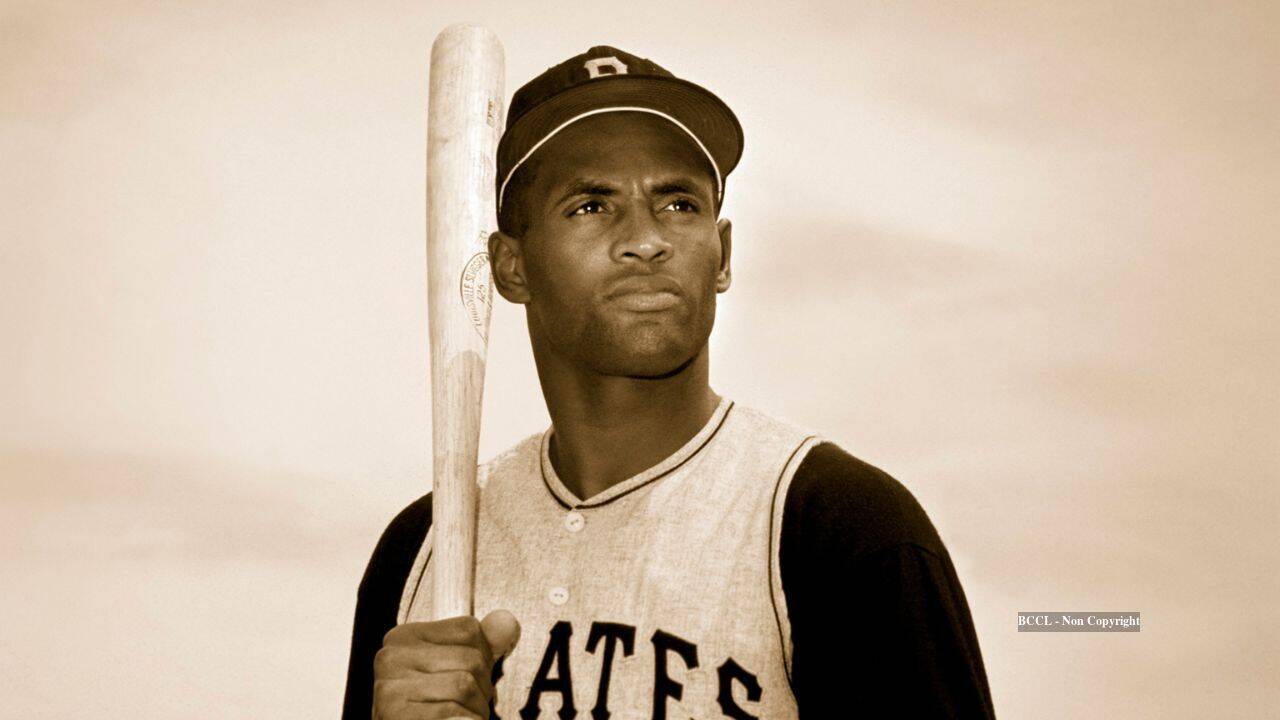
Sports media loves a simple villain. When the U.S. Supreme Court declined to hear the $45 million lawsuit brought by the sons of baseball legend Roberto Clemente against Puerto Rico, the headlines practically wrote themselves. Greedy government bureaucrat versus grieving heirs. State overreach versus family legacy.
It makes for great clickbait. It is also complete legal nonsense.
If you actually read the docket instead of the press releases, you realize the Clemente brothers didn't lose because the judicial system hates baseball heroes. They lost because they tried to turn a basic constitutional shield into a private ATM, and they ignored the foundational rules of intellectual property and sovereign immunity to do it.
Most sports business coverage misses the real story here. The lazy consensus says this is a tragedy about an icon’s name being exploited without compensation. The reality is far more interesting—and serves as a brutal wake-up call for every athlete, estate manager, and brand licensing executive operating today.
The $45 Million Fantasy Built on Sovereign Immunity Blindness
Let’s look at the actual mechanics of the dispute. In 2022, Puerto Rico’s government passed legislation to issue commemorative license plates honoring the 50th anniversary of Roberto Clemente’s 3,000th hit, charging drivers an extra fee to fund a sports complex and the Roberto Clemente Sports City. Roberto Clemente Jr. and Luis Clemente sued, claiming the territory violated their trademark rights and right of publicity, demanding $45 million in damages.
Here is the problem. You cannot just sue a government entity for cash damages because you dislike how they memorialize a public figure.
Under the Eleventh Amendment and long-standing federal precedent, states and territories like Puerto Rico enjoy sovereign immunity. That means they are shielded from private lawsuits for monetary damages unless they explicitly waive that immunity or Congress validly overrides it.
The First Circuit Court of Appeals didn't even have to break a sweat throwing this case out. And the Supreme Court declining to grant certiorari wasn't a shocking betrayal; it was a routine refusal to entertain a settled area of law.
I have sat in boardrooms watching sports agencies and family estates burn seven figures on litigation strategies that ignore basic jurisdictional firewalls. They get drunk on the perceived moral high ground of their client's brand value and forget that constitutional law doesn't care about batting averages or humanitarian awards.
The Fatal Flaw in Modern Estate Licensing
Why do celebrity estates keep stepping on these rakes? Because the modern Name, Image, and Likeness (NIL) boom has warped everyone's sense of ownership.
When an athlete is alive, their right of publicity is a sharp sword. Once they pass away, that right transforms into a murky patchwork of state-by-state statutory rules, tax liabilities, and public domain friction.
- Trademarks are not absolute monopolies. Holding a trademark on "Roberto Clemente" for apparel or charity events does not give an estate veto power over every civic tribute, historical reference, or government-issued plate.
- Commercial exploitation requires a commercial nexus. A specialty license plate authorized by a legislature to fund youth sports infrastructure sits miles away from a shoe company slapping a face on a sneaker box to pad shareholder dividends.
- The Streisand Effect in estate management. By demanding $45 million from a cash-strapped territory trying to fund sports facilities bearing their own father's name, the heirs turned a public relations layup into a multi-year legal stalemate that yielded zero dollars.
Let's be clear about the downside of the court's hands-off approach, because intellectual honesty demands it. Sovereign immunity does create a dangerous loophole. In 2020, the Supreme Court ruled in Allen v. Cooper that states cannot be sued for copyright infringement either. That means a state government can technically pirate a photographer's work or slap a protected logo on state merchandise, and the creator's only remedy is an injunction to stop future use—not a dime in past damages.
That is a massive flaw in American IP law. If you are an independent creator or a small family trust, a state entity can steamroll your copyrights and hide behind the Eleventh Amendment.
But the Clemente case wasn't a rogue state printing bootleg jerseys to enrich politicians. It was a legislative tribute tied to public athletic infrastructure. Conflating the two does a disservice to genuine IP reform.
Answering the Questions Sports Media Won't Ask
When news of the Supreme Court rejection broke, fans immediately started searching for how this affects other athlete estates and whether Puerto Rico actually owns Roberto Clemente's name. Those questions start from a broken premise.
Does Puerto Rico own the rights to Roberto Clemente?
No. Neither does the Clemente family—at least not in the way people think. Nobody owns a human being's historical legacy. In the United States, post-mortem right of publicity laws vary wildly. States like California and Tennessee grant robust, decades-long protections to heirs. Other jurisdictions offer minimal post-mortem control, especially when the use touches on public interest, news, or civic commemoration. Puerto Rico didn't steal a deed to Clemente's identity; it exercised its sovereign authority to issue official vehicle registration tags.
Could the Clemente brothers have won if they sued for less money?
The dollar amount wasn't the poison pill; the demand for any retrospective monetary damages against the government was. Under the doctrine established in Ex parte Young, you can sue state officials in their official capacity to stop an ongoing violation of federal law—meaning you can ask a judge to force them to stop printing the plates. What you cannot do is force the public treasury to write you a check for past plates already on the road. Had the estate focused strictly on injunctive relief or negotiated a co-branded licensing agreement before the plates hit the DMV, they might have shaped the program. Instead, they swung for a $45 million home run and struck out looking.
Does this mean any state can put Michael Jordan or Kobe Bryant on a license plate for free?
If a state legislature passes a law creating a specialty plate, sovereign immunity shields that state from a federal damages lawsuit under the Lanham Act or Copyright Act. However, states rarely do this without permission because the political blowback is toxic. Legislators hate picking fights with beloved living icons or sympathetic widows. The only reason this went to the Supreme Court is because the parties failed to find a political off-ramp before the lawyers took over.
What Smart Estates Do Instead of Suing
If you manage an athlete's brand, a musician's catalog, or a family trust, stop viewing the courts as your primary revenue engine. Litigation is a margin-killer. Even when you win, you lose years of momentum and goodwill.
Imagine a scenario where the Clemente estate approached the Puerto Rican legislature the moment the bill was drafted. Instead of threatening a federal lawsuit over trademark dilution, they offer an official estate seal of approval, exclusive archival photography for the plate design, and joint promotional appearances—in exchange for a board seat overseeing how the sports complex funds are distributed and a modest administrative royalty routed directly to their own foundation.
Everyone wins. The territory gets authentic family backing. Drivers buy more plates. The youth sports facilities get funded. And millions of dollars stay out of the pockets of appellate litigators.
Compare that to the scorched-earth approach we see across modern sports business:
- Audit your jurisdiction before you threaten. Know which states recognize post-mortem publicity rights and which ones treat your client's likeness as fair game for civic tributes.
- Separate pride from profit. Civic honors—street namings, statues, commemorative stamps, specialty plates—drive long-term brand relevance. Every time a car drives through San Juan with a Clemente plate, a new generation asks who he was. That organic awareness sells far more licensed merchandise than a courtroom victory ever could.
- Use injunctive leverage early. If a government agency genuinely crosses the line into commercial merchandising, file for an immediate injunction before production starts. Once the product is in the wild, sovereign immunity locks the vault on damages.
The Real Lesson of the Supreme Court Docket
The highest court in the land gets thousands of petitions every term and hears fewer than eighty. When they pass on a high-profile sports IP battle, they are sending a clear signal to the market: the rules of engagement are already written, and the justices aren't going to rewrite constitutional immunity just because a famous name is attached to the brief.
Roberto Clemente died in a plane crash delivering aid to earthquake victims in Nicaragua. His legacy is untouchable, forged on the diamond in Pittsburgh and cemented in humanitarian sacrifice. It doesn't need a $45 million federal judgment to validate its worth, and it certainly wasn't diminished by a license plate.
Stop treating every unauthorized tribute like a hostile corporate takeover, and start learning where trademark law ends and the Constitution begins.