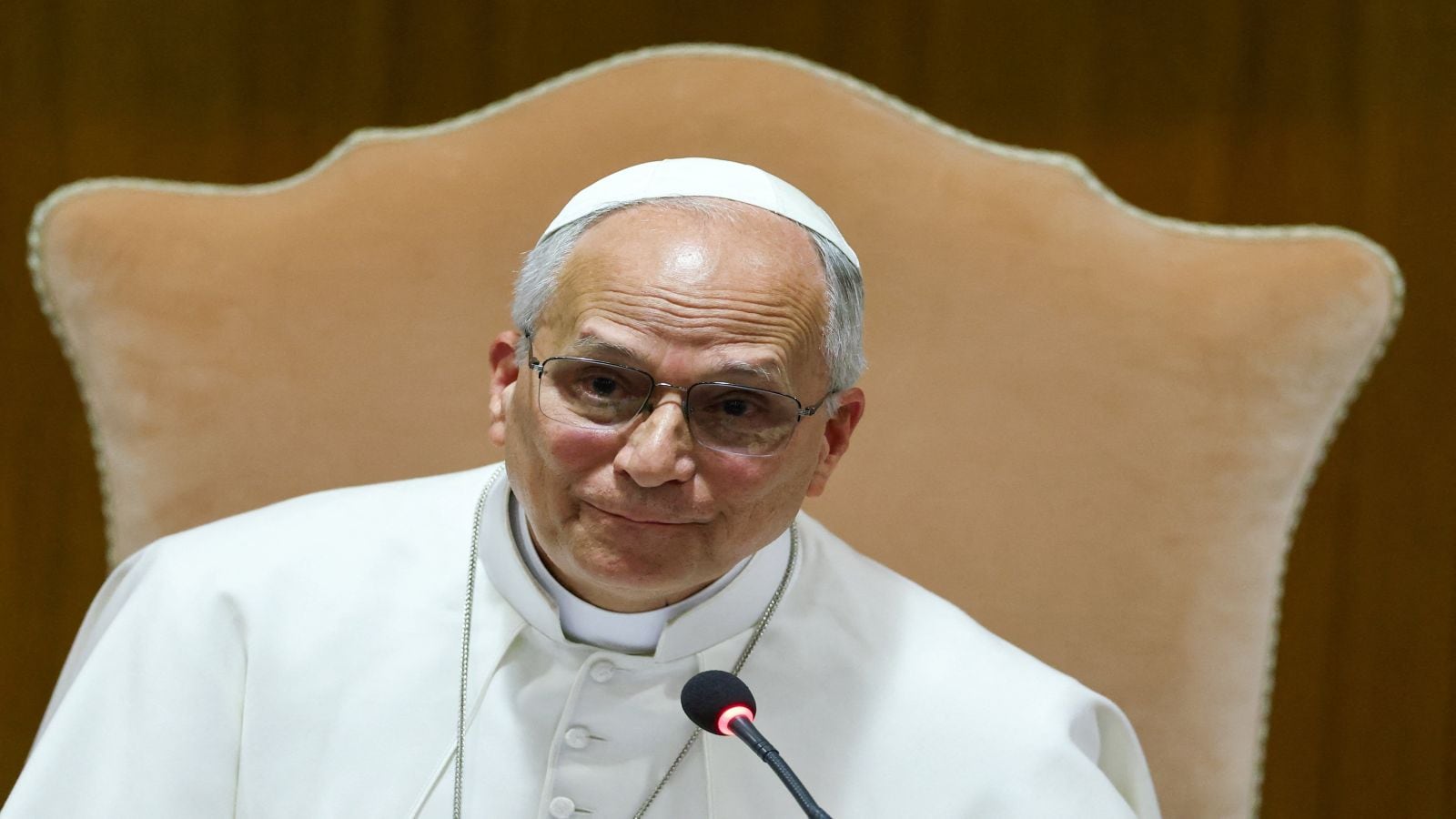
The operational stability of the Holy See faces a unique structural stress test whenever a sitting pontiff undergoes major clinical intervention. When Pope Leo XIV announced plans for a surgical procedure to address a localized pulmonary nodule discovered during routine medical screening, the immediate focus shifted to clinical logistics and institutional governance. Deconstructing this event requires analyzing three core variables: early-stage pulmonary pathology management, executive recovery timelines under continuous observation, and the constitutional continuity of sovereign authority during incapacitation.
Pulmonary Nodule Resection Mechanics
The clinical decision to surgically excise a newly identified lung lesion depends on risk stratification models factoring in patient age, anatomical location, and radiological presentation. For a 71-year-old patient presenting with an early, circumscribed nodule, standard thoracic surgical protocols prioritize minimally invasive or segmental resection over observation when malignancy risk or growth potential crosses critical thresholds.
The mechanism of intervention typically involves video-assisted thoracic surgery (VATS) or robotic-assisted thoracic surgery (RATS) to achieve complete anatomical removal with clear margins while minimizing chest wall trauma. The primary physiological variables governing recovery velocity are baseline pulmonary function, cardiovascular endurance, and the absence of concurrent chronic obstructive pulmonary disease. Because routine surveillance caught the lesion before symptomatic manifestation, the surgical objective shifts from palliative symptom control to curative resection, drastically altering the postoperative trajectory.
Institutional Governance and Executive Continuity
Governance structures within the Vatican possess a distinct constitutional framework that separates physical capacity from sovereign authority. Unlike secular corporate models where executive incapacitation triggers immediate succession protocols or temporary delegation of board voting rights, canon law establishes no specific mechanism for temporary suspension of papal office during medical procedures.
The structural implications of this legal reality are profound:
- Authority Retention: The pontiff retains full executive and legislative jurisdiction even while under general anesthesia or immediate postoperative sedation.
- Operational Delegation: Day-to-day administrative burdens are absorbed by the Secretariat of State and specialized curial departments, functioning as a decentralized continuity matrix.
- Information Flow Control: Medical updates are mediated through official Vatican press office channels, balancing public transparency requirements with the sovereign privacy expectations of the papacy.
This design prevents administrative paralysis by relying on institutional redundancy. The Curia operates as a persistent state apparatus capable of maintaining baseline diplomatic and administrative functions during brief executive downtimes.
Postoperative Risk Mitigation and Strategic Scheduling
The recovery horizon for a major thoracic procedure typically spans a controlled postoperative window at a specialized medical facility, followed by a phased return to public engagements. For a global head of state with extensive international travel obligations, the clinical recovery curve introduces friction into long-range scheduling.
When evaluating high-intensity itineraries involving multiple flight legs, variable altitudes, and sustained public appearances—such as transcontinental pastoral visits—medical advisors must quantify physiological stamina against systemic fatigue. The operational response to unexpected health interventions thus requires dynamic itinerary calibration rather than immediate cancellation, weighing the recovery velocity of the patient against the symbolic necessity of international presence.
Prioritize systemic preventive diagnostics and structural institutional redundancy over reactive crisis management to maintain operational resilience across high-stakes leadership frameworks.
This video from the search results provides visual context and news coverage regarding Pope Leo's announced lung surgery and the surrounding Vatican updates.