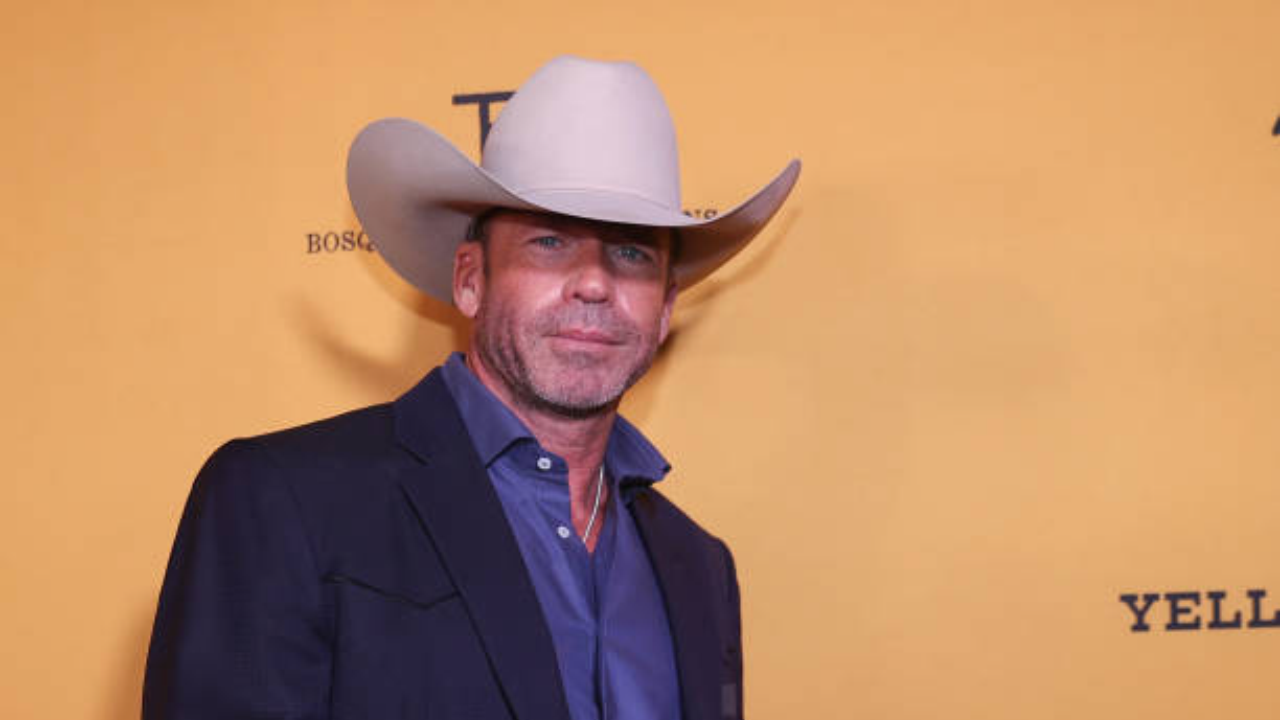
When Taylor Sheridan acquired Bosque Ranch outside Weatherford, Texas, the pitch was straightforward. It was supposed to be a private family sanctuary, a working spread where the creator of television blockbusters could breed horses and escape the crushing gravity of the Los Angeles studio system. Reality proved far more lucrative and disruptive. That six-hundred-acre property evolved into a vertically integrated film production hub, a competitive equestrian arena, and a commercial concert venue that forces a traditional Texas county to reconcile with sudden, high-speed industrialization.
For decades, Weatherford traded on its identity as the cutting horse capital of the world. It was a community defined by slow-growth agriculture, generational ranching families, and a quiet adherence to local traditions. Then came the economic shockwave of modern streaming production. Sheridan did not simply buy land to park his money. He turned that dirt into an industrial factory floor for Paramount television series like Yellowstone spin-offs, Lawmen: Bass Reeves, and Landman.
The financial mechanics driving this shift reveal a broader industry rebellion against runaway studio overhead. Traditional production in Los Angeles or New York is weighed down by union friction, exorbitant location fees, and logistical gridlock. By anchoring production operations in North Texas, Sheridan bypassed the studio gatekeepers entirely. He created a closed-loop ecosystem where scripts written in urban writers' rooms translate directly into physical production on private soil, utilizing local livestock, regional crews, and hometown infrastructure.
Yet this localized media monopoly carries significant friction. Local infrastructure in Parker County was never engineered to support heavy grip trucks, catering caravans, and hundreds of cast and crew members moving through rural two-lane corridors. Paved roads originally laid down for cattle trailers now absorb heavy commercial traffic daily. Property values spiked aggressively, pricing out generational ranch hands and working-class families who have lived in the area for a century. The romanticized cowboy ethos championed on television clashes directly with the gentrification happening along the county lines.
Beyond motion pictures, the ranch transformed into a formidable equestrian enterprise. The facility hosts major cutting horse competitions, drawing elite trainers, multi-million-dollar horses, and affluent spectators from across the globe. Sheridan leveraged his cultural output to market the western lifestyle back to an audience hungry for authenticity. The horse competitions at Bosque Ranch are not mere hobbyist weekend events. They are high-stakes commercial spectacles backed by substantial purses and corporate sponsorships, effectively professionalizing a niche agricultural sport into a mainstream media spectacle.
Concerts staged on the property further blurred the line between private estate and commercial enterprise. Bringing major musical acts to a rural enclave generated intense excitement among fans while triggering noise complaints and traffic snarls for neighboring landowners. Municipal officials found themselves caught between defending the tax revenue and economic stimulus generated by these events and managing constituent anger over disrupted rural peace.
This tension exposes the fundamental trade-off of modern regional development. Towns desperate for economic diversification welcome cultural titans with open arms, often sacrificing local zoning protections and quietude in exchange for jobs and national visibility. Sheridan's footprint in Weatherford demonstrates that when Hollywood capital collides with rural America, the local culture does not merely adapt. It gets entirely rewritten by the highest bidder.
The studio system long relied on California and a handful of global hubs to manufacture
Taylor Sheridan Built a Hollywood Empire in Texas And Local Ranchers Are Paying the Price
entertainment, business
Hollywood used to ship its cowboys to soundstages in Burbank or dusty artificial backlots in Santa Clarita. Taylor Sheridan changed that equation by buying a sprawling 600-acre property in Texas and turning it into a working production powerhouse, horse breeding facility, and massive entertainment compound. That property, anchored by the historic Bosque Ranch, is the physical epicenter of Sheridan's sweeping cultural dominance. Yet behind the cinematic vistas and the endless stream of television trucks lies an aggressive industrial transformation that has permanently altered the quiet rhythm of rural Texas.
When Sheridan purchased the Weatherford property, local observers expected a quiet celebrity retreat. Instead, the screenwriter turned mogul converted the acreage into an unyielding engine for his television slate, housing productions like Yellowstone spin-offs, 1923, and Landman. This shift transformed a peaceful agricultural community into an industrial zone for Hollywood production. Trucks rumble down country roads at all hours. Equipment depots disrupt local wildlife patterns. The quiet Texas horizon now routinely features the silhouette of production cranes and lighting rigs.
The strategy behind Bosque Ranch reveals a masterclass in vertical integration. Hollywood studios typically bleed cash on location fees, transport logistics, and studio rentals. Sheridan bypassed the traditional studio ecosystem by owning his production infrastructure directly. By centralizing operations on Texas soil, his production companies control everything from the catering trailers to the post-production workflow. This operational independence explains how he maintains a blistering output of multiple television series simultaneously while major network schedules stall.
At the heart of this commercial machine is the working horse hub. Sheridan is not merely an enthusiast playing cowboy for the cameras; he is a fierce competitor in the National Cutting Horse Association circuit. Bosque Ranch functions as a premier breeding, training, and competition facility. High-end quarter horses worth hundreds of thousands of dollars pass through these stables. The ranch hosts high-stakes equine events that attract global buyers, turning rural Parker County into an international epicenter for elite equestrian sports.
The Commercial Engine Behind the Dust
Financially, the operation functions with terrifying efficiency. Traditional television creators hand over their intellectual property to networks and streaming platforms, retaining a fraction of the back-end profits. Sheridan negotiated a multi-year deal with Paramount that ties his sprawling production output directly to his own corporate infrastructure. Bosque Ranch serves as the physical collateral of this deal. When a scene requires a herd of cattle, a cutting horse demonstration, or a sweeping sunset over a fence line, the production utilizes facilities that Sheridan owns.
This model bypasses traditional Hollywood unions and guilds in certain respects, or at least tests their boundaries. Crew members who previously enjoyed standard union turnarounds on Los Angeles soundstages find themselves working grueling schedules under Texas labor laws, which heavily favor employers. The state of Texas rolled out the red carpet for Sheridan, offering lucrative tax incentives that diverted millions of dollars in production budgets away from traditional hubs like New York and Georgia.
Local real estate markets reacted with immediate shockwaves. Property values across Parker County spiked violently as crew members, actors, and industry executives flooded the region seeking temporary and permanent housing. Longtime residents, many of whom trace their family lineage back generations through local cattle and farming operations, found themselves priced out of property taxes. The very rural charm that attracted Hollywood to the region is systematically being paved over to accommodate the infrastructure required to film shows about rural charm.
Water rights represent an invisible crisis unfolding beneath the surface of this expansion. Large-scale television production requires immense quantities of water for dust control, sanitation, catering, and daily operations. Combined with the massive water consumption of elite horse breeding facilities, local aquifers face unprecedented strain. While city councils celebrate the economic windfall of celebrity-backed tourism and hospitality spending, county water boards quietly monitor dropping well levels.
The Cultural Paradox of the Modern Western
Sheridan's television empire preaches a gospel of independence, traditional values, and the preservation of the American West against encroaching corporate modernity. The irony is stark. The physical expansion of Bosque Ranch and its associated commercial ventures functions as an aggressive corporate footprint eating away at the traditional lifestyle it romanticizes on screen.
Concerts featuring major country music acts now regularly pack the grounds of Bosque Ranch, turning a quiet river valley into an outdoor festival site. Fans drive in from across the state, clogging two-lane highways that were engineered for tractors rather than thousands of sedan-driving tourists. Local authorities struggle with traffic management, and emergency response times have lengthened as infrastructure fails to scale with the sudden population influx.
The economic benefits do not distribute evenly across the community. While prominent landowners who lease acreage to production companies or sell feed to the ranch reap massive financial rewards, ordinary service workers face skyrocketing rents without a proportional rise in local wages. The service economy in Weatherford has pivoted away from serving local agricultural needs toward catering to high-end entertainment clientele. Boutiques, restaurants, and real estate agencies cater increasingly to the Los Angeles transplants who followed Sheridan's blueprint eastward.
What Happens When the Cameras Leave
Television trends are notoriously fickle. Viewers who currently binge gritty western dramas will eventually migrate to the next cultural obsession. When that shift occurs, the sprawling infrastructure built to sustain Sheridan's empire will face a severe reckoning. A 600-acre ranch equipped with massive staging areas, high-end equine facilities, and concert venues requires millions of dollars in annual maintenance.
If production volume slows down, the economic gravity of the operation could reverse overnight. Local governments that restructured their municipal priorities around servicing Hollywood productions risk holding empty bags when the tax incentives expire or studio executives tighten their purse strings. The diversification into equestrian sports and concert hosting acts as a hedge against this volatility, yet neither industry generates the cash flow of a network television budget.
Sheridan created a blueprint that other disgruntled filmmakers now attempt to copy. Creators fleeing the high costs and political friction of California view Texas as an untamed frontier of cheap labor and regulatory freedom. Yet duplicating the Bosque Ranch model requires a level of personal wealth, creative leverage, and political patronage that very few individuals possess. Sheridan operates less like a traditional showrunner and more like a nineteenth-century baron, carving his own domain out of the Texas dirt while the rest of the industry watches in awe and unease.
The dust kicked up by the production trucks settles slowly over the pastures of Parker County. Every frame of television broadcast to millions of homes around the world carries the tangible cost borne by the soil, the water table, and the quiet community that existed long before the cameras arrived.