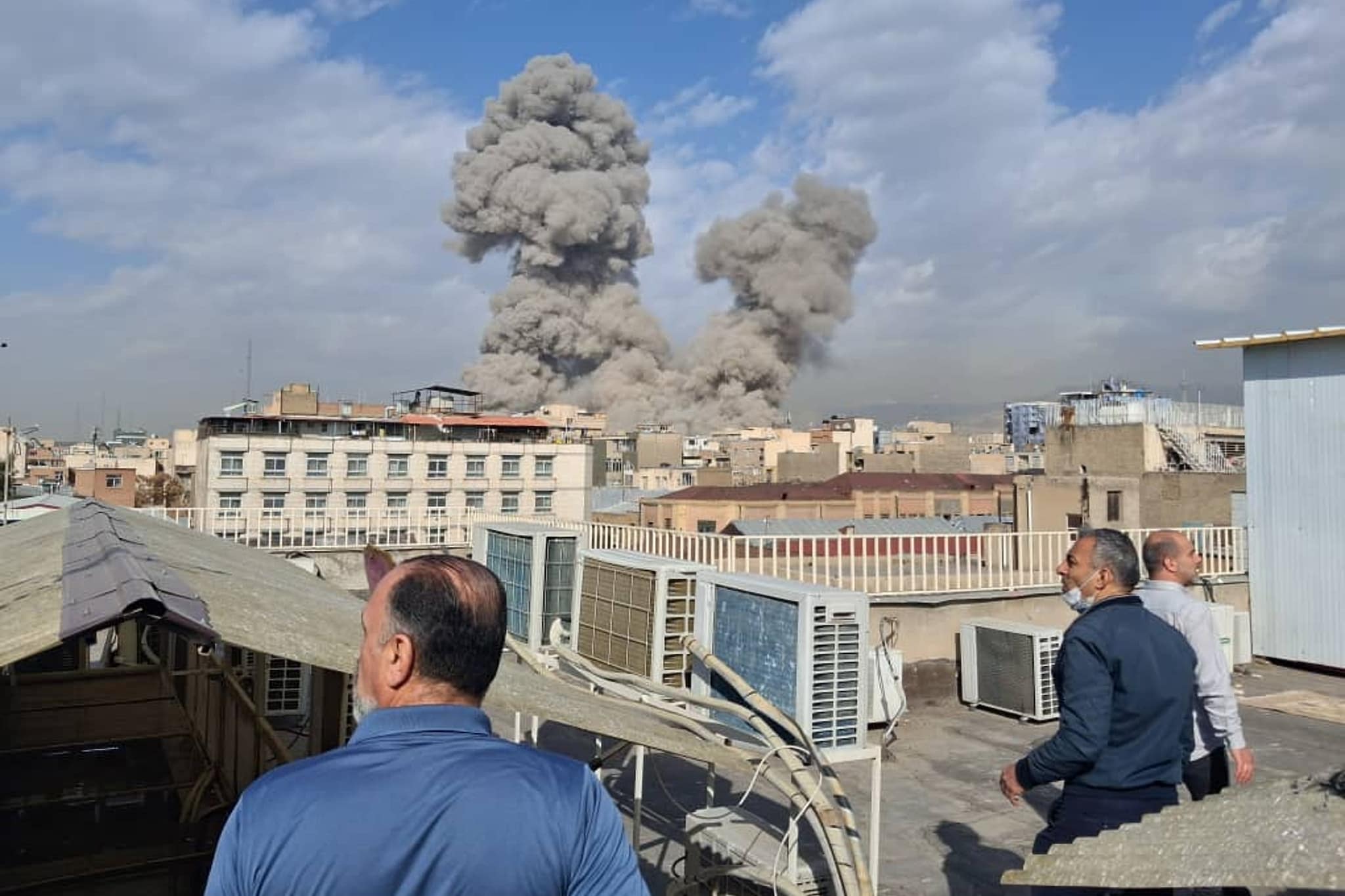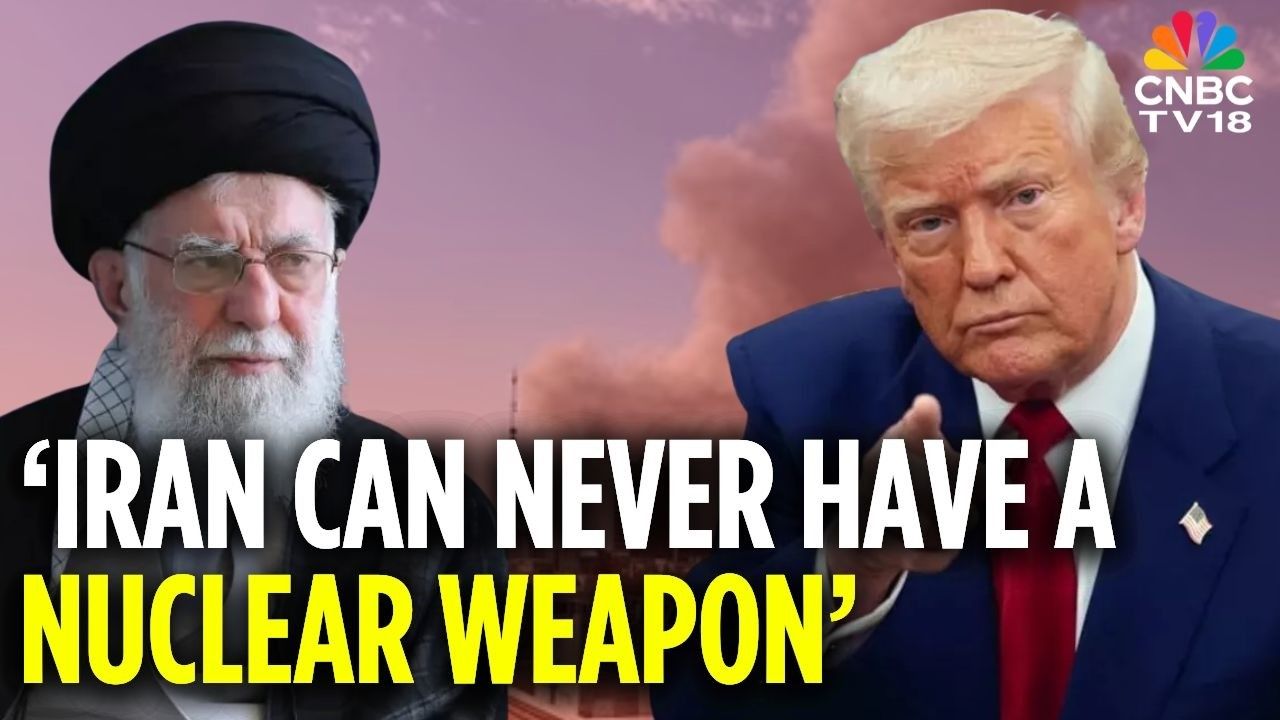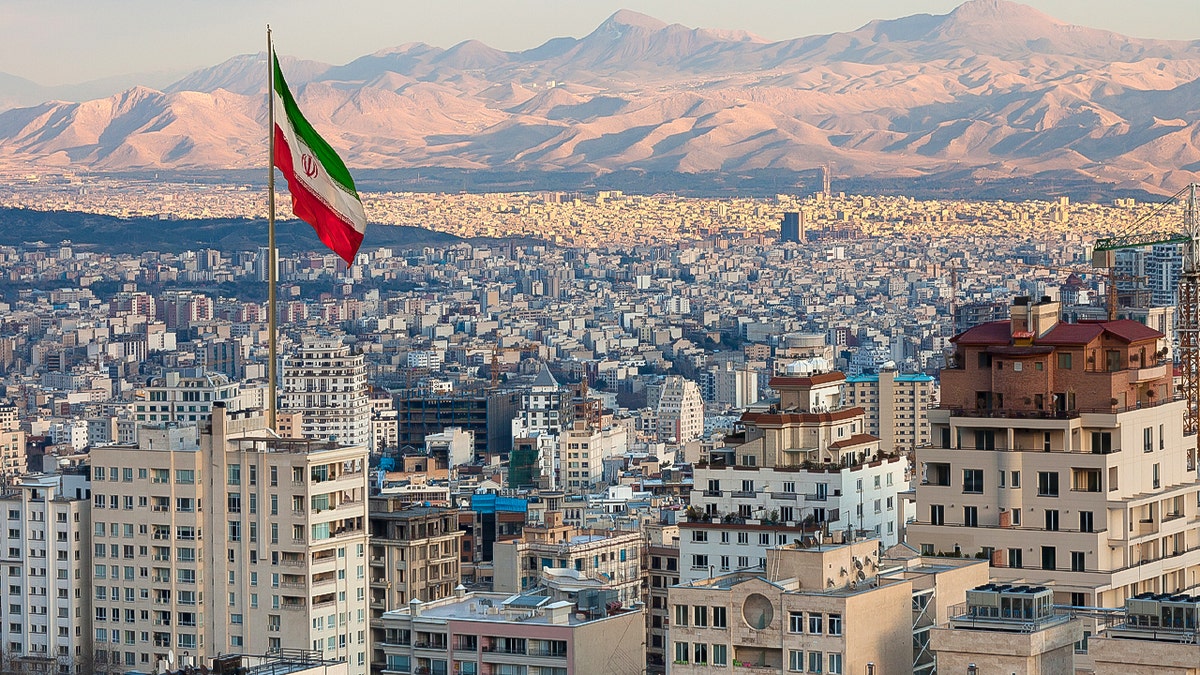
The death of Ayatollah Ali Khamenei on February 28, 2026, marks the end of an era and the beginning of a profound, high-stakes gamble for the Middle East. Joint U.S.-Israeli strikes, dubbed Operation Epic Fury and Operation Roaring Lion, successfully targeted the Pasteur district of Tehran, leveling the Supreme Leader's secure compound and killing him alongside several family members and senior advisors. This was not a mere tactical strike to delay a nuclear program. It was a calculated decapitation of the Islamic Republic’s leadership, intended to spark internal collapse and fundamentally redraw the geopolitical map.
While the initial shockwaves focus on the vacancy at the top, the reality on the ground is a sprawling, multi-front war that is already testing the limits of regional stability. Also making news lately: Finland Is Not Keeping Calm And The West Is Misreading The Silence.
The Strategy of Absolute Pressure
Washington and Jerusalem didn't just aim for the head; they went for the entire nervous system. Reports from the Pentagon and the IDF indicate that over 500 targets were hit in the opening 24 hours. The mission utilized a sophisticated mix of B-2 stealth bombers, Tomahawk missiles, and the combat debut of "Task Force Scorpion Strike"—a swarm of low-cost, one-way attack drones designed to overwhelm Iran's aging air defenses.
The objective is explicit regime change. President Donald Trump has called on the Iranian people to "rise up" and take back their country, while Prime Minister Benjamin Netanyahu has signaled that these strikes will continue "uninterrupted" until the threat is neutralized. This departs from decades of "mowing the grass" or targeted sabotage. It is a full-scale military intervention aimed at dismantling the IRGC (Islamic Revolutionary Guard Corps) and the clerical establishment in one fell swoop. More information regarding the matter are detailed by NPR.
A Leadership in Shards
The vacuum left by Khamenei is being temporarily filled by a transitional council consisting of President Masoud Pezeshkian, the judiciary chief, and a senior cleric. However, the true power in Iran has always resided in the IRGC. With the reported deaths of IRGC Ground Forces Commander General Mohammad Pakpour and other top security officials, the "deep state" in Tehran is reeling.
- The Nuclear Factor: Netanyahu confirmed that strikes specifically targeted "several leaders" and facilities linked to the nuclear program. The goal is to ensure that even if the regime survives, its most potent leverage is gone.
- The Internal Security Crackdown: The coalition also struck Basij bases and Sarallah Headquarters in Tehran. These are the units responsible for crushing domestic dissent. By targeting them, the U.S. and Israel are attempting to lower the cost of revolution for the Iranian public.
The Cost of Retaliation
Iran has not remained silent. The "ferocious" response promised by the IRGC has manifested in massive missile and drone barrages hitting Tel Aviv and U.S. bases across the Gulf.
The scope of the conflict has instantly dragged in neighboring states. Bahrain, the UAE, and Kuwait have all reported hits on their territory. The Strait of Hormuz, a chokepoint for a third of the world's maritime oil exports, is now a combat zone. Shipping insurance rates have skyrocketed, and international airlines have grounded hundreds of flights as regional airspace closes.
The human toll is mounting. While the IDF claims surgical precision, Iranian state media reports hundreds of civilian casualties, including children. This collateral damage serves as a potent propaganda tool for the regime's remnants to rally a nationalist defense, even among those who loathed Khamenei.
The Succession Crisis and the "IRGCistan" Risk
The biggest flaw in the regime-change playbook is the assumption of a "short and decisive rupture." Iran is not a monolith. It is a multi-layered ideological system with a base of support that, while shrinking, remains armed and fanatical.
If the clerical state collapses, it may not be replaced by a liberal democracy. The more likely scenario is the emergence of a military junta led by surviving IRGC hardliners—what some analysts call "IRGCistan." These elements have spent decades preparing for this exact scenario, caching weapons and establishing "stay-behind" networks.
Furthermore, the "Axis of Resistance" proxies—Hezbollah in Lebanon and the Houthis in Yemen—are currently in a state of strategic confusion. While they have offered rhetorical support, their primary benefactor is decapitated. The danger is that these groups, now unmoored from Tehran’s centralized control, may act as "loose cannons," launching independent attacks that could drag the region into a decade-long quagmire.
The Home Front and Global Fallout
In the United States, the intervention has reignited a fierce domestic debate. While the Trump administration frames this as "justice for the victims of Iranian terror," protests have erupted in major cities. Critics argue that the operation violates international law and risks an open-ended war without an exit strategy.
The economic fallout is also just beginning. With the Strait of Hormuz under threat, the global energy market is braced for a shock that could derail post-pandemic recoveries. This is the "brutal truth" of the current moment: the removal of a tyrant has been achieved, but the price of that removal is a level of uncertainty not seen in the Middle East since the 2003 invasion of Iraq.
The next few days will determine if the Islamic Republic crumbles or if it mutates into something even more volatile. The strikes are continuing. The sirens in Tel Aviv are still blaring. The world is watching to see if the gamble of "Epic Fury" delivers a new era of peace or an endless cycle of fire.
If you are an investor or a policy analyst, keep a close eye on the IRGC's ability to maintain command-and-control over the next 72 hours. That is the only metric that matters now.