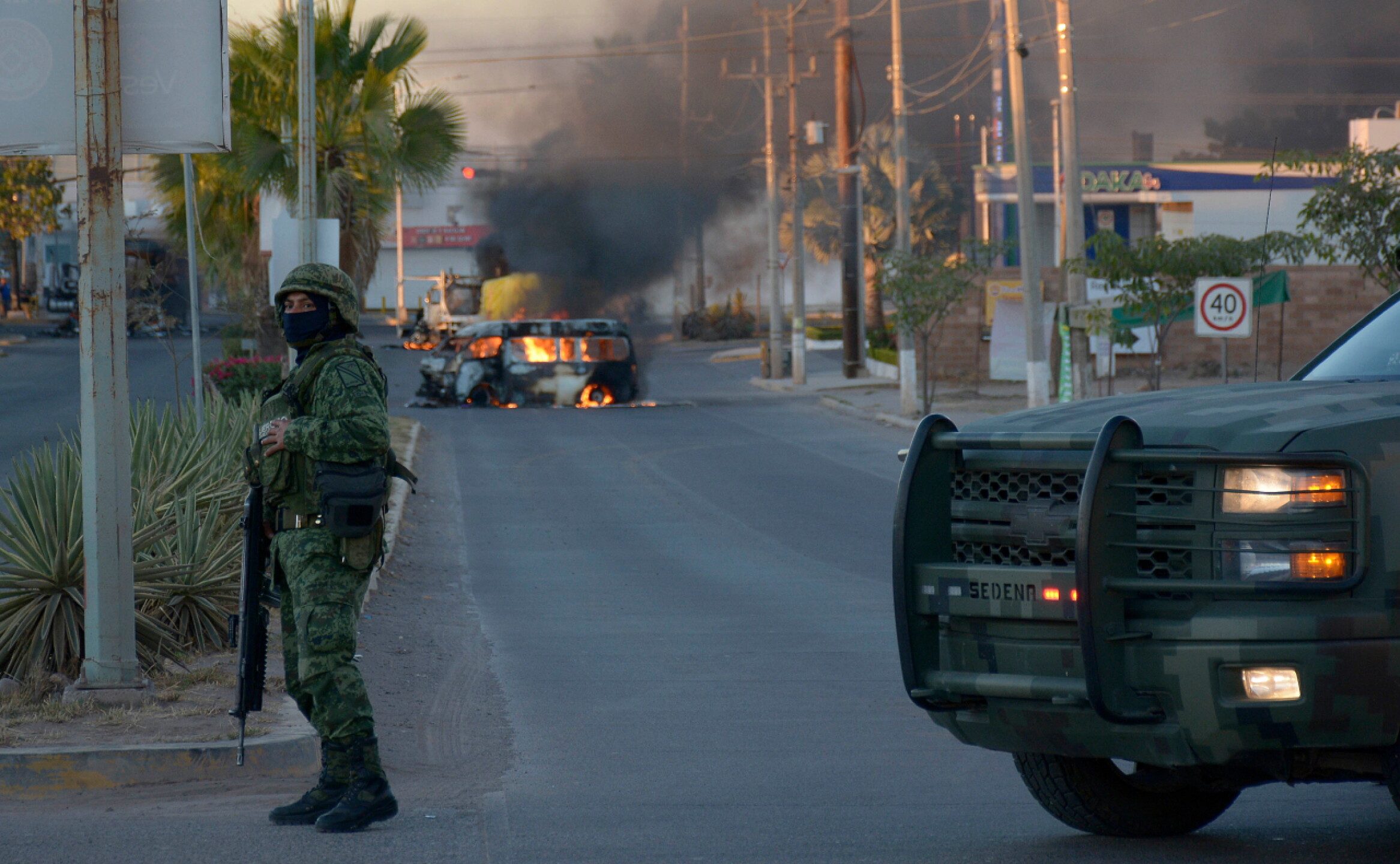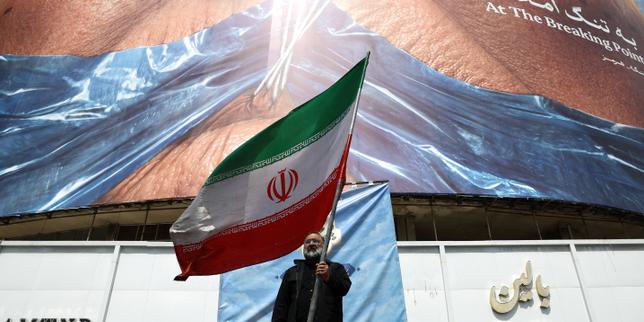
The current Iranian diplomatic posture operates on a dual-track kinetic and psychological framework designed to offload the cost of regional escalation onto the United States. By positioning the "ball in the U.S. court," Tehran is not merely making a rhetorical gesture but is executing a calculated risk-management strategy aimed at preserving its domestic infrastructure while maintaining the operational viability of its regional proxies. This stance reflects a sophisticated understanding of the American political cycle and the specific operational constraints currently facing CENTCOM.
The Bifurcated Iranian Strategy
The Iranian leadership's declaration of being "ready" for both war and diplomacy is a classic application of the "Double Bind" theory. This strategy forces an opponent to choose between two equally unpalatable options, both of which serve the initiator’s long-term goals.
The Diplomacy Track: Sanctions Mitigation and Legitimacy
The pursuit of diplomacy at this juncture serves as a defensive shield. By expressing a preference for negotiation, Tehran aims to:
- Neutralize European Escalation: By maintaining a facade of diplomatic openness, Iran makes it politically difficult for the E3 (UK, France, Germany) to trigger "snapback" sanctions under previous nuclear agreements.
- Internal Stability: A diplomatic track signal provides a psychological buffer for the Iranian domestic market, tempering currency volatility and inflation expectations that spike during periods of high kinetic tension.
- Burden Shifting: By stating the resolution lies with Washington, Iran attempts to frame any subsequent military action as a unilateral American or Israeli failure of statecraft, rather than a reaction to Iranian provocations.
The Kinetic Track: Threshold Deterrence
Simultaneously, the "readiness for war" is a signal of threshold deterrence. This is not an intention to engage in a high-intensity, conventional conflict—which Iran’s aging air defense and air force assets are ill-equipped to win—but rather a commitment to asymmetric saturation. The Iranian kinetic model relies on the mass deployment of low-cost munitions (drones and short-range ballistic missiles) to overwhelm expensive, finite interceptor stocks like the SM-3 and Patriot systems.
The Cost Function of Regional Proxies
Tehran’s strategy cannot be understood without analyzing the utility function of the "Axis of Resistance." In this framework, groups like Hezbollah and the Houthis function as externalized defense depth. The current tension demonstrates a shift in how these assets are being leveraged.
- Attritional Utility: The Houthis serve as a primary tool for economic disruption. By forcing a rerouting of global shipping, they increase the "cost of business" for the West without requiring a direct Iranian signature on the attack.
- Strategic Reservation: Hezbollah represents Iran's "Second Strike" capability. Tehran is currently hesitant to fully commit this asset because its destruction would leave the Iranian mainland vulnerable to direct Israeli strikes without the threat of a devastating retaliatory barrage from Lebanon.
- The Information Gap: A significant miscalculation in Western analysis is the assumption of total Iranian command and control. These groups operate with high degrees of local autonomy, which creates a "principal-agent" problem. Iran benefits from their actions but can claim plausible deniability when operations exceed the desired escalatory threshold.
The U.S. Intervention Bottleneck
The assertion that the "ball is in the U.S. court" targets specific vulnerabilities in American foreign policy execution. The United States is currently navigating three distinct bottlenecks that limit its ability to respond effectively to the Iranian gambit.
1. The Interceptor Deficit
Modern aerial defense is economically lopsided. A single Iranian-manufactured Shahed-136 drone may cost as little as $20,000, while the interceptors used to down them cost between $2 million and $4 million per unit. The U.S. Navy and Air Force are consuming their "deep magazine" stocks at a rate that exceeds current industrial base production capacity. This creates a finite window of operational dominance; if the conflict extends into a multi-month high-intensity exchange, the U.S. may face a critical shortage of high-end interceptors.
2. Political Polarity and the Election Cycle
With the U.S. election approaching, the administration is trapped between the need to show strength (to deter Iranian aggression) and the need to avoid a regional war that would spike global oil prices. A $10 increase in the price of a barrel of Brent crude directly correlates to a rise in U.S. gasoline prices, which historically correlates to decreased approval ratings for the incumbent party. Iran is exploiting this sensitivity to ensure that American military responses remain "proportional" and limited in scope.
3. The Israeli Strategic Divergence
While Washington and Jerusalem share the goal of neutralizing Iranian threats, their tactical timelines are diverging. Israel views the current window as a unique opportunity to degrade the Iranian nuclear program and proxy leadership permanently. Washington, conversely, views the situation through the lens of global stability and the pivot to the Indo-Pacific. Iran’s "diplomatic" overture is designed to widen this gap by providing Washington with an "off-ramp" that Israel is unlikely to take.
Mechanics of the Escalation Ladder
To quantify the current risk, we must look at the specific rungs of the escalation ladder being contested.
- Cyber and Infrastructure: This is the lowest-risk, high-reward rung. Iran and Israel are already engaged in persistent cyber warfare targeting water systems, electrical grids, and fuel distribution.
- Maritime Interdiction: This remains the most volatile sector. The ability of the IRGC to harass shipping in the Strait of Hormuz remains their most potent economic lever.
- The Nuclear Threshold: This is the ultimate "red line." Iran has significantly shortened its breakout time. By maintaining the diplomatic track, they buy the necessary weeks to finalize enrichment levels while the West debates the merits of a return to the negotiating table.
The Logistics of a "Limited" War
If the diplomatic track fails, the resulting conflict will not look like the 20th-century wars of maneuver. It will be a conflict of logistics and sensor-to-shooter loops.
The Iranian defensive doctrine is predicated on "Distributed Lethality." They have buried their command centers and missile silos deep underground and dispersed their launch platforms across a vast, mountainous geography. For the U.S. to achieve a definitive military result, it would require a sustained bombing campaign far exceeding the scope of the current strikes in Yemen or Iraq. This would necessitate a massive redeployment of assets from the European and Pacific theaters, effectively ceding strategic ground to Russia and China.
The Strategic Playbook for the Coming Quarter
The most likely outcome is not a "grand bargain" nor a total war, but a period of "violent peace." Iran will continue to modulate the frequency of proxy attacks to stay just below the threshold of a direct U.S. invasion, while using the threat of diplomacy to prevent a unified international coalition from forming.
For the United States, the only viable path to regaining the initiative involves breaking the Iranian cost-symmetry. This requires:
- Directed Energy Deployment: Accelerating the transition to laser-based defense systems to lower the cost-per-kill of incoming drones.
- Financial Asymmetry: Moving beyond traditional sanctions to target the "Shadow Fleet" of tankers that provide the IRGC with its primary revenue stream.
- Hardening the Gulf Partners: Reducing the vulnerability of Saudi and Emirati infrastructure to ensure that an Iranian "oil shock" threat loses its potency.
The Iranian "ball in the court" statement is a diagnostic tool. It reveals their recognition that they cannot win a conventional war but believe they can win a war of nerves and economic attrition. The U.S. must respond not by picking up the ball on Iran's terms, but by changing the dimensions of the court itself. This involves refusing the false binary of "war or diplomacy" and instead implementing a systematic degradation of the financial and technical networks that allow the Iranian regime to project power without consequence.