The media is currently hyperventilating over a "breakthrough" in the Middle East. They see Donald Trump applying his signature "maximum pressure" and they see an Iranian regime allegedly "reviewing proposals" with trembling hands. They think they are watching a masterclass in deal-making. They are actually watching a masterclass in survival—and it isn't Washington doing the surviving.
The prevailing narrative suggests that Tehran is cornered, desperate for sanctions relief, and ready to trade its regional influence for a seat at the global economic table. This is a fundamental misreading of the Persian geopolitical playbook. If you think Iran is coming to the table because they’ve finally been "broken," you haven't been paying attention to the last forty years of brinkmanship.
The Myth of the "Pressure-to-Pivot" Pipeline
Mainstream analysts love the idea that economic pain leads to diplomatic gain. It's a clean, linear logic that fits well in a fifteen-minute news segment. But in the reality of the Islamic Republic’s power structure, economic suffering isn't a bug; for the hardliners, it’s a feature of "Resistance Economy."
When the U.S. squeezes, the IRGC (Islamic Revolutionary Guard Corps) doesn't weaken. It consolidates. By monopolizing the black markets and the "gray" trade routes necessitated by sanctions, the security apparatus actually increases its domestic leverage. They don't want a deal that opens the country to Western liberal influence and transparent banking. They want a deal that gives them just enough breathing room to fund their proxies while keeping the population under a thumb of perpetual crisis.
Trump’s mistake—and the mistake of every analyst currently cheering this "review process"—is the belief that the Iranian leadership values GDP growth over ideological survival.
Tehran’s Strategic Patience vs. Washington’s Election Cycles
Washington operates on a four-year clock. Tehran operates on a four-decade horizon. This mismatch in temporal perception is why the U.S. consistently loses the long game.
The "proposal" currently under review isn't a white flag. It is a time-buying mechanism. By signaling openness to a deal, Iran accomplishes three things:
- They freeze further escalatory measures from the U.S. in the short term.
- They drive a wedge between the U.S. and its more cautious European allies.
- They create a "hope vacuum" that keeps domestic unrest at bay by promising better days that never quite arrive.
I’ve watched diplomats waste years chasing these mirages. They mistake tactical flexibility for strategic change. If the Supreme Leader allows a handshake, it’s only because he’s already figured out how to keep his fingers crossed behind his back.
The Proxy Problem No One Wants to Solve
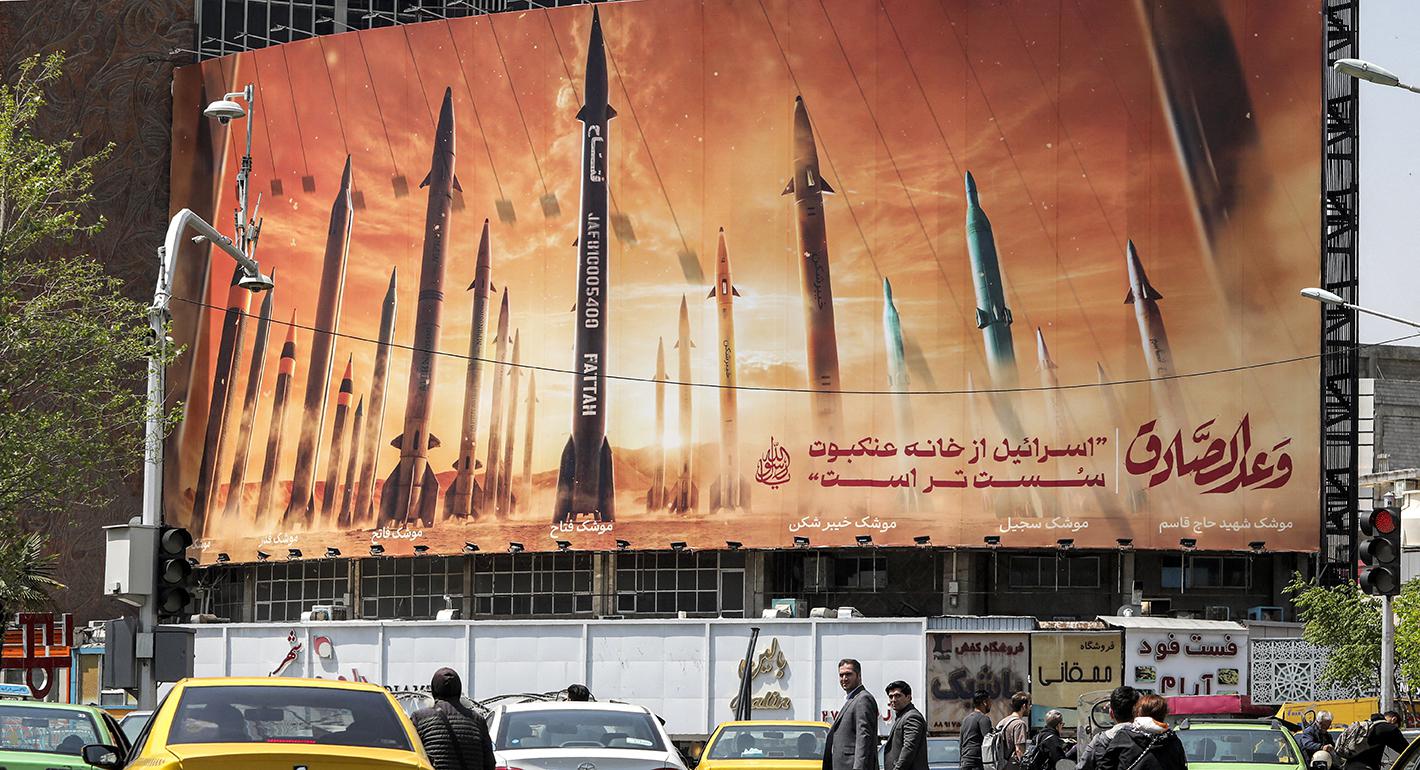
A deal focused purely on nuclear enrichment is a failure by design. The "competitor" articles you’ve read focus on centrifuges and uranium purity levels. Those are the distractions. The real war is being fought with precision-guided munitions in Lebanon, drones in Yemen, and militias in Iraq.
Any agreement that ignores the regional "Land Bridge" is nothing more than a subsidized ceasefire for the IRGC. If Trump secures a "nuclear deal" but leaves the proxy network intact, he has effectively paid Iran to stay in the fight. You cannot "end the war" by signing a piece of paper in Vienna while the rockets are still being manufactured in Isfahan.
The Fatal Flaw in "Maximum Pressure"
The logic of maximum pressure assumes there is a "breaking point" where the regime decides that survival is only possible through surrender. This ignores the "Martyrdom Complex" embedded in the state's founding identity. When you back a cornered animal into a dead end, it doesn't offer you a business partnership; it bites.
We are seeing the limits of the dollar as a weapon of war. Iran has spent years diversifying its "evasion architecture." They have built deep, resilient ties with Beijing and Moscow—partners who have zero interest in seeing a U.S.-led diplomatic victory in the region. Every barrel of "clandestine" oil sold to China is a middle finger to the U.S. Treasury Department.
The U.S. proposal likely demands "total cessation" of certain activities. Iran’s counter-proposal will be a linguistic masterpiece of ambiguity. They will offer "transparency" without "access." They will offer "suspension" without "dismantlement."
Why a "Quick Deal" is a Bad Deal
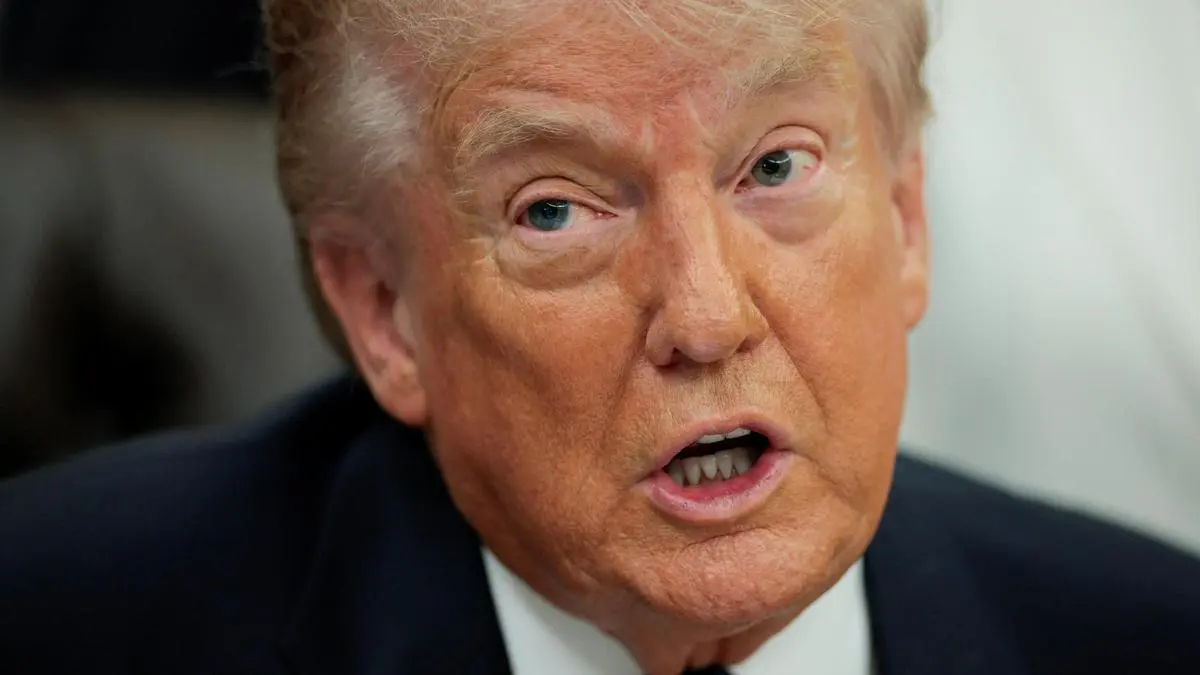
Trump is a man obsessed with the "Big Win." He wants the photo op. He wants the Nobel. Tehran knows this. They are the world’s most skilled rug-merchants, and they see a customer who is desperate to close the sale before his own political clock runs out.
In any negotiation, the party that wants the deal more is the party that loses. Right now, Washington wants the "win" of ending the war more than Tehran wants the "win" of joining the international community. That power imbalance is why the resulting agreement will be a hollow shell.
Imagine a scenario where a deal is signed tomorrow. Sanctions are lifted. Billions in frozen assets flow back to Tehran. History shows us exactly where that money goes. It doesn't go to the starving middle class in Shiraz; it goes to the ballistic missile program and the Quds Force. We would be literally financing the next decade of regional instability in exchange for a temporary pause in uranium enrichment—a pause that can be reversed in a matter of months.
The Brutal Reality of Regional Hegemony
The conflict between the U.S. and Iran isn't a misunderstanding that can be cleared up over a well-worded document. It is a fundamental clash of visions for the Middle East. One side wants a stable, oil-flowing, pro-Western status quo. The other side wants the total expulsion of Western influence and the export of its revolution.
You cannot negotiate a "middle ground" between those two positions. You can only manage the tension.
The media calls this a "peace process." It’s actually a re-arming period. While the "review" happens, the IRGC is refining its drone tech and hardening its underground facilities. They are using the diplomatic theater as a shield against kinetic action.
Stop Asking if a Deal is Possible
The real question isn't whether Trump can get a deal. He can. He can get any deal he’s willing to pay for. The question is whether the deal makes the world safer or just makes the 24-hour news cycle more exciting.
If we want to actually disrupt the Iranian threat, we have to stop falling for the "proposal" bait-and-switch. We have to stop treating the nuclear issue as a standalone problem divorced from the regional reality.
True leverage doesn't come from a signature on a page. It comes from the systemic, quiet dismantling of the IRGC’s economic empire and the decoupling of the Iranian people's aspirations from their rulers' obsessions. A deal right now would do the exact opposite: it would validate the regime's tactics and provide the very resources they need to crush internal dissent.
The "US proposal" is a trap dressed in the finery of a diplomatic breakthrough. If Trump walks into it, he isn't "solving" the Middle East; he’s subsidizing its next explosion.
Stop celebrating the "review." Start watching the centrifuges—and the shipments to Hezbollah. That’s where the truth is hidden. Everything else is just noise.
Don’t sign the deal. Walk away. The only thing worse than no deal is a deal that funds your enemy’s next move.