The tea in the Foreign, Commonwealth & Development Office usually goes cold before anyone has a chance to drink it. In the high-ceilinged rooms of King Charles Street, the silence is heavy. It is the kind of silence that only exists when people are waiting for a fuse to finish burning.
Weeks ago, a digital packet of data traveled from the British Embassy in Tel Aviv to London. It wasn't a casual update or a routine briefing on trade. It was a warning. The UK Ambassador to Israel, Simon Walters, had looked at the chess pieces moving across the desert and saw the endgame. He told London that an Israeli attack on Iran was no longer a matter of "if" or "maybe."
It was highly likely.
To understand the weight of that sentence, you have to stop thinking about maps and start thinking about the people holding the pens. When an ambassador sends a cable of this magnitude, they aren't just reporting news. They are putting their reputation on the line. They are telling their superiors to prepare for a fire that might not be contained. Walters saw the frantic shuttling of officials, the hardening of rhetoric, and the tactical shifts that suggest a nation has stopped weighing its options and started choosing its targets.
The ghost in the machine
Diplomacy often feels like a theater performance where the actors forgot to invite the audience. While the public goes about its day—buying groceries, arguing about football, worrying about the rent—a small group of people in windowless rooms decides the trajectory of the next decade.
Imagine a desk officer in London receiving that cable. They see the "Highly Likely" classification. Their heart rate spikes. They know that this single piece of paper (or more accurately, this encrypted file) means that every plan for regional stability just evaporated. The ambassador wasn't guessing. He was watching the mobilization of intent.
There is a specific kind of dread that comes with knowing the future before it happens. It is the feeling of watching a car slide on black ice. You can see the impact coming. You can calculate the damage. But you are miles away, watching through a telescope, unable to grab the steering wheel.
The invisible clock
The timeline matters because it reveals the gap between what we are told and what is known. For weeks, the official line remained one of "urging restraint" and "seeking de-escalation." These are the comfortable words of the podium. They are designed to keep the markets calm and the public quiet.
Behind the curtain, the British government was already staring at the wreckage of those hopes.
If the ambassador knew weeks ago, then the meetings in Downing Street weren't about prevention. They were about positioning. They were about figuring out how to manage the fallout of an explosion they knew was coming. It changes the way we look at the "shuttle diplomacy" of the last month. Every flight taken by a cabinet minister, every sternly worded press release, was a performance given in the shadow of a certainty.
The human cost of a "Highly Likely" world
When we talk about "attacks on Iran" or "Israeli strikes," we use the language of a board game. We talk about "assets," "capabilities," and "strategic depth."
We forget the sound of a siren in a crowded city. We forget the person in Tehran or Tel Aviv who is just trying to get through a Tuesday.
The ambassador’s warning wasn't about abstract geopolitics. It was a warning about the sudden, violent disruption of millions of lives. When a strike happens, it isn't just a military objective that is hit. It is the collective psyche of a region. It is the supply chain that brings medicine to a clinic. It is the stability of a global economy that is already vibrating with tension.
Consider the hypothetical case of a logistics manager in the Port of London. They don't read diplomatic cables. They don't have a security clearance. But because of that warning sent weeks ago, their world is about to change. Oil prices fluctuate on the mere whisper of conflict. Shipping lanes become gauntlets. The "highly likely" event in a distant desert becomes a higher energy bill in a suburban semi-detached home.
Everything is connected. The cable from Tel Aviv is the first pebble in a landslide.
The burden of the messenger
Simon Walters is an experienced hand. He knows that in the world of intelligence and diplomacy, being right is often just as dangerous as being wrong. If you warn of an attack and it doesn't happen, you are called an alarmist. If you warn of an attack and it does happen, you are asked why you didn't stop it.
His report suggested that the Israeli government felt it had no other choice. This is the most terrifying part of the narrative. It suggests a momentum that has surpassed the power of words. When a nation decides its survival is at stake, the polite requests of an ally across the ocean carry very little weight.
The UK government found itself in a paradoxical position. They were the confidants of a friend who was about to start a fight they didn't want. They had the information, but they lacked the leverage.
Why the silence?
You might wonder why this information is only surfacing now. Why wasn't the public warned?
Transparency is the enemy of the diplomat. If the UK had gone public with the ambassador’s assessment weeks ago, it might have forced Israel's hand sooner, or it might have completely severed the relationship between the two intelligence services. Diplomacy relies on the ability to keep secrets. It is a system built on "plausible deniability."
But there is a cost to this secrecy. It creates a vacuum where trust used to be. When the public finds out that the government knew a major conflict was imminent while still talking about "peace processes," the cynicism grows deeper. People start to realize that the news they consume is often just the echo of a conversation that ended weeks prior.
The echo in the halls
Walking through Whitehall today, the air feels different. There is a frenetic energy masked by traditional British reserve. The "highly likely" has become the "present reality."
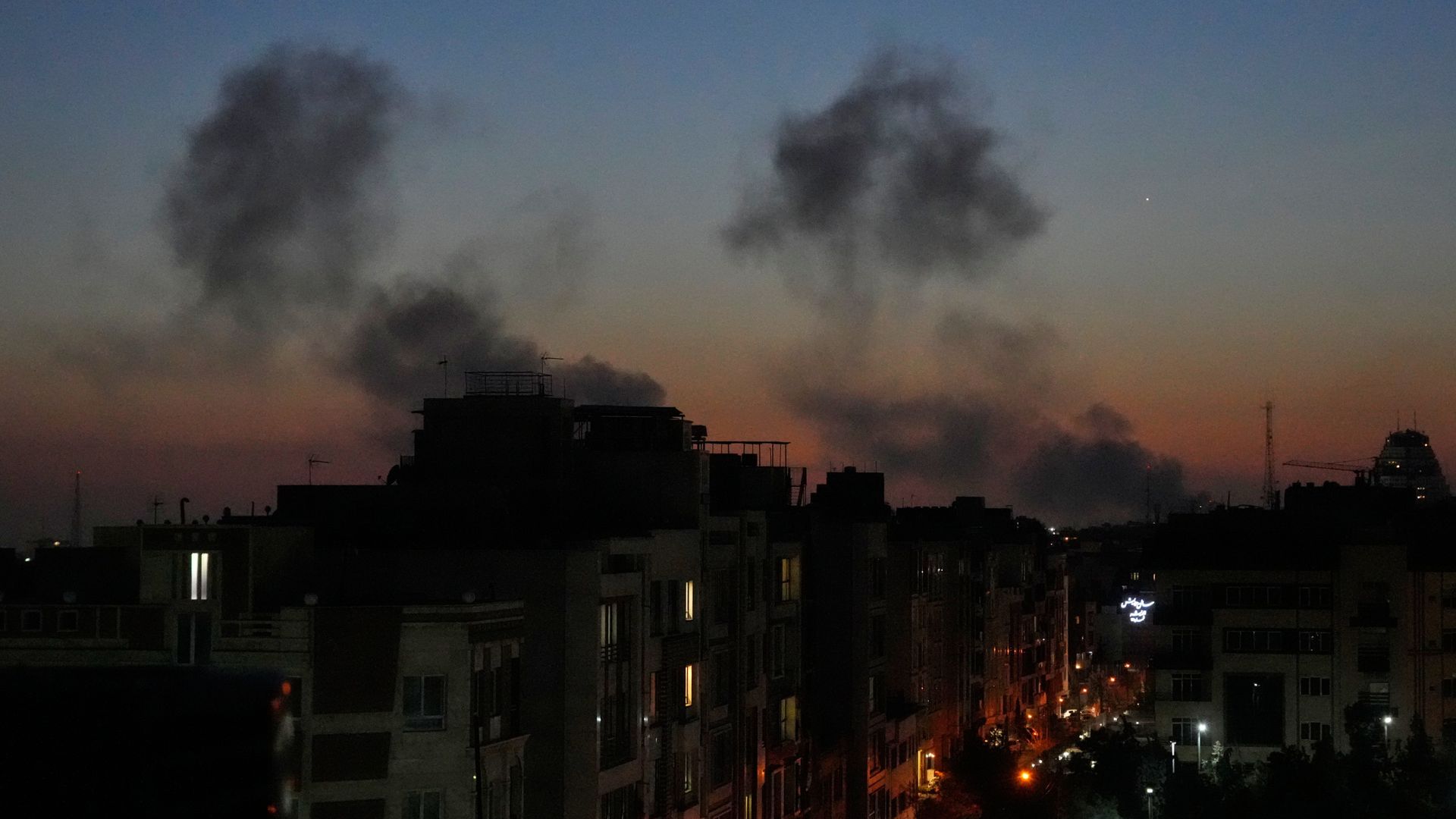
The cables being sent back and forth now are no longer about warnings. They are about damage control. They are about the evacuations of citizens, the protection of trade routes, and the desperate attempt to prevent a regional war from becoming something even larger.
The ambassador’s warning was a gift of time that the government couldn't quite figure out how to use. Having the map doesn't help much if you’re already trapped in the maze.
We live in a world governed by these hidden signals. We are the passengers on a ship where the officers have seen the iceberg on the radar long before the hull hits the ice. We feel the shudder, we hear the metal groan, and only then are we told that the collision was, in fact, highly likely.
The tea in the Foreign Office is still cold. The screens are still glowing with the latest feeds from the Middle East. And somewhere in a secure basement, a printer is spitting out the next warning that we won't hear about for another month.
The sun sets over the Thames, casting long, sharp shadows across the stone faces of the buildings where these decisions are made. In the end, the most powerful thing in the world isn't a missile or a jet. It is a few lines of text sent across a wire, telling the truth to people who aren't quite ready to hear it.
The fuse has burned down. The silence is over.