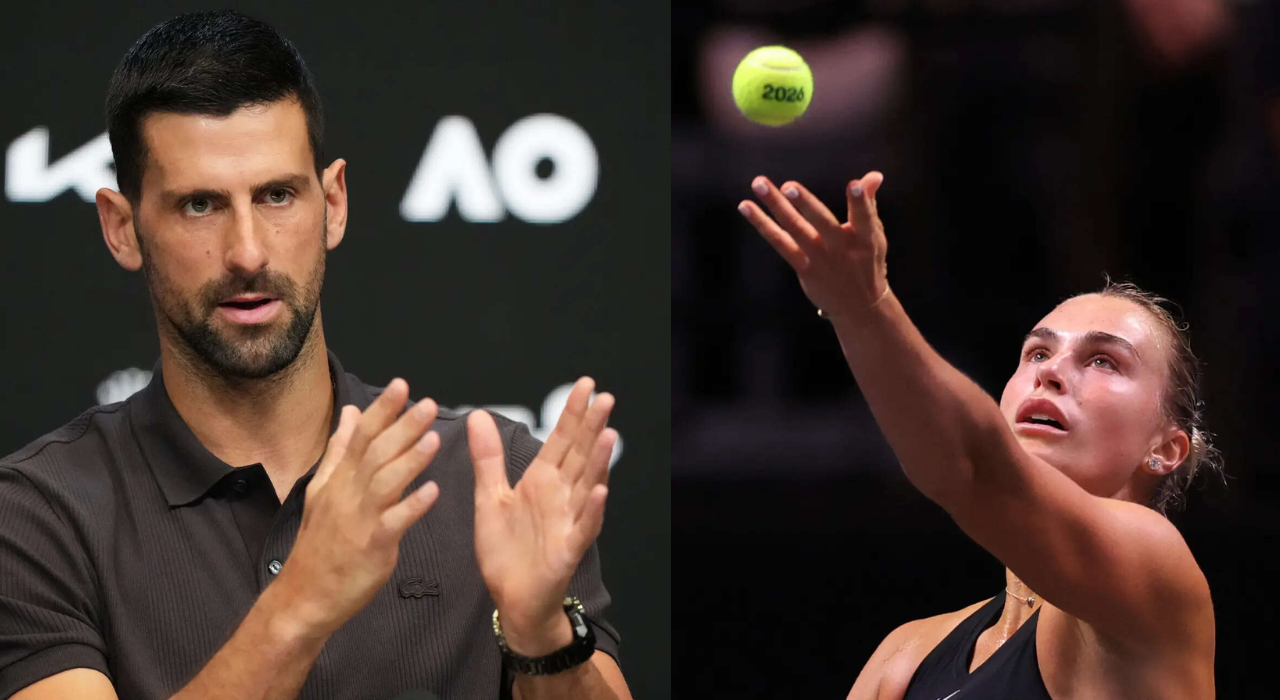
Tennis players are tired of being treated like hired help at their own party. As the 2026 French Open approaches, the red clay of Roland Garros isn't just a surface—it's a battleground for a financial civil war. World No. 1 Aryna Sabalenka recently dropped a bombshell in Rome, suggesting that a boycott isn't just a scary word anymore; it’s a legitimate tool. She’s not alone. A group of 20 heavy hitters, including Jannik Sinner and Iga Świątek, have signed onto a statement expressing "deep disappointment" with how the French Tennis Federation (FFT) handles the books.
You might see the headline and think a €61.7 million total prize pool sounds like a lot of money. It is. But that's exactly where the organizers want you to stop looking. When you peel back the curtain, the numbers show a sport that's growing richer while the people actually hitting the balls are getting a smaller slice of the pie.
The Shrinking Piece of a Growing Pie
The FFT is touting a 9.5% increase in prize money for 2026. On paper, that looks like progress. In reality, it’s a rounding error compared to the tournament's skyrocketing revenue. The players aren't just asking for more cash because they're greedy; they're pointing out a math problem that doesn't add up for them.
- The Revenue Gap: Roland Garros is expected to pull in over €400 million this year.
- The Percentage Problem: Players claim their share of that revenue has actually dropped from 15.5% in 2024 to a projected 14.9% in 2026.
- The Industry Standard: In other major sports leagues and even at combined ATP/WTA 1000 events, players often see closer to 22% of the revenue.
It’s a classic corporate move. Give a 10% raise when the company's profits jumped 15%, then act surprised when the staff isn't cheering. Sabalenka put it bluntly: "Without us, there wouldn't be a tournament and there wouldn't be that entertainment." She's right. People don't buy tickets to look at empty clay courts or sit in nice hospitality suites; they pay to see the best athletes on the planet sweat.
Why Djokovic and the PTPA Are Digging In
While Novak Djokovic didn't sign the most recent statement—likely because he’s already neck-deep in legal battles through the Professional Tennis Players Association (PTPA)—his fingerprints are all over this movement. He’s spent years arguing that tennis is structurally broken.
The PTPA’s stance is that this isn't just about the winners' checks. While the €2.8 million for the singles champions grabs the headlines, the real struggle is for the players ranked 100th and below. The French Open did bump first-round loser pay to €87,000, which helps cover the massive costs of coaches, travel, and physios, but it doesn't solve the "structural rot."
Players are demanding more than just a bigger check. They want:
- Direct Consultation: A seat at the table when schedules are made and balls are chosen.
- Health and Pensions: Long-term security that mirrors what you'd see in the NBA or NFL.
- Transparency: Knowing exactly where the hundreds of millions in TV rights and sponsorships are actually going.
The Boycott Threat Is a New Level of Pressure
We’ve heard "boycott talk" in tennis before, usually from lower-ranked players who don't have much to lose. This time feels different. When you have the reigning World No. 1 and multiple-time Grand Slam champions openly discussing it, the power dynamic shifts.
Iga Świątek is taking a more diplomatic route, calling for "proper communication" before the first ball is hit on May 24. But the underlying message is clear: the current model is unsustainable. Tennis is one of the few global sports where the athletes don't have a formal, unified voice in how the biggest events are run. The Grand Slams essentially operate as four independent kingdoms, and the French Open is currently the one most resistant to sharing the spoils.
What This Means for the 2026 Season
If the FFT doesn't blink, we’re looking at a summer of discontent. The players feel they’ve been polite for long enough. Last year, they sent a letter. This year, they're issuing statements and floating the idea of staying home.
If you're a fan, don't expect this to go away once the tournament starts. Even if everyone shows up and plays, the tension will be thick. Every press conference will be a chance for a player to highlight the disparity.
The immediate next steps are crucial. Watch for a response from the FFT in the coming days. If they maintain their silence or offer a "take it or leave it" stance, the PTPA might ramp up its legal pressure. For the players, the goal is simple: stop being treated as the help and start being treated as partners in a multi-billion dollar business. If that doesn't happen, the "entertainment" Sabalenka mentioned might just decide to take a vacation during the last two weeks of May.
Keep an eye on the entry lists as the May 24 start date approaches. While a full-scale boycott of the 2026 French Open is still the nuclear option, the fact that it's even being discussed by the sport's biggest stars proves that the era of players quietly accepting whatever the "majors" offer is officially over.