The Thermodynamic Driver of UK Hydrological Stress
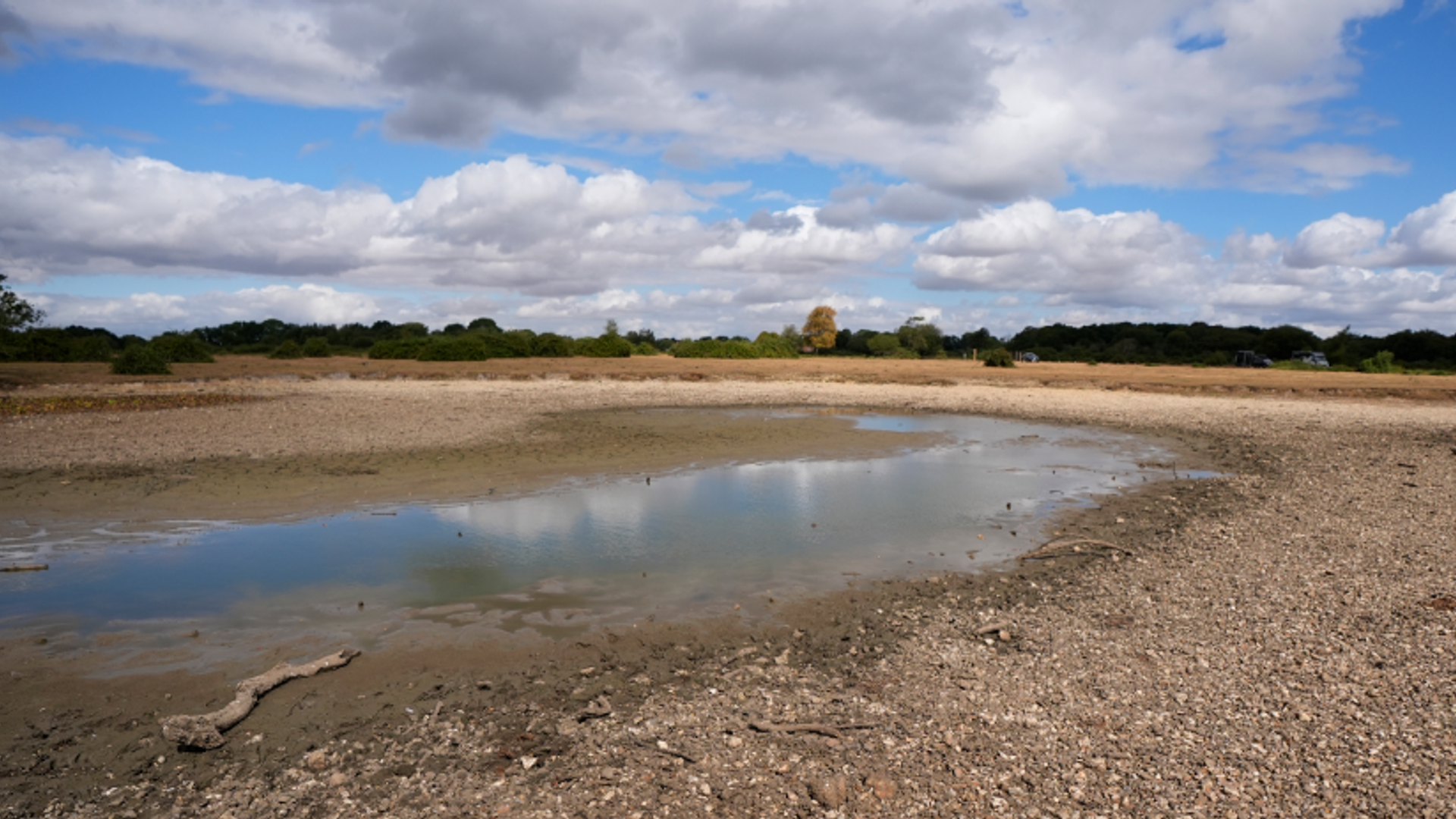
The return of elevated atmospheric temperatures across the United Kingdom triggers a predictable sequence of hydrological and agricultural strain. Surface water availability is governed by a strict atmospheric water demand function. When ambient temperatures rise alongside extended periods of anticyclonic persistence, the vapor pressure deficit between the land surface and the lower atmosphere expands rapidly. This thermodynamic gradient accelerates evapotranspiration rates across agricultural catchments and urban reservoirs alike.
Standard media reports reduce this dynamic to binary indicators of heat and lack of rainfall. A rigorous operational analysis requires decomposing the system into three distinct compounding variables: antecedent soil moisture deficit, cumulative precipitation anomalies, and municipal distribution leakage rates. Without quantifying these structural inputs, predicting regional drought vulnerability remains a speculative exercise.
Antecedent Soil Moisture Deficit as a Leading Indicator
Water resource management failure rarely stems solely from an isolated dry spell. It functions as a lagging outcome of accumulated soil moisture deficits. When spring recharge phases fail to saturate deep soil profiles, the hydrological buffer collapses months before surface reservoirs register depletion.
Topsoil desiccation alters surface runoff coefficients significantly. When high-intensity convective storms eventually penetrate a dry catchment, hardened topsoils fail to infiltrate the precipitation effectively. Instead of recharging the groundwater table, the moisture generates immediate flash runoff, carrying topsoil away while leaving underlying aquifers starved of replenishment.
The Soil-Water Balance Equation
The rate of water depletion follows a non-linear decay curve once soil moisture drops below specific critical thresholds.
- Field Capacity: The maximum amount of water a soil profile can hold against gravity. Drainage slows to negligible rates.
- Permanent Wilting Point: The soil moisture level at which plant roots can no longer extract water, halting transpiration entirely.
- Plant-Available Water: The dynamic operating window between capacity and wilting point, dictating agricultural resilience under thermal stress.
As agricultural zones transition toward the permanent wilting point during prolonged heat events, plant stomata close to conserve internal moisture. This biological shutdown curtails evaporative cooling, dumping sensible heat back into the boundary layer and intensifying local air temperatures.
Infrastructure Vulnerability and Distribution Loss Mechanics
While natural catchments absorb the initial shock of meteorological drought, municipal water networks dictate the speed at which stress translates into consumer restrictions. UK water utilities operate distribution networks heavily constrained by legacy piping assets.
Physical leakage rates account for a baseline loss of treated water before it reaches the consumer. When thermal expansion causes ground subsidence in clay-heavy soils, brittle iron and asbestos-cement mains experience structural shear stress. Pipe fractures multiply under shifting earth loads, accelerating water loss precisely when system inputs are most constrained.
[Atmospheric High Pressure]
       │
       ▼
[Elevated Vapor Pressure Deficit]
       │
       ▼
[Accelerated Evapotranspiration] ──> [Agricultural Soil Desiccation]
       │
       ▼
[Ground Subsidence in Clay Strata] ──> [Legacy Pipe Shear Fractures]
       │
       ▼
[Compromised Municipal Yield] ──> [Hosepipe Ban Threshold Triggered]
This systemic vulnerability transforms a weather event into an engineered crisis. Regulatory frameworks enforced by water authorities govern abstraction licenses, restricting how much volume companies can pull from rivers and aquifers during low-flow periods. These abstraction caps protect aquatic ecosystems from complete collapse, but they simultaneously narrow the buffer between consumer demand and available storage.
Agricultural Yield Degradation and Economic Transmission Channels
Crop yield response to thermal stress operates on crop-specific sensitivity thresholds. Winter wheat, barley, and specialty horticulture experience divergent physiological impacts when subjected to concurrent heatwaves and water rationing.
- Cereal Crops: Grain-filling duration shortens under sustained high temperatures. Kernel weight drops proportionally, depressing harvest volume even if stalk density appears normal.
- Horticulture: Root vegetables and leafy greens rely on consistent, shallow irrigation schedules. Intermittent supply restrictions or high salinity in shrinking river abstractions cause tip-burn, cracking, and unmarketable produce standards.
- Livestock Systems: Pasture productivity collapses as perennial rye-grass enters dormancy. Farmers are forced to draw down winter feed reserves months ahead of schedule, driving up operational overhead.
The economic transmission of these agricultural shocks bypasses the farm gate rapidly. Wholesale commodity pricing reacts to domestic supply contraction, while processing facilities face capacity utilization drops due to erratic raw material sizing and quality parameters.
Regional Disparities in Hydrological Resilience
The geographic distribution of UK water stress highlights a structural imbalance: the highest population densities align with the lowest per capita water availability. Southeastern England operates under baseline water stress classifications comparable to semi-arid Mediterranean zones, whereas northwestern catchments maintain a persistent structural surplus.
Inter-basin transfer schemes remain expensive and politically contentious. Moving water southward requires massive energy inputs and complex pumping architecture, creating a trade-off between carbon emissions and water security. Consequently, regional water companies must rely on local groundwater extraction and surface storage reservoirs, both of which possess finite recharge horizons.
The Catchment Response Matrix
- Permeable Chalk Aquifers: Exhibit high storage capacity with long lag times. Response to surface drought is muted over weeks but severe if multi-year recharge fails.
- Impermeable Clay Catchments: Display rapid runoff and flash responses. Surface reservoirs empty quickly under sustained evaporation demand, requiring swift demand management interventions.
- Upland Reservoirs: Reliant on direct rainfall and localized snowmelt. Vulnerable to sudden depletion during summer anticyclonic blocking patterns.
Regulatory Constraints and Systemic Reform Triggers
Current regulatory mechanisms in the UK water sector prioritize environmental flow protections over immediate consumer convenience. River flow metrics, specifically Q95 thresholds (the flow equaled or exceeded 95 percent of the time), dictate when mandatory abstraction reductions take effect.
When river flows breach these ecological baselines, industrial and agricultural users face immediate cutbacks. This legal firewall prevents permanent ecosystem damage to chalk streams and delicate aquatic habitats, but it externalizes the cost onto economic actors who lack alternative sourcing options.
Modernizing this framework requires shifting from reactive demand suppression to proactive storage augmentation and grid interconnectivity. Without capital expenditure directed toward smart metering, pressure management, and strategic pipeline integration, future thermal anomalies will routinely trigger regional emergency protocols.
Implement pressure-reduction algorithms during off-peak hours to minimize stress fractures in legacy distribution mains, while deploying dynamic pricing structures that penalize non-essential commercial consumption during peak evaporation windows.