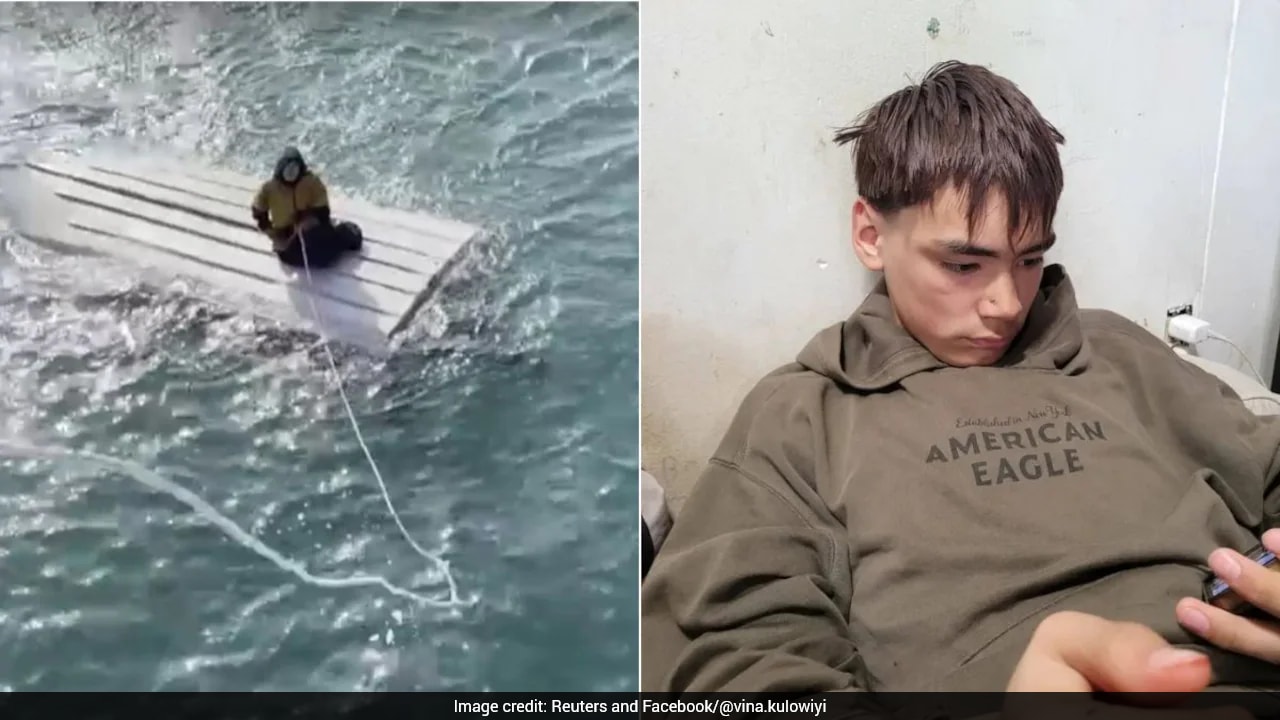
When a fifteen-year-old boy named Adrian drops out of the sky into the public consciousness after enduring sixty-two hours adrift at sea while clinging to the bodies of his deceased brother and cousin, the headlines naturally fixate on the sheer horror and macabre heartbreak of the scene. It is a narrative element that commands attention, a stark tableau of human endurance set against the indifferent expanse of the open ocean. Yet beneath the immediate shock value of a child refusing to let go of family lies a much harsher, highly technical reality about how the human body survives sixty-two hours of exposure, dehydration, saltwater immersion, and acute psychological shock.
Surviving over two days in the water is not merely a matter of stubborn will. It is a brutal biological race against time, hypothermia, and systemic organ failure.
To understand what happened in those waters, one must look past the emotional resonance of the rescue and examine the mechanics of marine survival. The human body is a fragile engine when stripped of shelter and fresh water. When a vessel capsizes or sinks, casting passengers into open water, the primary threat is almost never drowning in the traditional sense. It is thermal regulation. Water conducts heat away from the human body roughly twenty-five times faster than air of the same temperature. Even in relatively warm tropical waters, core body temperature will eventually drop, triggering uncontrollable shivering, mental confusion, apathy, and eventually cardiac arrest.
The physiological toll multiplies exponentially when sleep deprivation enters the equation. Over sixty-two hours without rest, the brain begins to misfire. Hallucinations are common. Sensory processing breaks down, transforming the slap of a wave against a makeshift float into voices, distant engines, or looming shapes. Coupled with this is the paradox of thirst. Surrounded by billions of gallons of liquid, a shipwreck survivor faces rapid dehydration. Ingesting seawater introduces high concentrations of sodium that the kidneys cannot process without drawing more water from cellular tissue, accelerating renal failure and hastening fatal delirium.
What drove Adrian to maintain his grip for nearly three days straight? Psychologists who study extreme survival scenarios point to a phenomenon known as hyper-focused duty or altruistic preservation. When all other agency is stripped away—when there is no food, no compass, and no control over the environment—the human mind can latch onto a single, immutable moral imperative. For Adrian, letting go meant accepting a finality that his brain simply refused to process. Holding on became the only remaining anchor in a world turned completely upside down.
Marine safety experts and coast guard investigators frequently analyze such incidents to update safety protocols, yet commercial shipping and small-scale fishing vessels across coastal regions frequently operate with minimal oversight regarding personal flotation devices and emergency beacons. The tragic loss of life that preceded the rescue highlights an enduring maritime hazard: small craft heading into unpredictable waters without functional satellite messengers or adequate life rafts. When a boat goes down quickly, survival depends almost entirely on what is strapped directly to the body before impact.
Emergency response times in remote marine corridors remain a glaring vulnerability. Even when distress signals are sent, coordinates can drift miles off target due to fast-moving surface currents and unpredictable wind patterns. Search and rescue operations on the open water operate on narrow margins where hours translate directly into miles of drift, turning a rescue operation into a needle-in-a-haystack sweep.
The physical aftermath for a survivor of such prolonged exposure extends far beyond the immediate hospital discharge. Trench foot, severe salt sores, electrolyte imbalances, and severe secondary infections from open wounds are standard complications. Furthermore, the psychological weight of living through an ordeal where family members perished within arm's reach introduces deep-seated trauma that requires sustained medical and therapeutic intervention.
Stories of survival capture public attention because they test the absolute boundaries of what we believe we are capable of enduring. They force an uncomfortable confrontation with our own fragility against the raw power of nature.
The rescue fades from the front pages, but the operational gaps that allowed the disaster to occur in the first place remain unaddressed along vulnerable coastlines worldwide.