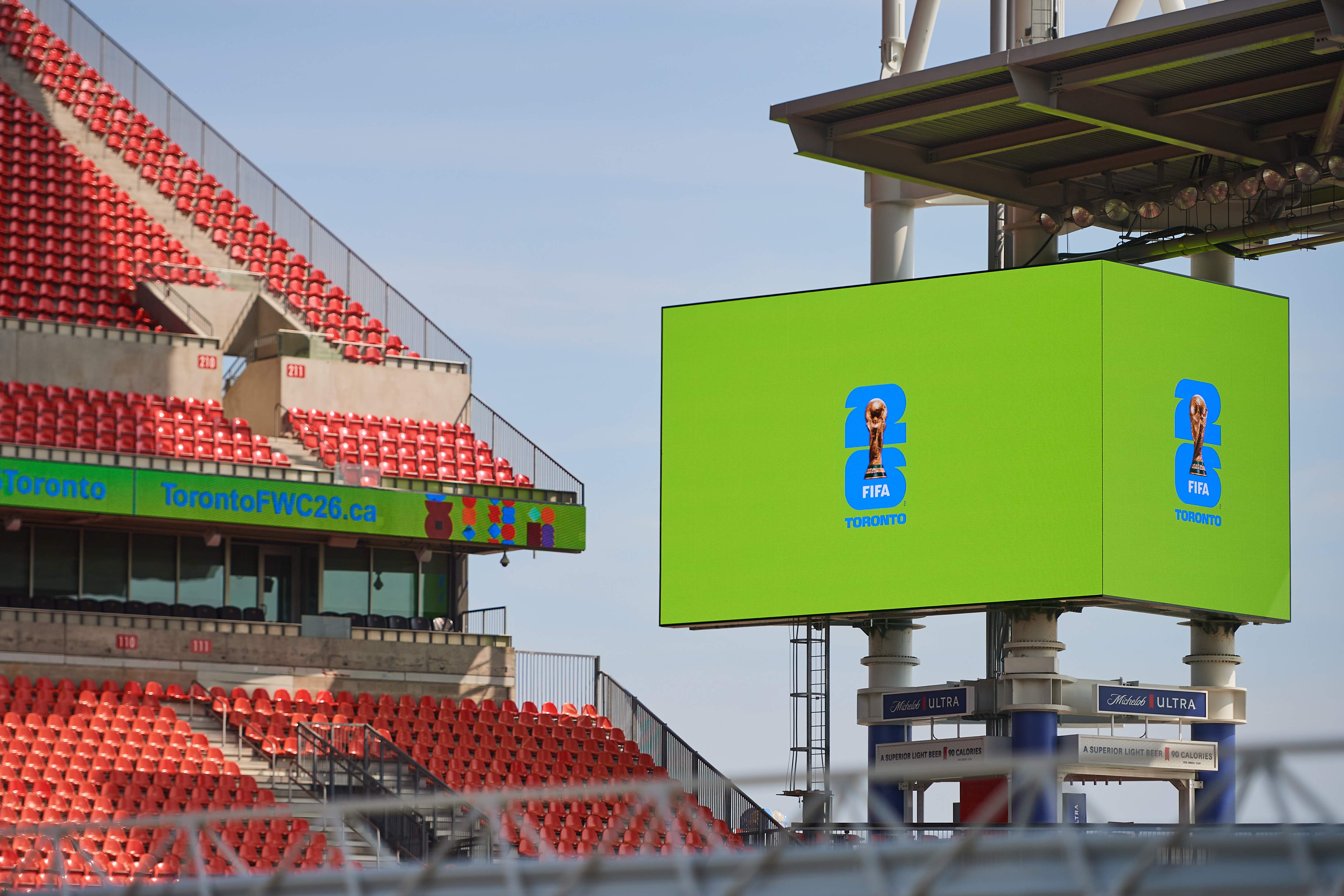
The skepticism usually starts around the same time as the morning commute on the Gardiner. You've heard the grumbling. People say Toronto can't handle a snowstorm, let alone the logistical circus of the FIFA World Cup 26. They're wrong. While the "final plans" are technically still being polished, the reality on the ground is that the city is shifting from the "if" to the "how."
Toronto is slated to host six matches, including the opening match for the Canadian Men's National Team on June 12, 2026. This isn't just a few soccer games. It's a massive infrastructure stress test that will change how the city functions for a month. If you're expecting business as usual, you haven't been paying attention to the construction zones.
The stadium transformation at BMO Field
The most obvious change is happening at Exhibition Place. BMO Field is currently a modest venue by international standards, but it’s undergoing a massive temporary expansion. To meet FIFA's requirements, the seating capacity needs to jump from roughly 30,000 to over 45,000.
This isn't just about bolting on some extra bleachers. The project involves sophisticated temporary modular seating at the north and south ends. It’s a specialized engineering feat that allows the city to scale up for the event without being stuck with a "white elephant" stadium that’s too big for TFC or the Argonauts once the world leaves.
The city is also pouring money into the fan experience areas surrounding the pitch. We’re talking about upgraded media facilities, enhanced broadcast capabilities, and better accessibility. FIFA is notorious for its rigid stadium requirements. If a blade of grass is out of place, they notice. Toronto’s pitch management team is already working on a hybrid grass surface that can withstand the intense schedule of a tournament while maintaining the elite playability stars like Alphonso Davies expect.
Moving millions without a total meltdown
Let's talk about the elephant in the room. Traffic. Toronto’s transit system is often the butt of the joke, but the World Cup is forcing a level of inter-agency cooperation we rarely see. The plan isn't just to "hope for the best." It’s built on a "transit-first" model.
The Liberty Village area is going to be a fortress. You won't be driving your SUV to the front gates. The city is planning massive pedestrian-only zones around Exhibition Place. Metrolinx and the TTC are synchronized on a level that usually only happens during a playoff run. Expect increased frequency on the Lakeshore West GO line and dedicated shuttle buses from major hubs like Union Station.
The "last mile" problem is being solved with expanded bike share programs and clearly marked walking corridors from the downtown core. If you've ever walked from Front Street to the Ex during the CNE, you know the drill. Multiply that energy by ten. The city is also looking at how to use the Ontario Line construction—which is a headache right now—to ensure it doesn't interfere with the primary fan movement corridors.
The economic gamble and the Fan Fest factor
Critics love to point at the price tag. The estimated cost for Toronto to host is north of $300 million. That's a lot of tax dollars. However, the projected economic impact is nearly $400 million in GDP for Ontario. This isn't just "trickle-down" fluff. It's real jobs in hospitality, tourism, and construction.
The heart of the tournament for most residents won't actually be inside the stadium. It’ll be at the FIFA Fan Festival. While the official location is usually a tightly guarded secret until later in the planning phase, all signs point to Nathan Phillips Square or a massive waterfront activation. Imagine 50,000 people watching a match on a screen the size of a condo building.
Local businesses in West Queen West and Liberty Village are already prepping. We’re seeing a surge in short-term rental interest and hotel blocks being scooped up. For a small bar owner, this is the equivalent of ten Super Bowls in three weeks. The city is working on special licensing to allow for outdoor viewing areas and extended patio hours. They’re basically turning the downtown core into a massive, city-wide sports bar.
Security and the invisible shield
You won't see most of the security work, and that's the point. The Toronto Police Service is coordinating with the RCMP and international security agencies. A FIFA World Cup is a Tier 1 security event. This means no-fly zones, heavy cybersecurity monitoring, and a massive increase in boots on the ground.
The challenge is balancing safety with the "vibe." Nobody wants to watch a soccer match in a police state. The strategy involves a lot of tech—AI-driven crowd monitoring and advanced screening at entry points—to keep things moving fast. The goal is to make the security presence feel like a helpful concierge service rather than an intimidating barrier.
Why this actually matters for the average Torontonian
If you don't like soccer, you’re probably wondering why you should care about the "final plans" taking shape. Here is the truth. The World Cup is a catalyst for urban improvements that would otherwise take twenty years to approve.
The beautification of the waterfront, the upgrades to public spaces, and the digital infrastructure improvements are permanent. When the final whistle blows and the trophy is hoisted, Toronto stays better. We get a better stadium, a more resilient transit plan, and a global reputation boost that keeps the city relevant for investment and talent.
Don't listen to the cynics. Toronto knows how to throw a party. We did it for the Raptors in 2019. We do it every year for TIFF. The World Cup is just a bigger stage.
How to prep right now
Don't wait until June 2026 to figure out your plan. If you live near the downtown core, start thinking about your commute. If you're a business owner, look into the official FIFA procurement portal. There are dozens of contracts for everything from catering to waste management that are still up for grabs.
For the fans, keep an eye on the official FIFA ticketing portal. Don't buy from sketchy third-party sites promising "early access." It's a scam. The official lottery is the only way in. Get your logistics sorted, buy a jersey, and get ready for the loudest month this city has ever seen.
Check the City of Toronto’s official World Cup landing page monthly for updates on road closures and volunteer opportunities. Sign up for the FIFA newsletter to get ticket drop alerts. If you want to be part of the action without a ticket, look into the volunteer program—it's the best way to see the inner workings of the biggest sporting event on earth.


