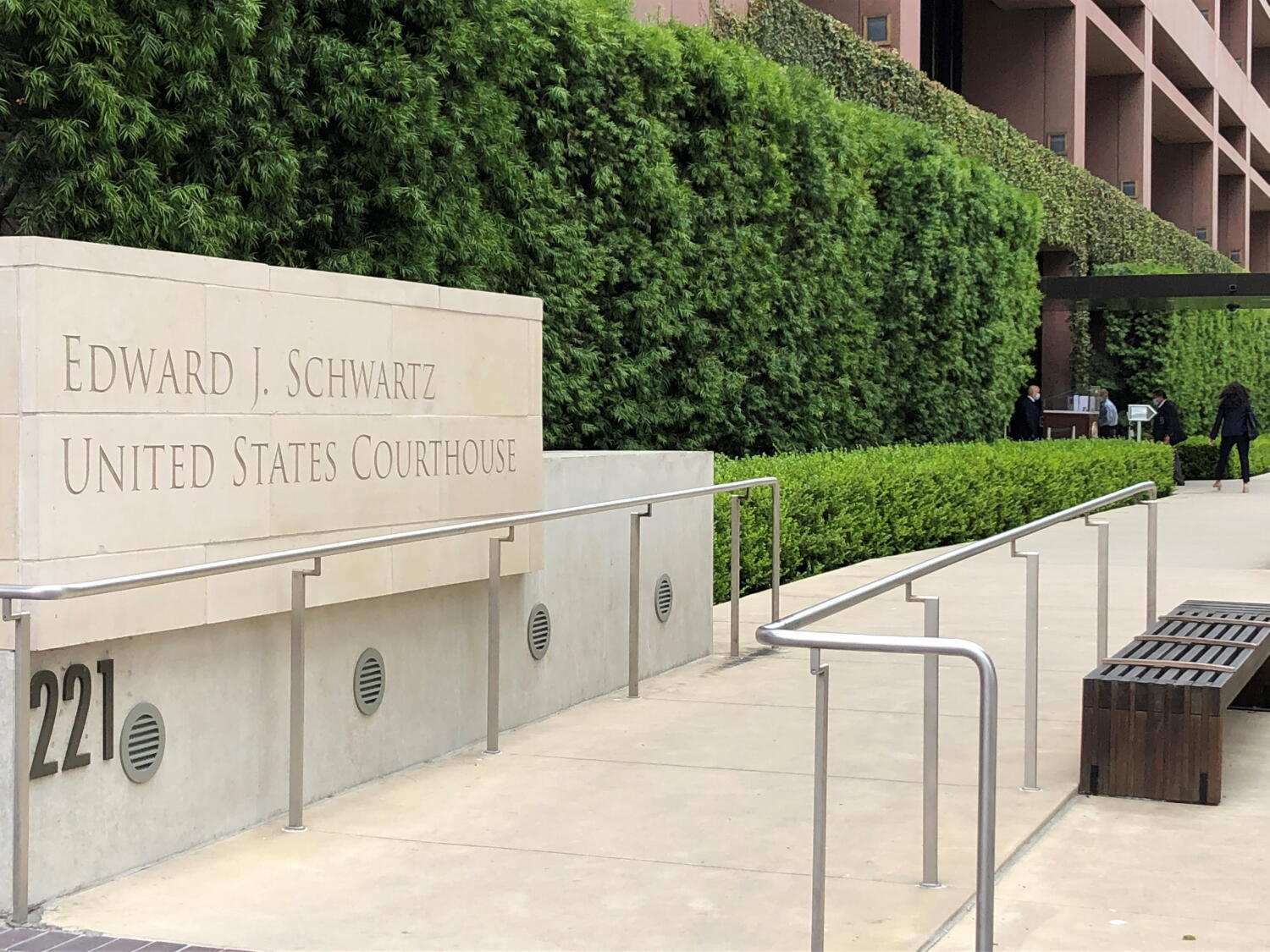
The headlines rolled in with mechanical predictability. A former acting U.S. attorney dies inside a federal building. The coroner rules it a suicide. The media apparatus spins up its usual rotation of solemn tributes, hushed tones about mental health, and quick transitions back to the daily horse race of politics and prosecution.
Everyone nods along. Everyone accepts the tidy, tragic narrative.
That lazy consensus is exactly what needs to be destroyed.
When a high-ranking federal prosecutor dies by their own hand inside a fortress of American jurisprudence, treating it merely as an isolated personal tragedy is an institutional cop-out. It lets the machinery of the Department of Justice off the hook. It ignores the crushing, toxic reality of high-stakes federal litigation where human beings are treated as disposable fuel for conviction statistics.
I have spent enough time around federal courthouses, defense bullpens, and prosecutor bullpens to know the unspoken code. The pressure cooker of the U.S. Attorney Office is not designed to foster human resilience. It is designed to extract maximum output until the gears strip.
The Myth of the Untouchable Prosecutor
We romanticize the badge. Popular culture tells us that federal prosecutors wield absolute power with cold, unyielding confidence. They stand before judges, indict cartels, dismantle white-collar empires, and walk out of the courthouse with their expensive suits unwrinkled by doubt.
Reality is much uglier.
The average assistant U.S. attorney operates under a conviction rate expectation that hovers near 95 percent. That is not a standard of justice; that is an industrial quota system. When your career, your promotion track, and your internal political capital depend on virtually never losing a case, the psychological toll is catastrophic. You do not get to make mistakes. You do not get to experience moral fatigue. You certainly do not get to admit that a case is weak without inviting professional assassination from above.
When a former acting U.S. attorney chooses to end their life in a federal facility, it forces a brutal question that the legal establishment refuses to answer: What happens when the enforcer becomes crushed by the very enforcement machine they helped build?
We treat institutional stress as a character flaw. If a prosecutor cracks under the weight of endless grand jury preps, midnight document reviews, and the suffocating politics of Main Justice, the system whispers that they simply lacked the stomach for the work. That is a lie. The work itself is often fundamentally detached from human scale.
Why the Coroner's Report is Only the First Chapter
The immediate public reaction follows a predictable script. An investigation is opened. The coroner delivers a medical conclusion. Officials release a statement expressing profound sorrow.
And then the file closes.
This is where the institutional cover-up begins, not through malice or active conspiracy, but through willful institutional amnesia. By framing high-profile suicides strictly as private mental health crises, administrative bodies avoid auditing their own toxic architectures.
Imagine a corporation where ninety-five percent of its product line must pass strict zero-defect thresholds while management constantly expands workloads and cuts support structures. When an executive collapses under that pressure, the board does not just send flowers and pretend the quarterly targets had nothing to do with it. Yet inside the federal government, the Department of Justice operates with a perverse immunity from workplace safety reality.
The brutal truth is that federal prosecutors are isolated by design. They cannot vent to friends without violating grand jury secrecy. They cannot lean on defense attorneys because they are ideological combatants. They often cannot trust their own management chain, which views vulnerability as a liability for future judicial appointments.
When you trap ambitious, high-achieving legal minds inside a high-security echo chamber with zero psychological safety valves, tragedies cease to be anomalies. They become predictable system outputs.
Dismantling the Culture of Silence
If we actually care about the human beings staffing our federal legal apparatus, we have to stop treating institutional accountability as taboo.
First, we must dismantle the myth that prosecutorial burnout is a badge of honor. Working eighty-hour weeks to indict low-level financial crimes or maintain inflated conviction statistics is not dedication; it is systemic malpractice. Leadership teams that reward self-destruction should be stripped of administrative authority.
Second, independent oversight must be injected into federal agency wellness programs. Right now, mental health resources within many federal law enforcement and prosecutorial offices are viewed with deep suspicion. Seeking help is frequently coded as a threat to security clearances or career advancement. Until confidentiality between legal professionals and mental health providers is fiercely protected from bureaucratic reprisal, internal support programs remain window dressing.
We owe the public a version of justice that does not require human sacrifice behind closed doors.
The coroner has had his say. The initial news cycle has already moved on to the next political spectacle. But the structural rot inside the halls of federal prosecution remains entirely untouched, waiting for the next tragedy to remind us of what we refuse to fix.


