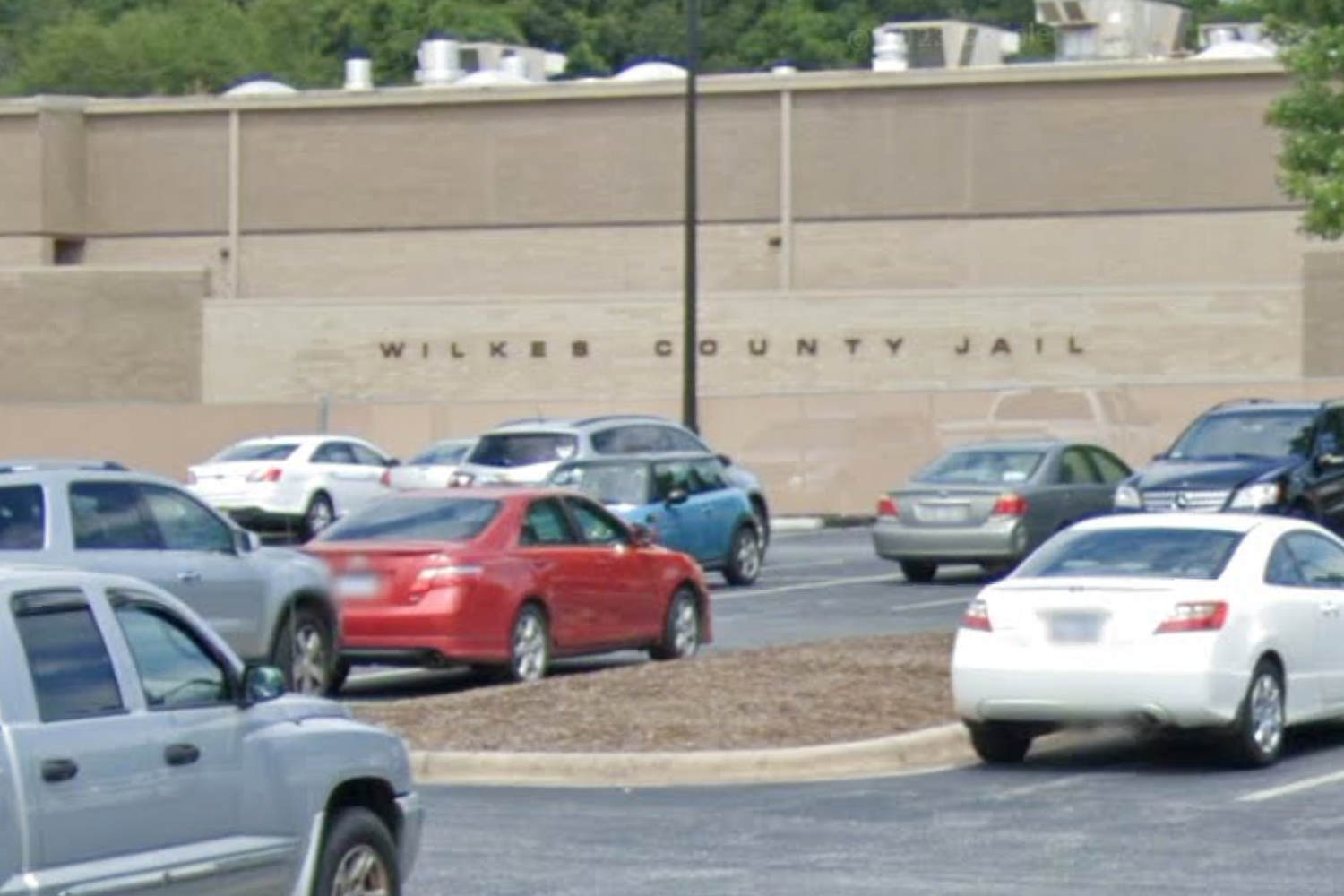
The headlines write themselves. A dedicated mail carrier in North Carolina is kidnapped and killed while walking her route. The immediate public reaction follows a predictable script: shock, mourning, standard-issue statements from the United States Postal Service expressing profound sadness, and a localized hunt for justice. The mainstream media treats these events as tragic anomalies—freak occurrences in an otherwise mundane civil service job.
They are lying to you by omission.
The lazy consensus insists that the streets are getting more dangerous and that isolated criminal acts are the primary threat to the quarter-million letter carriers walking America’s sidewalks. This perspective misses the entire structural crisis. The real danger to postal workers isn't just the sporadic violence of the streets; it is the institutional inertia of a massive bureaucracy that treats employee safety as a compliance checklist rather than an operational reality.
The Illusion of the Safe Local Route
For decades, the public has viewed the mail carrier as a fixture of community stability. This nostalgia masks a grim operational reality. Postal workers are soft targets. They operate on highly predictable schedules, carry government property, and frequently navigate high-crime areas completely solo and unarmed.
When a tragedy like the North Carolina kidnapping occurs, the immediate reaction from management is to remind workers of standard safety protocols. Be aware of your surroundings. Report suspicious activity. Use your scanner to signal for help.
This is corporate gaslighting.
I have spent years analyzing operational workflows and risk management frameworks within legacy logistics networks. Telling a carrier to "stay alert" while saddling them with algorithmic delivery quotas that force them to stare at a handheld device every thirty seconds is a contradiction. The system is designed to maximize throughput at the direct expense of situational awareness.
Mainstream Narrative: The streets are inherently unpredictable and violent.
The Reality: Postal infrastructure creates predictable targets by prioritizing rigid metrics over dynamic safety.
The Failure of the Digital Panic Button
Consider the technology provided to modern carriers. The Mobile Delivery Device (MDD) is praised by leadership as a lifeline. It has a built-in distress function.
But ask any veteran carrier how that functions in a crisis. It requires multiple keystrokes to activate a silent alarm. If someone is forcing you into a vehicle at gunpoint on a rural North Carolina road, you do not have the luxury of navigating a clunky, government-contracted user interface. The tech is designed for asset tracking, not asset protection. It exists to protect the mail and prove delivery timelines, while employee safety is retrofitted as a secondary marketing point.
Why More Policing Won't Fix Your Mailbox
The standard response from union reps and politicians after a high-profile killing is to demand increased funding for the U.S. Postal Inspection Service (USPIS) or harsher federal penalties for assaulting federal workers.
This approach is fundamentally flawed.
Harsher penalties do not act as a deterrent to desperate or opportunistic criminals who aren't checking the federal penal code before committing a crime. Furthermore, the USPIS, while elite, operates primarily as an investigative body after the fact. They excel at tracking down mail thieves and solving homicides, but post-incident excellence does not save lives on the route.
The Trade-off of True Hardening
If the USPS actually wanted to eliminate the risk of kidnapping and physical assault on routes, they would have to fundamentally dismantle the current delivery model.
- Eliminate solo routes in high-risk zones: Implementing a two-carrier buddy system for specific zip codes.
- Centralize delivery infrastructure: Phasing out door-to-door delivery entirely in favor of secured, communal cluster boxes.
- Arming carriers: A logistical and legal nightmare that would completely alter the civil nature of the postal service.
None of these solutions are palatable to a management team obsessed with cutting costs and competing with private logistics giants. A two-carrier system doubles labor costs instantly. Moving to cluster boxes triggers massive public blowback from citizens who demand their mail delivered directly to their front porch.
So, the bureaucracy chooses the cheaper option: maintain the status quo, accept the statistical probability of violence, and issue a boilerplate press release when a worker pays the ultimate price.
The Metrics That Kill
Let’s look at the data driving the daily pressure on carriers. The USPS utilizes system metrics like DOIS (Delivery Operations Information System) to project how long a route should take based on mail volume and historical averages.
[Algorithmic Quota Pressure]
       │
       ▼
[Rushed Deliveries / Distraction]
       │
       ▼
[Vulnerability to External Threats]
When a carrier is running behind these algorithmic projections, they face immediate scrutiny from supervisors. This creates an environment where carriers are actively incentivized to ignore their instincts. If a block looks sketchy or a vehicle is following them, stopping to assess the situation or waiting for assistance risks a disciplinary write-up for unauthorized stationary time.
Imagine a scenario where an employee’s performance evaluation is tied directly to how fast they move through an active crime scene. That isn't hyperbole; it is the daily operational reality for thousands of inner-city and isolated rural carriers. The pressure to perform strips away the self-preservation instincts required to survive on the street.
Dismantling the Victim Blaming Narrative
Watch the official briefings closely after any workplace tragedy. You will hear subtle, coded language designed to shift responsibility away from systemic failure.
- "She was off her scheduled line of travel."
- "The incident occurred outside of normal delivery hours."
- "Protocol was not fully established."
This is how legacy institutions insulate themselves from liability. By framing a kidnapping or murder as a failure of individual compliance rather than a failure of systemic protection, the organization avoids making the sweeping, expensive changes needed to secure their workforce.
The uncomfortable truth is that the postal service relies on the heroism and grit of its workforce to compensate for its broken infrastructure. They expect carriers to navigate stray dogs, extreme weather, and armed criminals for twenty-some dollars an hour, all while maintaining the fiction that a blue uniform serves as a magical shield against societal decay.
Stop looking at these horrific events as isolated criminal anomalies. The tragedy in North Carolina isn't just a failure of local security; it is the predictable output of a massive logistical machine that values the delivery of junk mail over the lives of the people carrying it.