Sniffing a stranger's socks inside a moving train cabin isn't standard counter-terrorism protocol anywhere on earth.
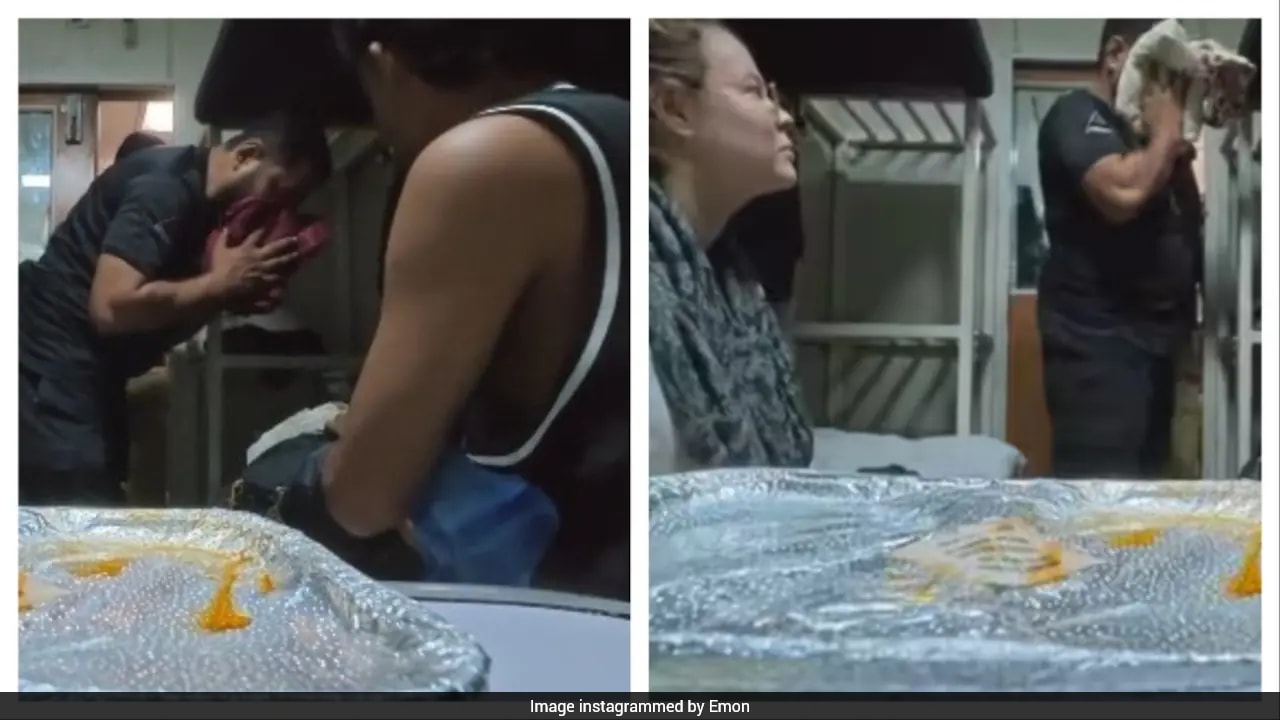
A viral clip from October 2026 showed a uniformed officer aboard Pakistan's Green Line train between Lahore and Karachi checking a foreign couple's bags and holding items like clothes, socks, and a makeup kit up to his nose. According to the travelers who shared the footage—identified in reports as a Malaysian man named Aemon and a German woman named Luisa—officials had already checked their tickets and passports and photographed their travel documents about ten minutes earlier before returning to search them and their luggage in a first-class AC cabin. When Aemon posted the video and asked whether that kind of check is normal in Pakistan, the clip blew up across social media, splitting viewers between people calling it intrusive harassment and others guessing the officer was checking for drugs.
If you're planning a trip through South Asia or wondering what happened on that train, here's the honest answer. No, smelling a passenger's socks isn't an official screening method. At the same time, frequent document checks, luggage inspections, and security stops on intercity routes are a very real part of traveling in the region. Pretending a weird viral moment represents every cop in Pakistan is lazy, and pretending travelers never run into awkward, overzealous checks on long-distance rail lines is just as naive.
Why This Train Clip Struck a Nerve So Fast
Viral travel clips rarely take off just because of what's on screen. They take off because they tap into two anxieties every traveler knows too well: losing control of your personal space far from home, and getting stuck in a situation where you aren't sure what rules actually apply.
In the Green Line footage, the contrast made it even sharper. A first-class AC compartment sounds like a quiet, predictable way to cross a huge country. Yet reports around the clip noted that the travelers' documents had already been inspected and photographed shortly before the search began, leaving viewers wondering why a second round of physical and bag screening happened right after. Without an official explanation from authorities in the available reporting, people filled in the blanks themselves—some mocking the officer's behavior, others arguing that officers sometimes look for narcotics or contraband.
Honestly, that ambiguity is half the problem. When travelers don't get a clear reason for a search, even legitimate security measures start feeling arbitrary. And when an officer's actions look bizarre or overly intrusive on camera, trust evaporates in seconds.
What Rail Security Actually Looks Like on Long Routes
Long-distance trains across South Asia move thousands of people across sprawling corridors every day, and rail authorities deal with real security concerns, smuggling, and overcrowding. Because of that, passengers riding major lines—including long hauls linking big cities like Lahore and Karachi—often experience multiple layers of checks rather than a single airport-style gate before boarding.
From years of watching how overland travel plays out in South Asia, a few patterns show up again and again:
- Repeat checks happen. Ticket collectors, railway police, and provincial security units don't always coordinate seamlessly, so you might show your ID or ticket more than once on a single journey.
- Foreigners stand out immediately. Even in higher-tier classes, international visitors draw extra attention from staff and security personnel, sometimes out of genuine caution and sometimes out of sheer curiosity.
- Procedures vary wildly on the ground. What a policy manual says and what a single officer does in an aisle at 11 p.m. can be two completely different things.
That doesn't excuse crossing boundaries or invading a passenger's privacy. A professional security check has a clear purpose and basic respect for personal belongings. Sniffing through someone's laundry and personal kit in front of a camera isn't training—it's bad optics at best and poor conduct at worst.
The Drug-Check Excuse vs. Basic Privacy
Once the video spread, one common defense popped up online: maybe the officer was checking for drugs like cannabis or hashish by smell.
Let's look at that argument straight on. Even if an officer suspects contraband, human noses aren't lab equipment, and rummaging through intimate clothing or personal items in a cramped cabin crosses a line that makes travelers feel exposed and unsafe. Notice, too, that online commenters in the reporting on the incident offered conflicting takes—some urged travelers to ask about legal authority or stay safe, while others argued that travelers sometimes carry prohibited substances and suggested the officer was trying to do his job.
When an inspection looks confusing or invasive, clarity matters just as much as security. Travelers are much more willing to cooperate when officers state why they're checking a bag, keep personal items organized, and avoid turning a routine inspection into a spectacle.
How to Handle Unexpected Searches Without Escalating Things
Nobody wants a tense standoff inside a moving train car. If you're ever asked to open your bag or step aside for a check on a train, bus, or checkpoint abroad, your best move is calm, steady composure.
Start by keeping your tone polite and matter-of-fact. Arguments rarely go well when you're in an unfamiliar jurisdiction and outnumbered. Keep your passport, visa details, and ticket easy to reach so you aren't digging through every pocket under pressure.
Watch your gear closely while it's being inspected. If a bag is opened, keep an eye on your cash, electronics, medication, and small items so nothing gets misplaced or left behind when the check wraps up. And if you're traveling with a partner or friend, stay calm together rather than panicking—a cool head usually brings a routine check to an end faster.
As a rule of thumb, don't pack anything illegal or gray-area that could trigger a search in the first place, and keep private items tucked neatly inside inner pouches rather than loose on top. If you decide to film an encounter, be aware that recording police or security personnel can sometimes make things more tense on the spot, even if footage later helps clarify what happened. Before any trip, check official advisories from your own government—such as the U.S. Department of State travel information or the German Federal Foreign Office travel advice—and save emergency numbers offline.
If a check ever crosses into outright harassment, theft, or threats, focus first on getting to a safe, public spot with staff or fellow passengers around, then contact your embassy or consulate once you're secure. Most overland trips go smoothly without drama, yet knowing how to stay calm when things get weird makes all the difference.
Strange incident in Pakistan train checking by smelling a female tourist's luggage even her socks shows the viral train search incident that sparked the online debate over passenger privacy and security checks.