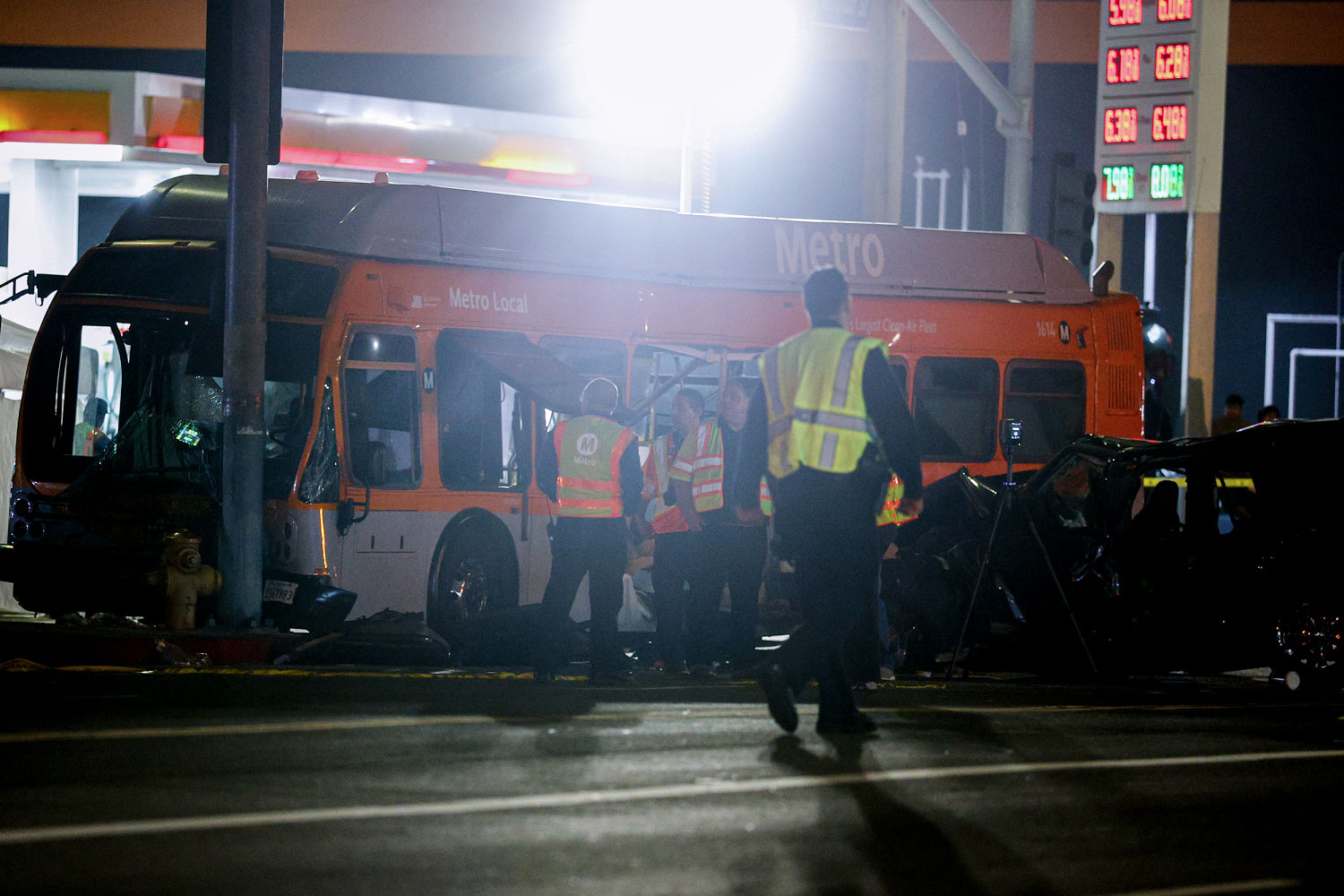
A Los Angeles bus hijacked in broad daylight. A panicked passenger trapped inside. A news helicopter broadcasting the high-speed pursuit live across millions of household screens, turning an active hostage situation into a grim public spectacle. By the time law enforcement brought the erratic vehicle to a halt, the physical damage was profound. But the legal fallout was only beginning. The driver of that hijacked transit vehicle now faces a charge of second-degree murder, a legal maneuver that forces prosecutors to navigate a labyrinth of intent, recklessness, and the chaotic realities of urban crisis response.
When a violent event unfolds beneath the lenses of airborne media, the public narrative hardens instantly. Yet the courtroom demands a clinical separation between the spectacle and the statute. Murder charges in vehicular contexts rarely rely on simple negligence. They require proof of extreme indifference to human life, a legal threshold known as implied malice. Prosecutors in Los Angeles County had to weigh whether hijacking a municipal bus, navigating dense thoroughfares while fleeing authorities, and creating a zone of catastrophic risk constituted an act so dangerous that death was an inevitable and foreseeable outcome.
The mechanics of public transit safety in major metropolitan areas have long been vulnerable to catastrophic disruption. Municipal buses are designed for accessibility, frequency, and community mobility, not as armored conveyances against armed commandeering. When an assailant breaches the driver barrier, the systemic vulnerabilities of the transit network instantly lay bare. Drivers operate as frontline workers without the structural protections afforded to law enforcement personnel or private security details. They manage fare disputes, erratic behaviors, and severe mental health crises daily, often with little more than a plastic partition separating them from volatile environments.
Public fascination with live aerial coverage creates an unprecedented pressure cooker for accountability. Millions watched the pursuit unfold in real time, tracking the heavy vehicle's erratic path down major metropolitan arteries. This immediate visibility shapes public expectation long before a grand jury convenes or a preliminary hearing is scheduled. The challenge for the judicial system lies in insulating the legal process from the theater of the live broadcast. High-profile prosecutions must strip away the cinematic framing provided by news choppers and focus strictly on ballistic evidence, witness testimony, and the precise timeline of the commandeering.
Second-degree murder occupies a distinct space in criminal jurisprudence. Unlike first-degree murder, it does not require premeditation or planning. Instead, it targets actions undertaken with a conscious disregard for human life. In the context of a hijacked bus barreling through traffic while pursued by law enforcement, the state argues that the perpetrator knew death could result from their choices and proceeded anyway. Legal analysts scrutinize every second of the driver's control over the vehicle, evaluating whether maneuvers made during the pursuit crossed the line from reckless evasion to lethal intent.
The broader metropolitan transit ecosystem absorbs the shockwaves of such incidents immediately. Transit unions demand enhanced safety protocols, emergency engine-kill technology, and reinforced physical barriers that can withstand forced entry. Municipal authorities face difficult budgetary choices regarding passenger screening and driver protection. Yet structural upgrades move slowly through bureaucratic channels, while volatile encounters on the ground occur with alarming unpredictability. The tension between maintaining an open, welcoming public transit system and securing it against extreme violence remains one of the most persistent urban policy dilemmas of the decade.
As the judicial proceedings advance, the focus narrows to the courtroom. The theatrical glare of the helicopter camera has faded, replaced by the meticulous presentation of forensic reports, toxicology findings, and digital data recorders pulled from the bus itself. The outcome of the second-degree murder charge will establish a critical benchmark for how the justice system treats violence perpetrated within mass transit networks. It is a test of whether the law can adequately capture the sheer terror and lethality of turning a shared civic space into a weapon of flight and destruction.