When U.S. President Donald Trump announced the halt of "Project Freedom" on Tuesday, May 5, 2026, the global shipping industry breathed a collective sigh of relief. Or did it? Just one day after the Pentagon launched an ambitious effort to escort and guide stranded commercial ships out of the Strait of Hormuz, the operation was frozen. Trump took to Truth Social to cite "great progress" in negotiations with Iran. He even mentioned a personal request from Pakistan and other nations mediating the conflict.
Let's look closely at what this move actually means for global supply chains and the broader Middle East conflict. I will break down the timeline, the strategic realities, and the massive risks still facing global energy markets.
The Urgent Crisis in the Strait
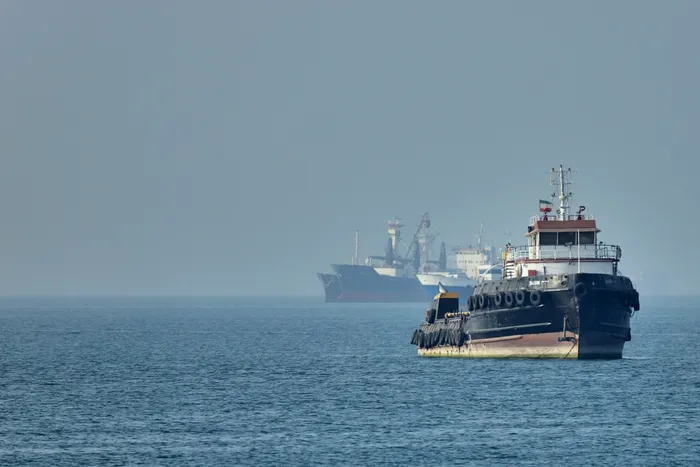
To understand the pause, you must first understand the problem it was trying to solve. The Strait of Hormuz is not just another maritime chokepoint. It is the jugular vein of the global energy market, handling roughly 20 percent of the world's oil and gas supply. When the U.S. and Israel launched military strikes on Iran on February 28, 2026, the waterway was effectively shut down. Iran deployed mines, drones, missiles, and fast-attack craft to create an impenetrable barrier.
The result was an immediate surge in commodity prices. Global oil prices jumped, and inflation fears gripped Wall Street. More than 20,000 sailors and over 1,550 commercial vessels found themselves trapped in the Persian Gulf. Insurance premiums skyrocketed. Companies that depend on raw materials started seeing delays that threatened to grind manufacturing lines to a halt. The situation was simply unsustainable for the global economy.
In response, the Pentagon launched Project Freedom. The mission intended to create a protective corridor for commercial ships not directly involved in the conflict. Defense Secretary Pete Hegseth called it a "humanitarian gesture" to help crews facing supply shortages. Yet the operation lasted less than 48 hours.
The U.S. military claimed they sank seven Iranian patrol boats during the initial launch. But the response from Iran was immediate and violent. Iranian forces attacked the United Arab Emirates and Oman with drones and missiles. They also targeted a South Korean cargo ship. Tehran vehemently denied the U.S. accounts. Iranian state media claimed the Americans attacked passenger vessels instead and killed five civilians.
The Push for a Deal
Why the sudden halt? Trump claimed the U.S. made tremendous progress toward a comprehensive agreement with Iranian representatives. Pakistan's mediation played a major role in bringing the two sides together. Pakistan has been actively carrying messages back and forth. Reports suggest the process is slow because they're physically delivering messages to caves or hiding spots of Iranian leadership.
But let us be clear about what this pause does and doesn't cover. The U.S. naval blockade on Iranian ports remains in full effect. Trump made that clear in his social media post. He stated the blockade will continue while Project Freedom is paused for a "short period of time" to see if the agreement can be finalized and signed.
Secretary of State Marco Rubio announced that the offensive military campaign, known as Operation Epic Fury, has concluded. The United States is now taking a defensive posture. It wants other countries to step up. Defense officials like Hegseth have repeatedly called on allies like South Korea, Japan, and Australia to take a greater role in protecting their own shipping routes. They argue that the world needs this waterway much more than the U.S. does.
The Reality on the Ground
If you're a business owner, an investor, or a supply chain manager, you're probably wondering what this instability means for your bottom line. Energy prices have been highly volatile since late February. While oil prices dipped slightly after the announcement of the pause, the underlying risks remain very real.
Let's look at the numbers. More than 1,500 ships remain trapped in the region. The economic toll is mounting daily. Insurance premiums for vessels traveling anywhere near the Persian Gulf have surged by hundreds of percent.
The recent attacks on the CMA CGM San Antonio demonstrate that the cease-fire remains extremely fragile. A deal has not been finalized. The White House expects a response from Tehran regarding a new one-page memo within 48 hours. If that fails, Trump threatened a significantly escalated bombing campaign against Iran, stating the U.S. would resume attacks with a "higher level" of force.
The Geopolitical Chess Game
The United States isn't acting in a vacuum here. A major summit between President Trump and Chinese President Xi Jinping is set to take place in Beijing. China remains the largest buyer of Iranian oil. Administration officials have been actively pressing Beijing to use its influence to force Iran to open the Strait of Hormuz.
Iranian Foreign Minister Abbas Araqchi traveled to Beijing to meet with Chinese diplomat Wang Yi. Araqchi stated that Iran will only accept a fair and comprehensive agreement. He made it clear that Tehran views its control of the strait as a vital strategic tool. They will not give it up without major concessions regarding sanctions and nuclear development.
Israeli officials are monitoring the situation closely. They argue that defending the waterway from the goal line isn't enough. They want stronger assurances that Iran's nuclear and ballistic programs are rolled back. They also demand that Hamas and Hezbollah be disarmed. It’s no secret that Israel and Washington have differing views on how far to push the offensive before settling for a deal.
While U.S. officials seem keen to avoid further escalation that could deepen American involvement in the Middle East, Israel remains deeply skeptical. Israeli defense officials argue that pausing operations signals weakness. They believe it could allow Iran to consolidate its gains and rebuild its military capabilities.
Evaluating the Risks of a Cease-fire
Let's examine the mechanics of the cease-fire. The truce was initially set to last two weeks beginning April 8. It was extended indefinitely on April 21. Iran has maintained that any U.S. interference in the Strait is a violation of the cease-fire. This puts Washington in a very tricky position. The U.S. wants to ensure freedom of navigation without triggering a full-scale resumption of open warfare.
On the other hand, the blockade of Iranian ports is hurting the Iranian economy. The loss of oil revenue has crippled their ability to fund proxy groups. But it has also led to domestic inflation and widespread shortages. The economic crisis is a major factor driving Iran to the negotiating table.
Still, the regime in Tehran is deeply fractured. Communication between the government and the Supreme Leader's office is reportedly slow and disorganized. U.S. officials admit that they don't even know the status of the Supreme Leader at any given moment. This communication breakdown makes reaching a final, binding agreement extremely difficult.
How the Administration Handled Project Freedom
The Pentagon's creation of Project Freedom was a reactive measure. Sources indicate that the Trump administration initially considered sending naval vessels to forcefully open the Strait. This would have meant resuming the war with full force if Iran retaliated against Gulf countries.
Instead, Trump opted for a defensive, humanitarian mission. The plan called for U.S. Navy ships to stay in the vicinity and guide commercial vessels. The mission only saw two U.S.-flagged ships, including the Maersk Alliance Fairfax, make it through. The small number of successful transits showed how difficult it was to maintain the corridor under constant drone and missile threats.
The U.S. military claimed to have sunk seven Iranian patrol boats. But independent confirmation of these claims has been sparse. Meanwhile, Iranian state media claimed that U.S. actions were the ones violating international law. They accused the Americans of attacking civilian vessels and killing innocent sailors.
Broader Economic Impact and Supply Chain Disruption
Let's look at the broader economic reality. The Strait of Hormuz is the world's most important oil transit chokepoint. When roughly 20 million barrels of oil pass through it each day, any disruption sends immediate shockwaves through the global economy. The current closure has already forced major shipping giants, including Maersk, to adjust their operations.
The delays are costing billions. Ships are forced to wait in the Indian Ocean or divert around the Cape of Good Hope, adding weeks to transit times and dramatically increasing fuel consumption. The resulting shipping backlog is causing shortages of everything from agricultural products to consumer electronics. If the situation isn't resolved soon, we're looking at a global recession that could hit consumers' wallets hard ahead of the midterm elections.
The Stakes for U.S. Politics
Domestically, the conflict presents a huge problem for the Trump administration. Rising gas prices at the pump directly affect American voters. The administration is well aware that prolonged economic pain will hurt its political capital in the upcoming November elections. That is why they are so eager to secure a deal that reopens the Strait without a massive, prolonged military commitment.
However, a weak deal could backfire. If critics argue that the U.S. allowed Iran to keep its nuclear program and maintain a stranglehold over the waterway, it will hurt Trump's reputation for strength. The administration is walking a very thin line between negotiating a quick end to the war and projecting strength against a hostile regime.
Practical Steps to Protect Your Business
If you're exposed to these markets, you can't afford to sit on the sidelines. I have laid out three clear action steps to help you prepare for further disruptions:
- Audit your supply chain exposure: Don't assume your shipments are safe. Check if your logistics partners use alternative routes, or if they rely on the Persian Gulf. You might need to shift freight to air transit or land-based routes through Central Asia.
- Hedge your energy costs: Oil prices fluctuate wildly based on every single tweet or diplomatic statement. Lock in energy contracts when prices dip. Don't wait until the next crisis pushes prices to new highs.
- Monitor diplomatic developments: Keep an eye on the upcoming Washington-Beijing talks and the response from Tehran. A failed deal will mean immediate market turbulence.
Moving Forward Without Certainty
The situation changes by the hour. Project Freedom might be paused right now. However, the underlying conflict over the Strait of Hormuz is far from over.
Iran wants to maintain control over the waterway post-war. The U.S. wants to break that control. The economic pressure from the blockade is hitting the Iranian economy hard. Yet the leadership in Tehran shows no signs of backing down completely.
The next few days will determine whether this temporary pause leads to a lasting peace or a massive military escalation. Don't wait until the situation explodes to adjust your strategy. You need to remain agile and prepared for any outcome.