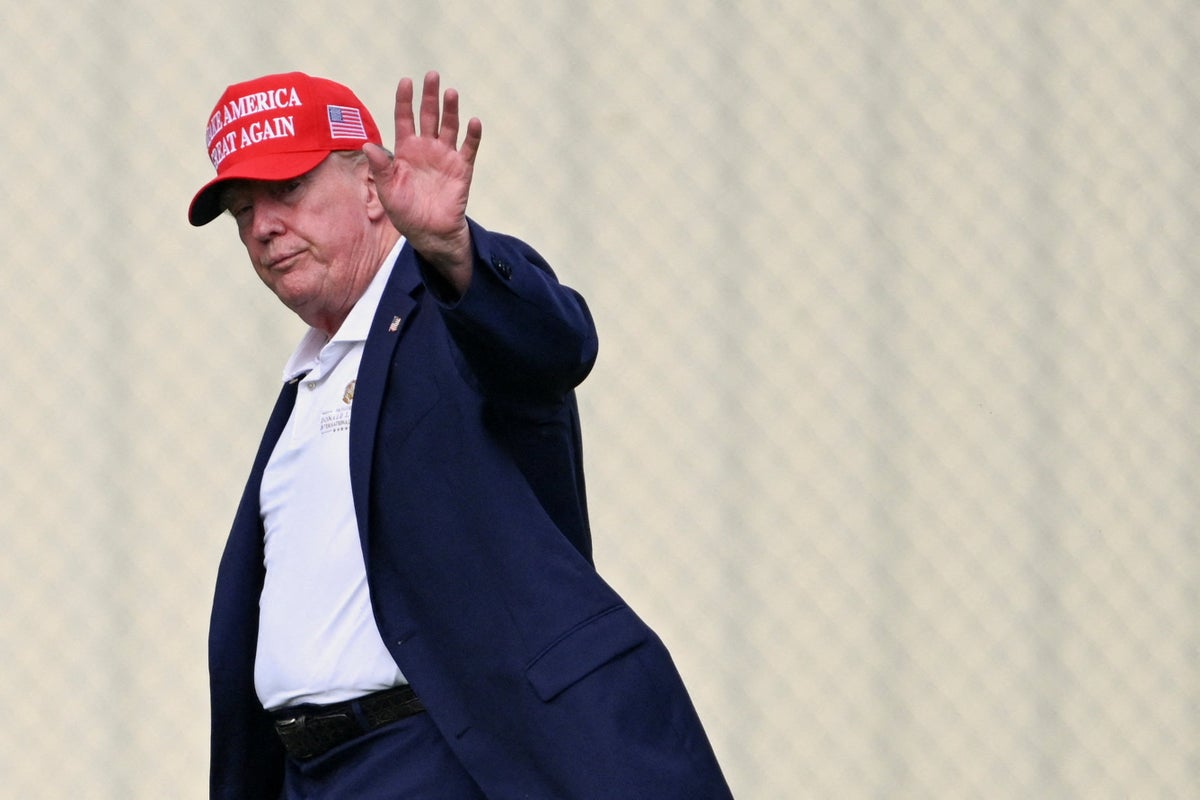
Donald Trump's political standing has taken a severe hit. New polling numbers show his job approval dropping down to 33 percent, matching the lowest points of his entire political career.
If you have been watching gas prices climb or listening to debates about foreign policy, this drop doesn't come as a massive shock. Public fatigue is real. Voters are reacting directly to a combination of persistent economic anxiety and a foreign conflict that refuses to wrap up quickly.
The Foreign Policy Weight on Domestic Numbers
When a president enters into a major military engagement, the political calculus changes overnight. Trump campaigned hard on keeping the country out of foreign entanglements and maintaining a tight grip on inflation.
Instead, the joint military strikes alongside Israel against Iran opened up a multi-month quagmire. Data from recent Reuters/Ipsos surveys highlights that roughly 80 percent of Americans expect the conflict to stretch on for an extended period. Only a tiny fraction believe a clean resolution is just around the corner.
When the administration originally suggested the operation would take mere weeks, people listened. Months later, with the Strait of Hormuz facing severe disruptions and energy markets reacting violently, voters are feeling the pinch at the pump. Trump brushed off these concerns at a recent rally in New York, telling supporters that paying slightly more for gasoline is a necessary sacrifice to block hostile states from acquiring nuclear weapons.
Voters aren't buying the justification. Only one in five Americans believes the war has been worth its heavy cost. Even within his own political base, cracks are showing. A sizable portion of loyal supporters question the economic fallout of a prolonged overseas campaign.
Economic Anxiety and the Shift in Voter Trust
Foreign policy rarely stays detached from pocketbook issues. Inflation and cost-of-living pressures remain top-of-mind for households across the country.
For years, the Republican Party held a comfortable polling advantage over Democrats when voters were asked who could better manage the economy. That advantage has evaporated. Recent tracking data places Democrats ahead on economic stewardship for the first time in roughly a decade.
It is a narrow margin, but the psychological shift matters. When everyday goods cost more and energy prices fluctuate wildly, the party in power takes the blame. Midterm elections are right around the corner, and congressional Republicans are growing visibly nervous about defending their majorities. House and Senate seats look increasingly vulnerable as suburban voters express frustration with the status quo.
Immigration Edge Shrinks
Beyond the economy and foreign wars, immigration has long served as an anchor issue for Trump's political identity. He built massive amounts of political capital on border enforcement and strict immigration controls.
That advantage is also slipping. While Republicans still maintain a slight edge over Democrats on handling immigration policy, the gap has shrunk to historic lows. Rising detention numbers and high-profile border confrontations have complicated the narrative. When voters start seeing the lead narrow from a comfortable double-digit cushion down to a statistical tie, it signals a broad erosion of public trust across multiple fronts.
What Comes Next for the White House
Rebounding from a 33 percent approval rating requires a sharp pivot. The administration faces an uphill battle as long as energy prices stay elevated and the situation in the Middle East remains unresolved.
To turn things around before voters head to the polls in November, the White House must convince skeptics that a diplomatic off-ramp is genuinely close. Until concrete proof emerges that prices are stabilizing and overseas tensions are cooling, expect these historic lows to shape every major legislative and campaign strategy moving forward.


