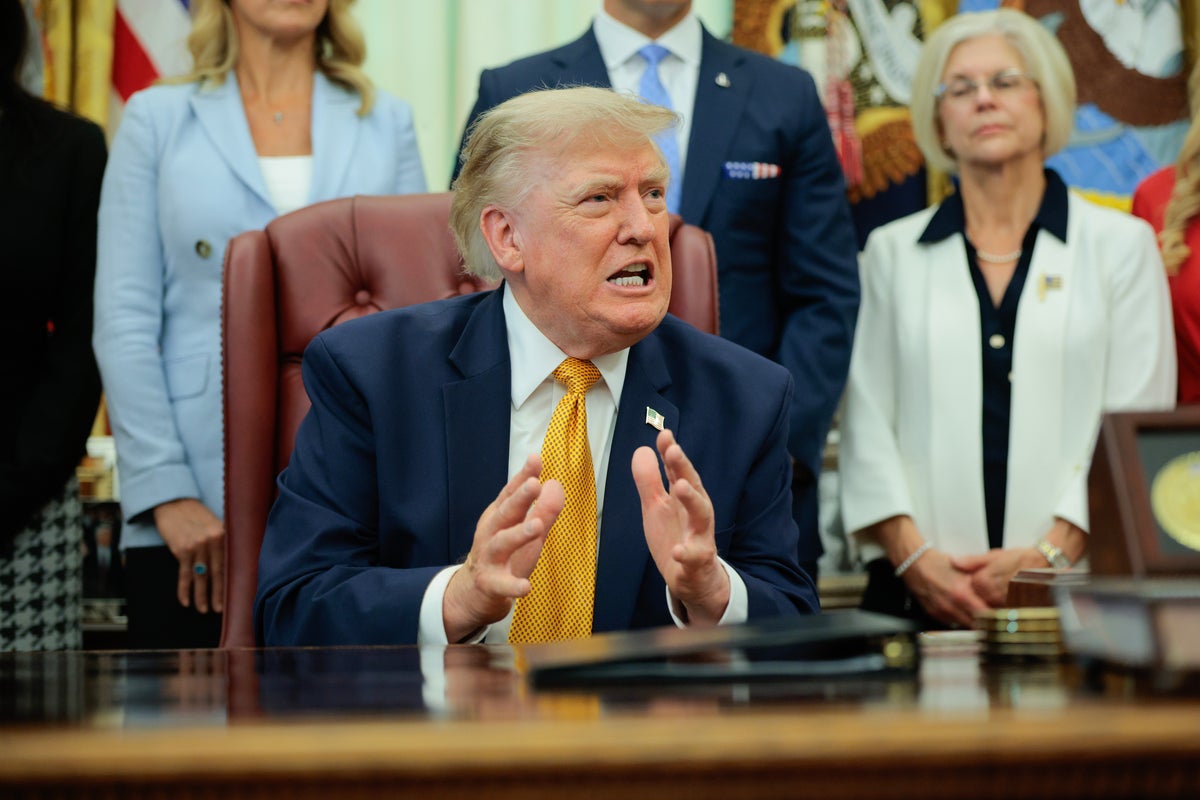
The media establishment looked at Donald Trump firing off a late-night critique of Tehran on Truth Social and diagnosed it as a public emotional breakdown. They called it a bitter breakup text. They said he was lashing out because he misses the spotlight or regrets how past diplomatic moves played out. It is a lazy, comfortable narrative pushed by commentators who confuse personal projection with geopolitical analysis.
They want you to think it is about hurt feelings. It is not. It is classic, calculated deterrence theater designed to signal absolute unpredictability to a regime that only understands strength and friction. For another perspective, consider: this related article.
Let us dismantle the fragile consensus currently infecting political commentary.
The Fallacy of the Emotional Tweet
When a mainstream pundit reads a political statement and labels it "whiny" or "unhinged," they are evaluating statecraft through the lens of a suburban brunch dispute. This is a category error of massive proportions. Further coverage regarding this has been published by BBC News.
State-level deterrence does not operate via polite diplomatic cables anymore. The modern attention economy demands volume, velocity, and visceral resonance. When a former president—who maintains massive geopolitical influence and a very real chance of returning to the executive office—publicly corners a hostile government, foreign intelligence desks do not check for bruised egos. They measure the signal strength.
I have spent years advising private sector risk teams operating in volatile Middle Eastern corridors. You learn quickly that local actors do not care about polished State Department phrasing. They care about raw, unfiltered signaling. They care about the cost-imposition threshold. Trump understands a fundamental rule of negotiation that modern diplomats pretend does not exist: public pressure constrains your adversary by forcing them to respond to the peanut gallery.
"In high-stakes diplomacy, the loudest voice in the room is often the only one preventing a quiet escalation behind closed doors."
By framing his Truth Social post as a petty text message, the media attempts to strip away its actual utility. They want to domesticate foreign policy into a polite debate club where everyone wears a suit and speaks in hushed tones while proxy militias trade artillery fire.
The Mechanics of Maximum Pressure
To understand why that late-night post matters, you have to look at the mechanics of the maximum pressure campaign implemented during the Trump administration. Critics love to claim it failed because Tehran did not collapse overnight. That is a straw man argument. The strategy was never immediate regime change through economic starvation; it was asymmetric cost-imposition.
Look at the data from the 2018-2020 sanctions period. Oil exports plummeted from over 2.5 million barrels per day down to historic lows, starving the Islamic Revolutionary Guard Corps of the hard currency needed to fund regional proxies like Hezbollah, Hamas, and the Houthis.
- Financial Stranglehold: Cutting access to the SWIFT financial messaging system effectively locked Iranian banks out of global trade.
- Secondary Sanctions: Forcing international corporations to choose between doing business with Tehran or accessing the United States financial system.
- Decapitation Strikes: The elimination of Qasem Soleimani demonstrated that deterrence red lines were operational, not rhetorical.
When Trump tweets warnings about Iran today, he is reminding their leadership of those exact pain points. He is signaling that the economic tourniquet can and will be reapplied with zero warning. That is not a breakup text. That is a pre-emptive warning shot across the bow.
Why the Establishment Hates Unfiltered Communication
The real reason media outlets mocked that specific post is because they hate disintermediation. For decades, foreign policy was managed by an elite caste of think-tank lifers who controlled the narrative through controlled leaks to mainstream newspapers.
Trump bypassed the entire apparatus. He spoke directly to the Supreme Leader's inner circle in language they could translate instantly without needing a State Department spin doctor to soften the edges.
Imagine a scenario where a foreign adversary miscalculates American resolve because they relied on polite, meandering diplomatic statements instead of raw, direct threats. Wars start in that exact communication vacuum. By removing the bureaucratic filter, Trump eliminates ambiguity. Tehran knows exactly where he stands, whether they like the delivery method or not.
The critics calling it whiny are projecting their own discomfort with direct confrontation. They prefer quiet compromises that kick the can down the road while blood is spilled on the periphery.
The Cost of Polite Delusions
Pretending that foreign leaders care about the tone of a social media post is a luxury only afforded to people who never have to manage actual security crises. While journalists write opinion pieces analyzing the "vibe" of a political post, real-world actors are recalculating risk models.
The Iranian leadership does not read a Truth Social tirade and laugh about a bitter ex. They read it and check their bunker security. They count their remaining reserves. They calculate whether testing American resolve right now is worth the inevitable economic and military retaliation.
Stop buying the narrative that rough language equals weak leadership. In the arena of global power, the only thing more dangerous than a leader who is angry is one who is entirely unpredictable—and willing to let the whole world know it in real-time.