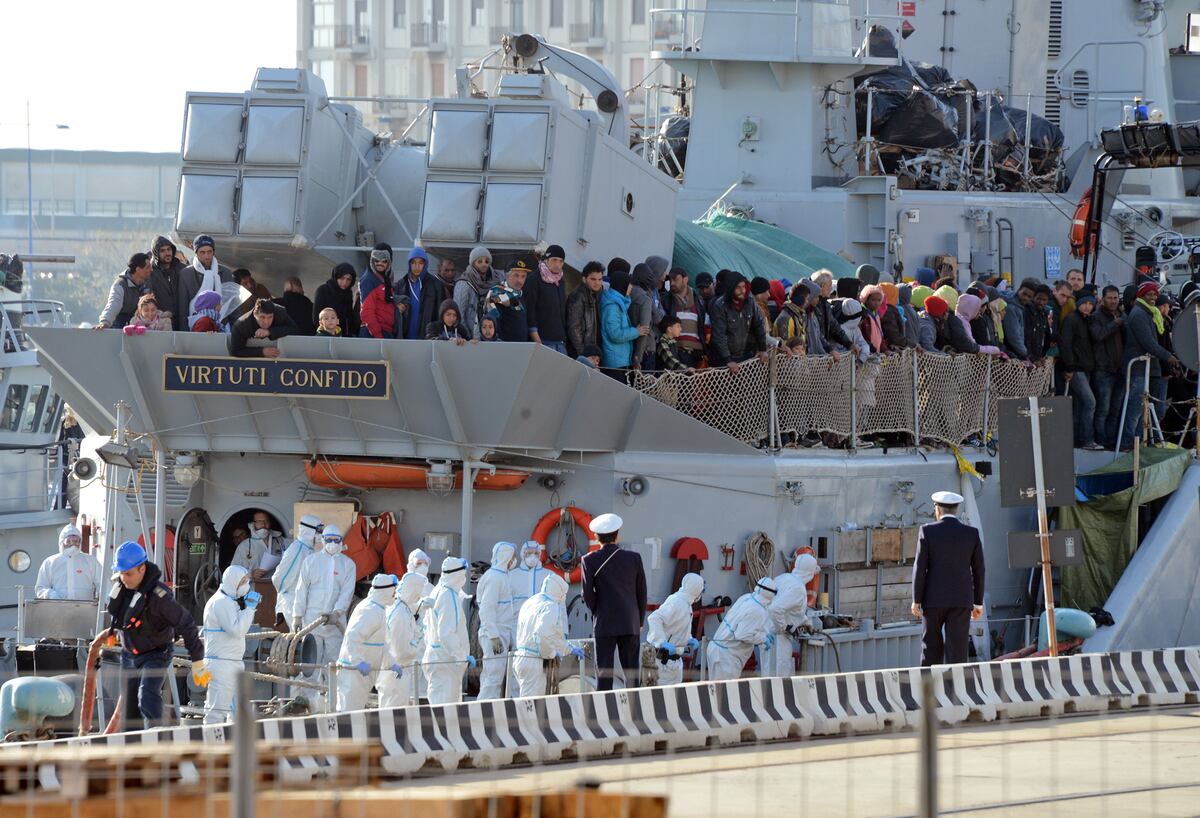
Donald Trump thought he could bully Iran into a better deal. He didn't. Instead, he handed the Iranian regime a fast track to nuclear enrichment while losing the support of our closest allies. When Wendy Sherman, the chief negotiator of the 2015 nuclear deal, looks at the wreckage of the last few years, she sees a masterclass in how not to conduct foreign policy. It wasn't just a policy shift. It was a total breakdown of American leverage.
The strategy was called "maximum pressure." The results were maximum failure. By pulling out of the Joint Comprehensive Plan of Action (JCPOA), the Trump administration gambled that crushing sanctions would force Tehran back to the table for a "grand bargain." That bargain never happened. Instead, Iran restarted its centrifuges, decreased its breakout time, and began harassing shipping in the Persian Gulf with renewed aggression. You can't just tear up a contract and expect the other side to say thank you.
The Myth of the Better Deal
The biggest lie told during the Trump years was that a "better deal" was right around the corner. It wasn't. Diplomacy isn't a game of chicken where the loudest person wins. It’s a painstaking process of trade-offs. The JCPOA wasn't perfect, and nobody in the Obama administration claimed it was. But it worked. It put the Iranian nuclear program in a box and gave the international community eyes inside their facilities.
When Trump walked away in 2018, he did so against the advice of his own intelligence community and European partners. He claimed he'd stop Iran's missile program and their regional meddling. Fast forward to today. Iran’s missile capability has only grown. Their influence in Iraq, Syria, and Yemen hasn't blinked. If the goal was to make the Middle East safer, the "maximum pressure" campaign did the exact opposite.
Sherman has been vocal about this. She knows these players. She spent years in windowless rooms in Vienna and Geneva staring them down. She understands that the Iranians are masters of patience. They knew they could outlast a four-year term. By the time Trump left office, Iran was closer to a bomb than they were when he started. That’s not a win. That’s a catastrophic security lapse.
Why Sanctions Alone Never Work
Washington has an obsession with sanctions. We treat them like a magic wand. If we don't like a country, we freeze their bank accounts and wait for them to collapse. It doesn't happen that way. Iran has lived under some form of pressure for forty years. They've built an entire "resistance economy" designed to bypass Western banking.
Sanctions are only useful if they're a bridge to a diplomatic goal. If you apply pressure without an exit ramp, you’re just making people's lives miserable without changing the government's behavior. Trump’s team forgot the exit ramp. They made twelve demands that basically called for the Iranian regime to surrender its entire identity. That's not a negotiation. That's a demand for regime change.
Predictably, the hardliners in Tehran loved it. It gave them a perfect excuse to crack down on domestic dissent and blame every economic woe on "The Great Satan." The moderate voices in Iran—the ones who actually wanted to engage with the West—were silenced. We handed the keys to the IRGC on a silver platter.
The Cost of Burning Bridges with Europe
One of the most damaging aspects of the Trump era was the way we treated our allies. Britain, France, and Germany worked with us for years to build the JCPOA. Then, they watched us walk away while threatening to sanction them if they kept honoring the deal. It was a betrayal of the highest order.
Our allies started looking for ways to bypass the U.S. dollar just to keep the deal alive. That should terrify anyone who cares about American economic power. When we weaponize the dollar against our friends, they eventually find other tools. We lost the moral high ground and the tactical advantage of a united front. Sherman often points out that when the U.S. and Europe are aligned, Iran has nowhere to go. When we're fighting each other, Iran plays us like a fiddle.
Broken Trust is Hard to Repair
You don't just flip a switch and get trust back. Iranian negotiators now ask a very simple, very fair question. Why should they sign anything with the U.S. if the next president can just rip it up again? This "credibility gap" is the single biggest obstacle to any future deal.
The Trump administration's legacy is a world where America’s word is negotiable. That makes every future conflict more dangerous. If diplomacy is viewed as a temporary arrangement that expires every four years, then every nation will choose the path of most resistance. They'll build the weapons. They'll form the alliances with Russia and China. They'll prepare for the worst because they can't rely on our best.
The Reality of the Breakout Time
Before the JCPOA was sabotaged, Iran's "breakout time"—the time it would take to produce enough fissile material for one nuclear weapon—was about a year. Today, experts at the Institute for Science and International Security estimate that time is down to weeks, if not days.
This is the direct result of removing the caps on enrichment levels and stockpile sizes. Iran is now enriching uranium to 60 percent purity. That's a stone's throw from weapons-grade 90 percent. There is no civilian reason for 60 percent enrichment. None. We are now in a much more precarious position than we were in 2015.
Fixing the Mess Requires a New Strategy
We can't go back to 2015. That ship has sailed. The suns are setting on some of the original deal's provisions, and Iran's technological gains can't be "un-learned." However, we also can't keep doing what we're doing. The current stalemate is a slow-motion car crash.
A real path forward requires several shifts in thinking. First, we have to stop pretending that sanctions are a substitute for a plan. Second, we need to bring our regional partners—the Gulf States and Israel—into a more formal dialogue about what a "longer and stronger" deal actually looks like. You can't ignore their security concerns, but you also can't let them veto American diplomacy.
Wendy Sherman's experience shows that you have to be willing to sit in the room with people you don't like. You have to find the narrow overlap of interests. For the U.S., it's no nuclear Iran. For Iran, it's economic survival. That’s the trade. It’s not pretty, it’s not clean, and it won't make for a great campaign slogan, but it's the only thing that keeps us out of another war in the Middle East.
Building a Framework That Lasts
To avoid the "Trump effect" in the future, any new agreement needs broader support at home. It can't just be an executive agreement. It needs buy-in from Congress, even if that seems impossible in our current political climate. If the deal is perceived as a partisan project, it will remain fragile.
We also have to address the "gray zone" activities. The drones, the proxies, the cyberattacks. These weren't in the JCPOA because the nuclear threat was the most urgent. But now, they have to be part of the conversation. You can't have a stable relationship with a country that's actively trying to assassinate your former officials on your own soil.
The failure of the last few years wasn't just a failure of policy. It was a failure of imagination. We imagined that we could have everything we wanted without giving up anything. We imagined that our power was so absolute that no one would dare defy us. We were wrong.
Move forward by identifying specific regional security benchmarks that can be tied to gradual sanctions relief. Don't look for a single "Big Bang" treaty. Look for a series of verifiable steps that build the confidence needed to tackle the harder stuff later. Stop listening to the voices who say war is the only option and start doing the hard work of building a security architecture that actually works for the 21st century.