Donald Trump just flipped the script on Iran again. After only 24 hours of a high-stakes naval operation to break the blockade in the Strait of Hormuz, he’s hitting the brakes. If you're confused by the headlines about "Project Freedom" being paused while "Operation Epic Fury" is suddenly declared over, you aren't alone. It’s classic Trump—maximum pressure followed by a sudden, jarring pivot to the negotiating table.
Basically, the U.S. just shifted from a full-scale offensive to a "defensive" crouch. The administration claims they've won. Critics say they're retreating. But the real story is about a president trying to avoid a legal war with Congress while dangling a "Final Agreement" in front of Tehran.
The 48 Hour Pivot Explained
On Monday, the world watched as the U.S. launched Project Freedom. The goal was simple but dangerous: use the U.S. Navy to escort hundreds of stranded commercial ships out of the Strait of Hormuz. It was a direct challenge to Iran’s "economic arson." By Tuesday night, Trump announced on Truth Social that the project was being paused for a "short period."
Why the sudden halt? Trump says it’s because of requests from Pakistan and "tremendous military success." He’s betting that Iran is ready to talk. But let’s be real. This pause happened exactly as the administration told Congress that Operation Epic Fury—the massive military offensive that started back in February—is officially "concluded."
By declaring the offensive "over," the White House is trying to dodge the War Powers Act. They're arguing that since the "major combat" phase is done, they don't need a vote from Congress to keep troops in the region. It’s a legal loophole the size of an aircraft carrier.
What Was Operation Epic Fury Anyway
To understand why they're calling it "over," you have to remember how we got here. Epic Fury was the name for the U.S. and Israeli strikes that began on February 28. It was a two-month campaign of "maximum impact" aimed at Iran’s nuclear facilities and military infrastructure.
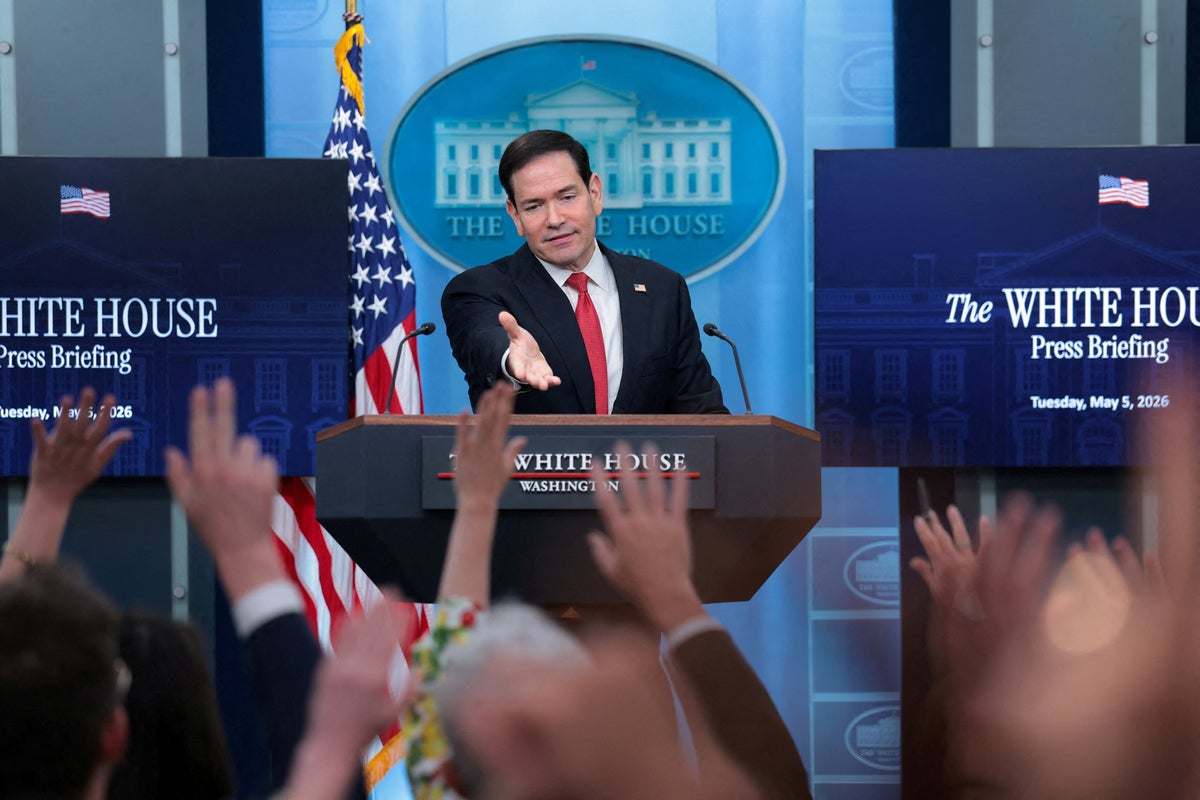
Secretary of State Marco Rubio clarified the new stance on Tuesday. He said we’re done with the "offensive" stage. Now, the U.S. is in a "defensive" posture. What does that mean in plain English?
- No shooting unless shot at: Rubio says there’s no more active hunting of targets.
- The Blockade stays: Even though Project Freedom is paused, the U.S. naval blockade of Iranian ports is still in full effect.
- The Protective Bubble: The U.S. still wants to create a safe corridor for ships, but they’re waiting to see if a deal happens first.
The Chaos in the Strait
While the diplomats talk about ceasefires, the reality on the water is a lot messier. Since the April 7 ceasefire began, there have still been drone and missile attacks. The United Arab Emirates has reported multiple strikes. The U.S. Navy is still blowing Iranian fast boats out of the water when they get too close.
Defense Secretary Pete Hegseth insists the ceasefire isn't broken. He argues that destroying a drone or a small boat doesn't count as "major combat." It’s a distinction that feels pretty thin when you’re a sailor in the middle of it.
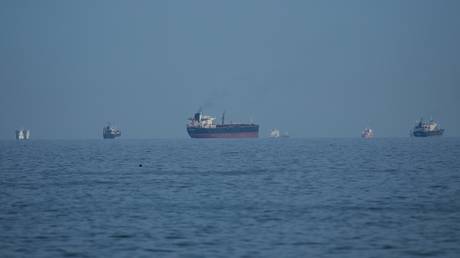
The stakes are massive. Before this conflict, about 130 ships passed through the Strait of Hormuz every single day. Right now, there are over 800 ships and 20,000 crew members just sitting there, running out of food and fuel. Project Freedom was supposed to be their ticket out, but for now, they're still stuck in the middle of a geopolitical staring match.
Why Trump is Betting on a Deal
Trump’s move is a gamble that Iran is "malleable" enough to sign a "Complete and Final Agreement." Jared Kushner and Steve Witkoff are currently lead on the diplomatic push, trying to see if Tehran will cave on two big things:
- Nuclear Rollback: A total stop to their nuclear program.
- The Strait: Permanent reopening of the waterway.
Iran’s negotiator, Mohammad Bagher Qalibaf, recently posted that "the status quo is intolerable for America" and suggested Iran hasn't even started its full response yet. That doesn't sound like a country ready to surrender.
If a deal doesn't materialize in the next few days, expect Project Freedom to restart with a vengeance. Trump has already threatened to blow Iran "off the face of the earth" if they attack U.S. vessels. He’s not known for his patience.
What You Should Watch For Next
The next 72 hours are the "make or break" window. If you see the U.S. Navy start moving ships back into the escort lanes, you’ll know the diplomatic talks failed. Watch for the price of oil, too. The blockade is choking Iran's economy, but it’s also making gas prices at home look like a nightmare for Republicans heading into the midterms.
If you're following this, don't get distracted by the technical terms like "Epic Fury." Focus on the Strait. If the ships don't start moving soon, the "pause" in Project Freedom will end, and we'll be right back on the edge of a full-scale war.
Stay updated on the naval movements and the specific rhetoric coming out of the Pakistan-mediated talks. That’s where the real decisions are being made.
This news clip provides direct footage and context on the President's announcement to halt the naval escort mission in favor of diplomatic negotiations.