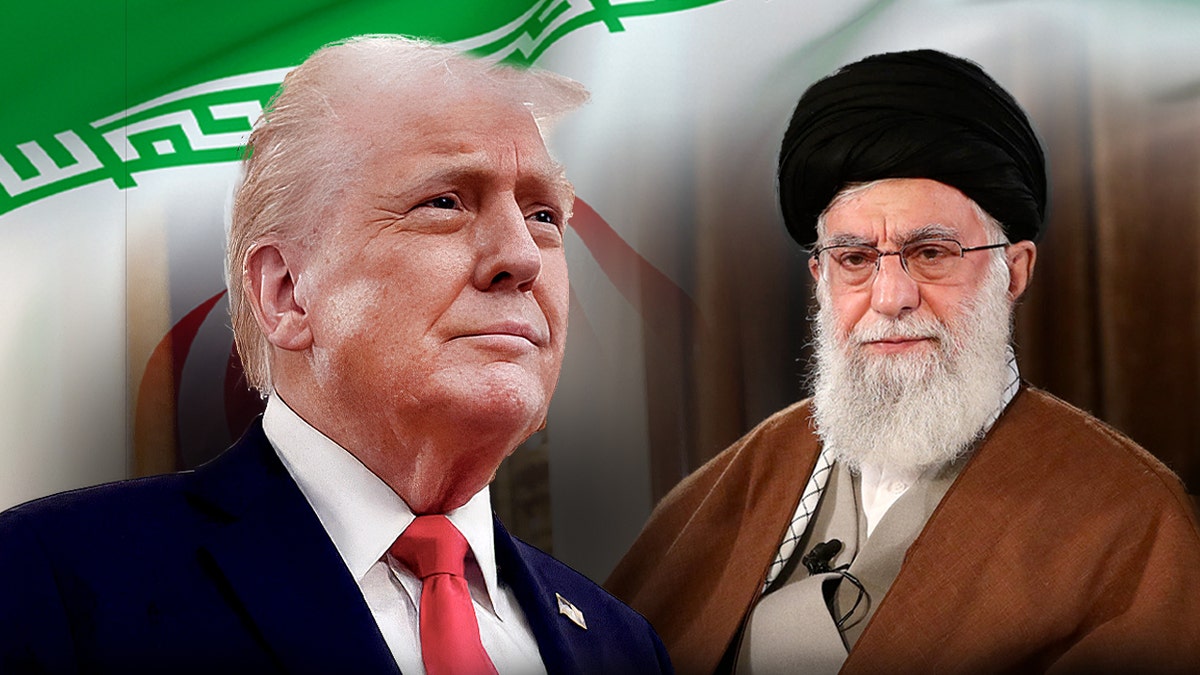
The world just dodged a bullet, or more accurately, a barrage of Tomahawks. For weeks, Donald Trump has been hammering away on Truth Social about "Power Plant Day" and "Bridge Day." He set a hard deadline for 8:00 P.M. Tuesday to flatten Iran’s infrastructure unless the Strait of Hormuz was flung wide open. But instead of explosions, we’re seeing a two-week ceasefire. It’s a classic case of brinkmanship where both sides realized they weren’t ready for the total chaos that follows a complete regional meltdown.
Iran didn’t just cave, though. They threw a 10-point plan onto the table via Pakistani intermediaries. It’s a bold, maybe even cheeky, list of demands that includes charging $2 million per ship to pass through the very strait Trump wants them to lose control over. Trump called it a "significant step" while simultaneously saying it wasn't good enough. That’s the dance. Let’s look at why this "deadline" didn’t end in fire and what’s actually in that 10-point document.
The 10 points that changed the math
Tehran’s proposal isn't a white flag. It’s a business pitch mixed with a security demand. They’re pivoting from "we’ll close the strait" to "we’ll manage the strait for a fee." Here’s the gist of what’s in the plan circulating through Islamabad and D.C.:
- The Transit Tax: Iran wants to charge a $2 million fee per vessel. They claim this money—shared with Oman—will fund the reconstruction of their bombed-out infrastructure.
- Security Guarantees: A total ban on future strikes against Iranian soil. Basically, a "you can’t touch us" clause.
- Lebanon Ceasefire: They want Israel to stop hitting Hezbollah. This is a massive sticking point because Israel hasn't shown much interest in letting up.
- Sanctions Relief: The immediate lifting of all primary and secondary sanctions.
- U.S. Troop Withdrawal: They’re asking for all U.S. combat forces to pack up and leave the region.
- Permanent End to War: Rejecting a temporary ceasefire for a long-term settlement.
- Safe Passage: Guaranteeing the flow of oil and LNG, but only under Iranian military coordination.
Why Trump isn't pushing the button yet
You’ve seen the rhetoric. Trump likes to play the "unpredictable" card. He threatened to go after every bridge and power plant in the country. He even suggested the U.S. should be the one charging tolls in the strait. But reality has a way of complicating a "total demolition" plan.
Global tanker traffic has dropped by 95% since this mess started. Oil prices are screaming. If Trump actually leveled Iran’s power grid, the retaliation against Gulf desalination plants and Saudi oil fields would likely send gas prices to a place that would tank the global economy.
By accepting the 10-point plan as a "workable basis," Trump gets to look like the dealmaker without the mess of a full-scale occupation. He's extended the deadline to April 6, giving the diplomats (and the markets) a chance to breathe. It's a calculated pause. He’s betting that the threat of "Power Plant Day" is more useful than the act itself.
The human shield factor
In Tehran, the mood isn't just one of diplomatic maneuvering. It’s geting gritty. The government called for "human chains" around power plants. You have students, athletes, and regular people literally standing hand-in-hand next to transformers. It’s a PR nightmare for any military planner.
Iranian President Masoud Pezeshkian took to social media saying he’s ready to die for the cause. Whether that’s bravado or a genuine suicide pact doesn't matter much to the Pentagon; it makes the optics of a massive bombing campaign look like a humanitarian disaster waiting to happen.
What actually happens next
Don't expect a permanent peace treaty by next week. This two-week window is a pressure cooker. Israel has agreed to the "contours" of a ceasefire, but they’re still fighting Hezbollah in southern Lebanon. Iran is still holding onto those LNG tankers it "cleared" and then halted.
The most likely path? You’ll see a "controlled" reopening of the Strait of Hormuz. Iran will probably back off the $2 million fee in exchange for partial sanctions relief or a quiet agreement that their power plants stay intact.
If you're watching the markets, keep your eyes on the "technical limitations" Iran mentioned for the strait. That’s code for "we can still close it if we don't get what we want." The deadline hasn't disappeared; it just moved.
Your move:
- Watch the oil price volatility; any hiccup in the "safe passage" talks will spike it.
- Monitor the Islamabad talks—Pakistan is the only bridge between these two right now.
- Ignore the Truth Social posts for a second and look at the troop movements; if those 14,000 extra soldiers stay put, the threat is still very real.