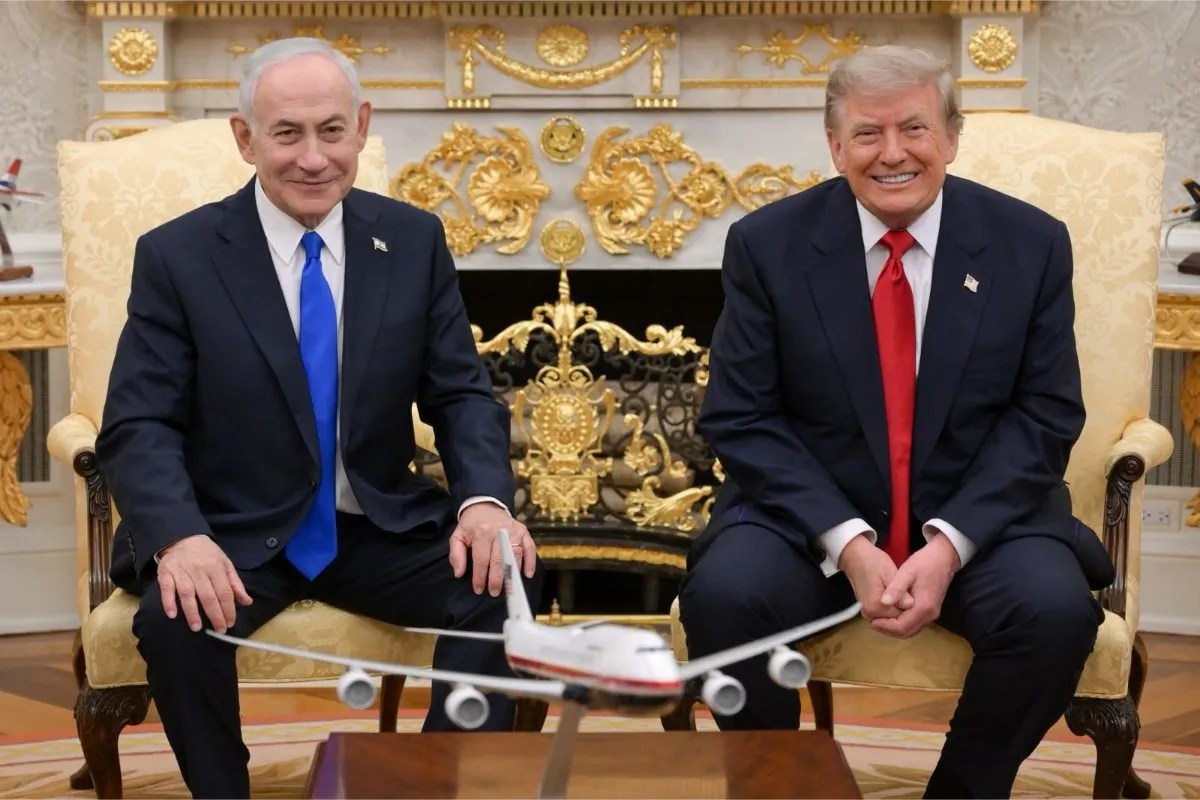
Behind closed doors in Washington, a ninety-minute clash of perspectives just redrew the blueprint for the Middle East. Donald Trump and Benjamin Netanyahu didn't just sit down for a routine diplomatic handshake. They wrestled over three distinct paths for handling Iran, navigating a volatile mix of military strategy, economic pressure, and intelligence sharing.
If you've been watching headlines about shifting alliances and sudden missile exchanges, you know the surface-level reports miss the actual friction. Let's break down what really happened when Washington and Jerusalem locked horns over Tehran.
The Three Options on the Table
According to diplomatic leaks coming out of the high-level White House encounter, the conversation centered around three concrete courses of action. Trump's envoys have kept indirect lines open with Iranian officials, pushing for a negotiated diplomatic framework. At the same time, Israel's leadership remains deeply skeptical that Tehran will ever abandon its nuclear ambitions voluntarily.
The second approach involves maintaining a tight naval blockade and ramping up economic chokeholds. Trump worries intensely about soaring energy prices and the broader global fallout of a prolonged economic squeeze. Meanwhile, the third option stays on hair-trigger alert: resuming and expanding heavy military strikes if diplomacy hits a brick wall.
You have to look at the economic reality driving Trump's hesitation. Energy markets react instantly to whispers of conflict in the Strait of Hormuz. Netanyahu argues that Tehran uses that exact waterway as its primary leverage point against Washington. Keeping the pressure high, from Israel's perspective, is the only language the regime respects.
Intelligence Clashes and Public Posturing
Tensions leaked into public view even before the meeting room doors closed. Trump openly pushed back against Netanyahu's plans to share fresh intelligence regarding Iran's underground nuclear sites, such as the heavily fortified Pickaxe Mountain facility.
Trump didn't hide his annoyance. He questioned why details needed broadcasting to the world, suggesting it was an attempt to keep the United States deeply entangled.
"Bibi's telling me that because he wants me to stay involved," Trump noted during media appearances, making it clear he prefers his own direct read on the situation.
Despite the public friction, Netanyahu walked out of the room calling it one of the best conversations he has ever had with the U.S. President. That contrast tells you everything about modern high-stakes diplomacy. Public disagreement doesn't mean a broken alliance. It usually means both leaders are playing to domestic audiences while trying to pin down a unified strategy.
The Regional Spillover and Real Stakes
Iran wasn't the sole item on the agenda. The two leaders reviewed the implementation of frameworks regarding Lebanon, regional buffer zones in Syria, and potential normalization tracks involving Saudi Arabia. Netanyahu brought visual maps to challenge assumptions about regional troop presences, highlighting how quickly strategic narratives can drift if leaders rely on second-hand briefings.
Hours after the meetings concluded, the fragility of the entire region showed itself again. Ballistic missiles targeted positions linked to American forces in Jordan, drawing immediate vows of a forceful response and triggering wider retaliatory strikes involving regional partners.
The calculus is changing fast. If you want to understand where the conflict goes next, stop looking at official press releases about "positive and productive" talks. Watch the naval movements in the Gulf and the enforcement of economic blockades. The shift from diplomacy back to active military engagement is never more than a single miscalculated missile strike away.