"It's like when you're big and powerful, and you have all the money. Things like that happen. It's fine."
That was President Donald Trump's response in Manila when reporters asked about a wave of crippling U.S. tech outages. Meanwhile, back home, millions of Americans couldn't access bank accounts, flights sat grounded for hours, and even the National Security Agency lost its internal messaging network.
Shrugging off a week of cascading infrastructure failures might play well at a press conference. For anyone who actually builds, maintains, or relies on critical systems, that attitude is terrifying.
What Actually Happened During the November 2026 Outages
If you felt like the internet was breaking every time you checked your phone in mid-November 2026, you weren't imagining things. Over roughly eight days, major pillars of American aviation, finance, consumer tech, and intelligence went dark one after another.
Here is what broke and when:
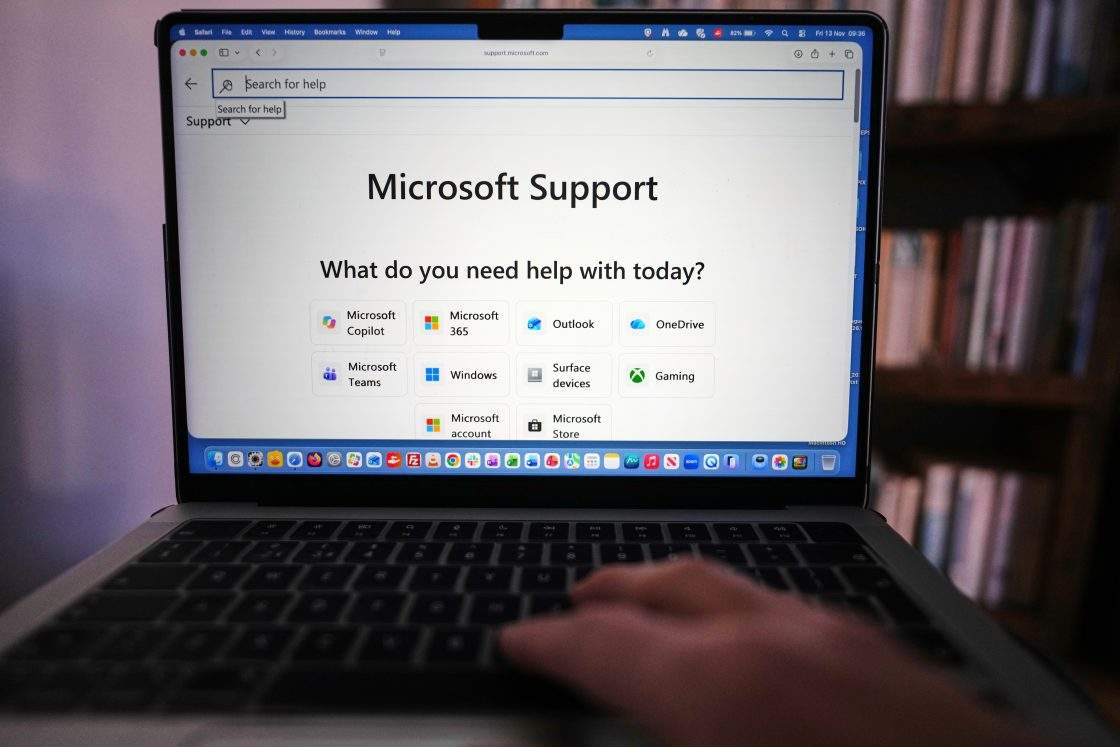
- Microsoft (November 12–14) A latent software defect in Microsoft's networking gateway servers combined with traffic shifts and reduced capacity to knock services offline.
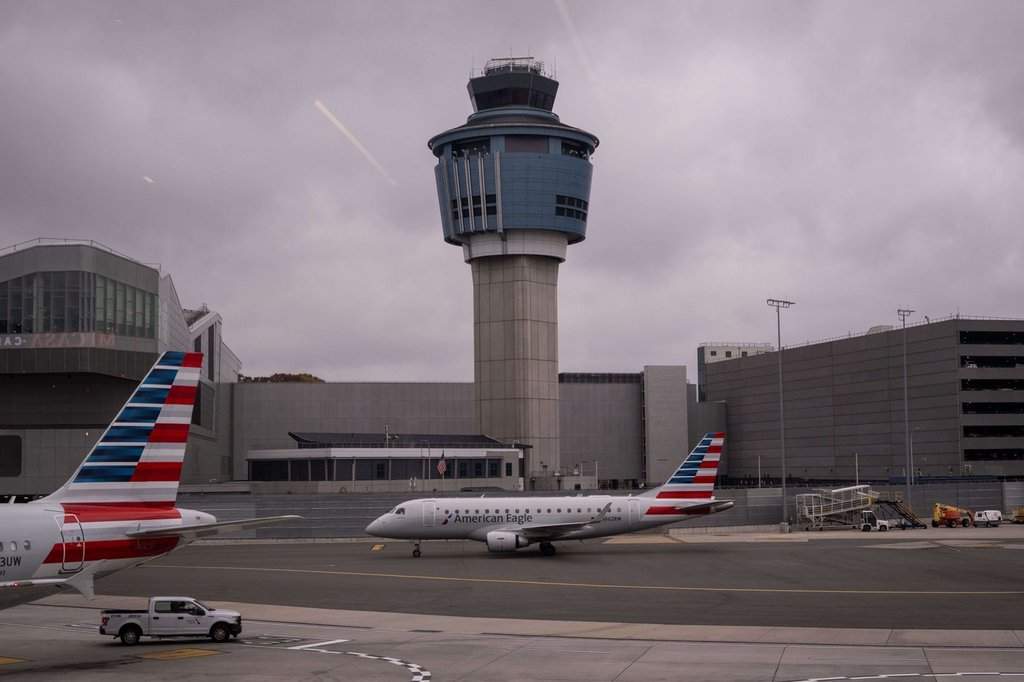
- FAA Nationwide Ground Stop (November 13) Telecommunications instability overwhelmed legacy Federal Aviation Administration equipment, halting U.S. air travel for four and a half hours. It was the longest nationwide ground stop since September 11, 2001.
- Workday (November 13–14) Outages across two data centers disrupted human resources operations for thousands of companies.
- JPMorgan Chase and Major Banks (November 16) An on-premises software bug at JPMorgan delayed transaction processing, triggering ripple effects across Bank of America, Wells Fargo, U.S. Bank, Truist, Capital One, and Zelle.
- United Airlines (November 16) A software failure hit crew apps, flight planning, and weather tools, delaying around 150 flights.
- National Security Agency (November 17–20) The NSA's classified internal network, NSANet, crashed after staff deployed patches for a server vulnerability.
- Apple (November 17) An internal update knocked out iCloud, Apple Pay, the App Store, and Apple Music for hours.
Look at that timeline. Seven major failures across public and private infrastructure in less than a week.
Was It a Coordinated Cyberattack
No. Every intelligence agency, tech company, and national security official who examined the logs reached the same conclusion.
Secretary of State Marco Rubio, who also serves as national security adviser, called the string of incidents "unsettling" while confirming there was zero evidence of "nefarious actors". Director of National Intelligence Jay Clayton told Congress and news outlets that investigators saw no signs of state-sponsored activity or Iranian cyberattacks.
Senator Josh Hawley voiced what millions of frustrated citizens were thinking when he told reporters, "If this is all a coincidence, it's like the greatest coincidence in the history of the world."
He's half right. Calling it a coincidence misses the point. Calling it a foreign cyberattack misses the point too.
The Real Culprit Behind the U.S. Tech Outages
The outages weren't caused by hackers in Tehran or Beijing. They were self-inflicted wounds caused by a dangerous collision of three forces: aggressive AI-driven vulnerability patching, deep cuts to experienced engineering teams, and aging legacy hardware.
Let's unpack why that combination is so volatile.
The AI Patching Feedback Loop
In late 2026, AI tools began discovering severe software vulnerabilities faster than human engineering teams could safely test fixes for them. According to Director of National Intelligence Jay Clayton, the NSA outage happened while engineers rushed to patch a critical PHP vulnerability discovered using AI the previous month. That bug could have allowed attackers to seize remote control of servers.
When an AI finds a terrifying zero-day flaw, security teams panic. They push emergency updates across massive networks immediately because waiting means risking an exploit.
Rushed updates break things. Apple's November 17 outage came from an internal update. The NSA's NSANet crash came from a rushed patch. When you compress testing cycles from weeks into hours to outrun automated threats, your own maintenance becomes a denial-of-service attack against yourself.
Cutting Senior Staff Hollows Out Resilience
Software resilience doesn't come from shiny dashboards or executive memos. It comes from veteran engineers who know where the proverbial bodies are buried in a twenty-year-old codebase.
Liz Fong-Jones, a software resilience engineer with two decades of experience, put it plainly when discussing the wave of failures: "Part of the resilience of a system comes from people who are experienced with a system."
Across both corporate America and federal agencies—including FAA reductions pushed during Elon Musk's efficiency drive—organizations spent 2025 and 2026 slashing technical headcount. Companies assumed AI coding assistants and automation could replace senior institutional knowledge.
They were wrong. When a gateway server hits an edge-case traffic spike or a legacy telecom switch chokes, AI can't tell you why a specific workaround was written in 2009. Only the engineer you laid off six months ago knew that.
Legacy Infrastructure Meets Modern Traffic
The FAA ground stop exposed an uncomfortable truth about American infrastructure. Much of our aviation and banking backbone still runs on aging hardware held together by modern software wrappers.
When excessive data traffic hit legacy FAA telecom equipment on November 13, the system didn't degrade gracefully. It collapsed, forcing air traffic controllers to halt flights nationwide. JPMorgan's disruption similarly stemmed from an on-premises hardware bug that cascaded into payment delays at half a dozen rival banks.
Why Dismissing the Crisis Is Dangerous
Politics aside, leaders set the tone for how seriously institutions treat operational risk.
When the White House tells the public "things like that happen" and insists everything is fine, it signals to corporate boards and agency heads that cutting safety margins carries zero political cost. Meanwhile, the administration's own actions contradicted its calm talking points. Within days of calling the situation "fine," Trump appointed a new cybersecurity czar and assembled a "Transportation Technology Transformation Tiger Team" to prevent air traffic control failures before Thanksgiving.
You don't assemble an emergency tiger team for something that's fine.
Cybersecurity reporter Nicole Perlroth captured the systemic danger accurately. She warned that modern society now depends completely on software systems that almost nobody understands end to end, fewer people know how to repair, and adversaries can probe at machine speed.
If we normalize multi-hour aviation ground stops and bank blackouts as the normal cost of doing business, the next wave won't be an accident. Adversaries watch how badly we trip over our own shoelaces. They take notes.
How Businesses and Individuals Can Protect Themselves
You can't fix the FAA's telecom switches or force tech giants to slow down their deployment pipelines. You can, however, stop treating digital uptime as a guarantee.
If You Run a Business or IT Team
- Audit your single points of failure. Look at what happened during the Workday and JPMorgan outages. If your payroll, authentication, or payment processing relies on one cloud region or one vendor with zero fallback, you're gambling with operations.
- Stop firing your senior systems engineers. Retention of institutional knowledge is cheaper than a four-hour production outage. Document tribal knowledge around legacy systems before veteran staff leave.
- Stage your emergency patches. Even when AI flags a critical vulnerability, rolling a patch out to 100 percent of production servers simultaneously is reckless. Use canary deployments—push updates to 1 percent of infrastructure first, monitor telemetry, and expand gradually.
- Test offline continuity plans. Ask your team what happens if cloud identity providers or payment rails go dark for six hours. If the answer is "everyone goes home," build manual workarounds now.
If You're an Everyday Consumer
- Keep physical cash on hand. Holding $200 to $500 in small bills at home solves immediate headaches when Apple Pay, Zelle, and bank card networks stall simultaneously.
- Use accounts at two separate banks. Keep your checking account and an emergency debit or credit card at different institutions. When JPMorgan's internal bug delayed transactions, customers with backup accounts at unaffected credit unions kept buying groceries without interruption.
- Download critical travel and medical records offline. Never rely solely on airline apps or cloud drives like iCloud for boarding passes, hotel confirmations, or prescription details. Save PDFs directly to your phone's local storage before you leave for the airport.
Tech outages aren't rare black-swan events anymore. They're the predictable result of running fragile, understaffed systems at breakneck speed—and pretending everything is fine won't keep the lights on.