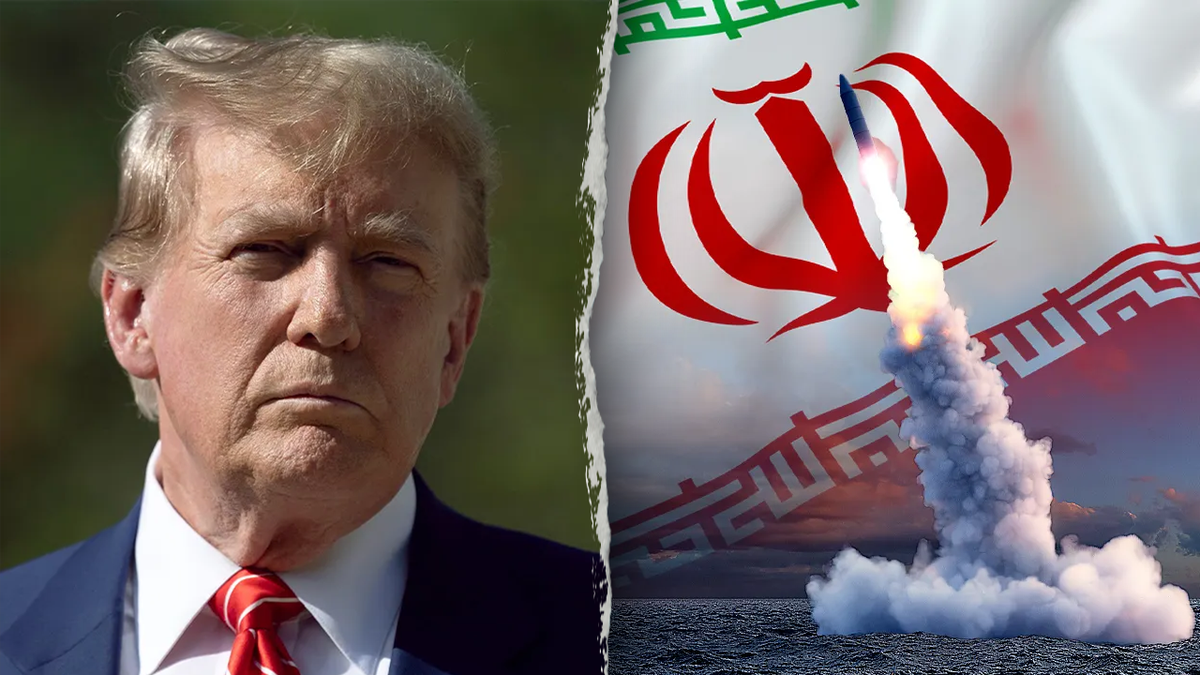
Donald Trump thought Iran would fold within weeks. He was wrong. Instead of a quick surrender or a regime collapse, the current U.S.-Israeli military campaign has pushed Tehran into a corner where the only way out is to fight back. When you look at the recent strikes on Iranian civilian infrastructure and the assassination of top leadership, you're not seeing a masterclass in diplomacy. You're seeing what many experts, including Foad Izadi from the University of Tehran, describe as a series of reckless actions driven by a desire for media optics and personal political points.
It’s not just a matter of "toughness." The reality on the ground in April 2026 is that the U.S. is hitting power plants and bridges—targets that international law usually protects. When you take out the electricity for millions of people, you aren't just hitting the government. You're hitting the person trying to keep their fridge running or the hospital trying to keep ventilators on. If you enjoyed this article, you might want to check out: this related article.
The Problem with Targeting Civilian Infrastructure
Targeting a nation's power grid is a massive gamble that rarely pays off the way planners think it will. Trump recently bragged about "obliterating" certain sites, even threatening to send Iran back to the "stone age." But history shows that when you destroy a people's ability to live their daily lives, they don't always turn on their leaders. Often, they rally around the flag because they have no other choice.
- The B1 Bridge Strike: This wasn't a hidden military bunker. It was a piece of infrastructure near Tehran.
- Electric Plants: Hitting these directly affects water sanitation and healthcare, moving the conflict from a "military operation" to something that looks a lot like collective punishment.
International law experts have been sounding the alarm for days. Over 100 legal scholars from places like Harvard and Yale just released a statement warning that these strikes likely violate the UN Charter. They point out that even if a power plant has some "military use," the harm to civilians is almost always disproportionate. When the U.S. ignores these rules, it doesn't just hurt Iran—it destroys the very rules the U.S. relies on to protect its own people and interests elsewhere. For another angle on this development, refer to the recent coverage from BBC News.
Is This About Security or Media Attention
Foad Izadi argues that Trump’s foreign policy isn't actually about long-term regional stability. It’s about the next news cycle. In his view, the administration uses high-profile assassinations and "fire and fury" rhetoric to project strength to a domestic audience. If you can post a video of a massive explosion on social media and call it a win, you've "won" the afternoon, even if you’ve started a twenty-year war in the process.
Take the 2020 assassination of Qasem Soleimani and the more recent 2026 strikes on leadership. While these actions remove specific individuals, they don't remove the ideology or the institutional structure of the Iranian state. In fact, they usually create a "martyrdom" effect that makes it impossible for any Iranian politician to sit down and negotiate with Washington without looking like a traitor.
The Maximum Pressure Loop
We’ve seen this movie before. The "Maximum Pressure" campaign started in Trump's first term and has been revived with a vengeance in 2025 and 2026. The idea is simple: squeeze the economy until the government collapses or comes crawling to the table.
It hasn't worked.
- Economic Resilience: Iran has spent decades learning how to bypass sanctions and build a "resistance economy."
- Nuclear Incentives: When you tear up deals (like the JCPOA) and then start dropping bombs, you give the other side every reason to actually build a nuclear weapon as a survival tool.
- Regional Escalation: Every time a U.S. jet goes down or a tanker is hit in the Strait of Hormuz, the price of oil spikes globally. You're paying for this conflict at the gas pump.
Honestly, the idea that Iran is just one more "big strike" away from giving up is a fantasy. It ignores the last 40 years of history. The more the U.S. targets civilian life, the more it validates the hardliners in Tehran who say the West is out to destroy the Iranian people, not just their government.
What Happens When the Laws of War Are Ignored
When the U.S. administration bypasses Congress and ignores the Geneva Conventions, it sets a precedent that other countries—like Russia or China—are happy to follow. If the U.S. says it’s okay to hit power grids in Tehran, why shouldn't another country do the same in a different conflict?
We are seeing a shift where the "anti-assassination taboo" is basically dead. By treating high-ranking state officials like common terrorists on a battlefield, the U.S. has changed the rules of global politics. It makes every world leader a target, which leads to a much more dangerous and unpredictable world for everyone.
Breaking the Cycle
If you want to see a different outcome, the strategy has to change from "destruction for the sake of optics" to actual diplomacy.
- Re-establish Red Lines: There needs to be a clear understanding of what is a civilian target and what isn't.
- Congressional Oversight: The White House shouldn't be able to launch major strikes on a sovereign nation without a debate in the House and Senate.
- Engage with Reality: Stop assuming the Iranian public will do the job of regime change for the U.S. because their lights went out.
The current path isn't leading to a "better deal." It’s leading to a regional fire that nobody knows how to put out. If the goal is truly "America First," then getting dragged into another endless Middle Eastern war over a bridge and some social media likes is the worst possible way to achieve it.


