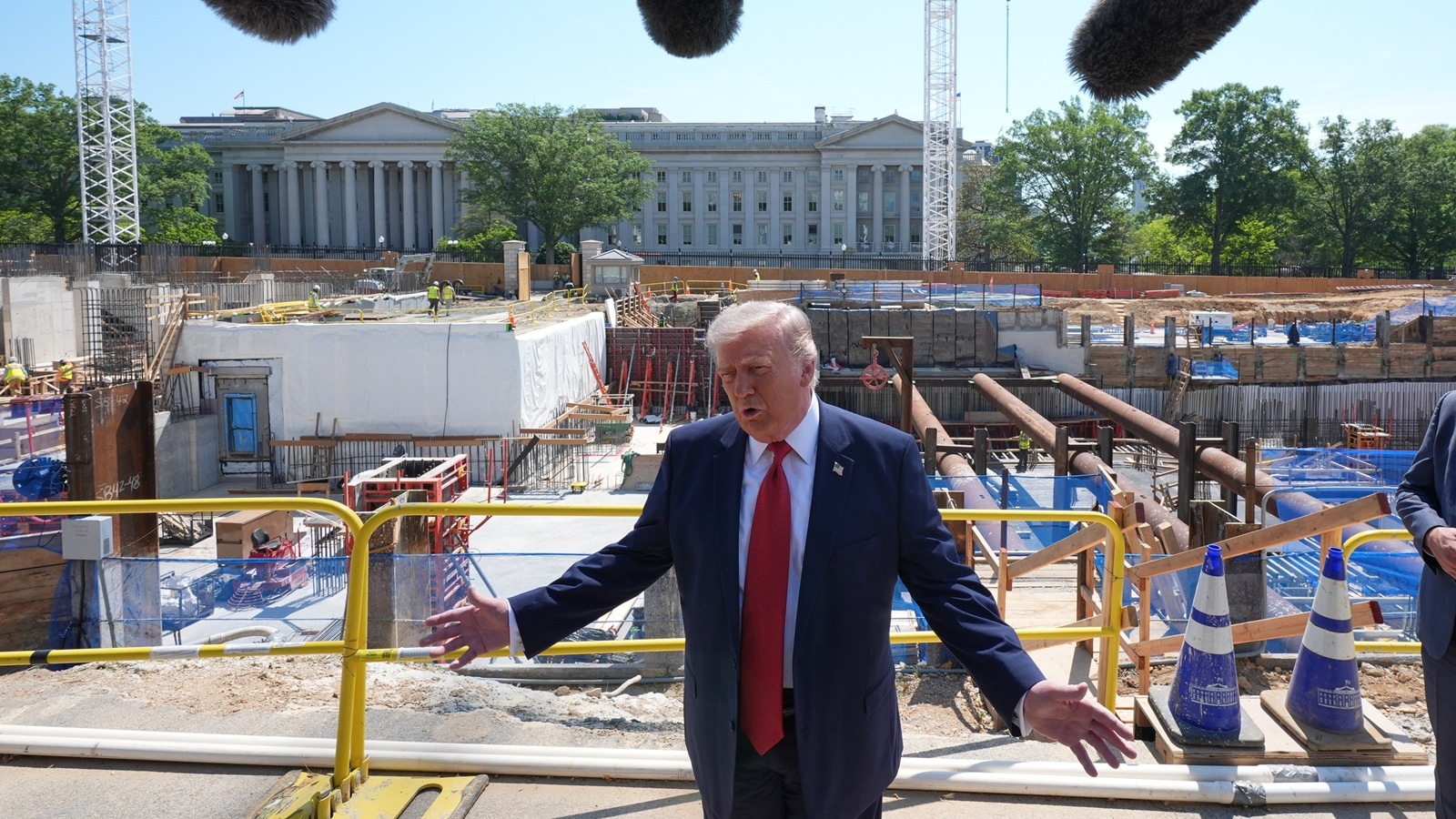
Donald Trump just told reporters at the White House that he came within sixty minutes of launching a devastating military assault on Iran. The attack was scheduled for Tuesday. Then, he called it off. According to the president, Washington paused the operation at the absolute last minute because Gulf allies begged for more time to negotiate, claiming Tehran is literally begging for a deal.
If this sounds like a movie script, that's because it's vintage Trump diplomacy. It's high-stakes brinkmanship where the line between total war and a historic peace agreement shifts by the hour.
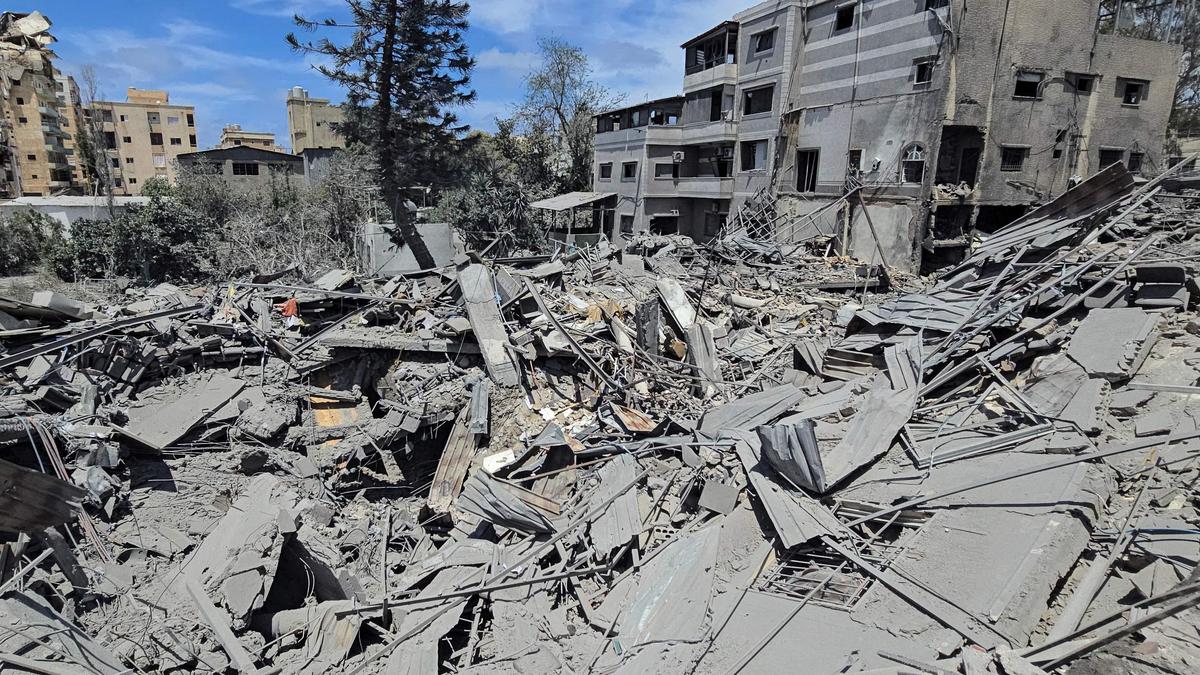
The baseline reality is simple. The fragile ceasefire reached on April 8 is on life support. U.S. forces and Iranian units have already exchanged direct fire. While Iranian state media quickly dismissed the aborted strike as a coward's retreat, the underlying economic and military realities tell a very different story. Tehran is trapped under a crushing naval blockade, global energy markets are wildly swinging, and the threat of a massive regional war is closer than most people care to admit.
The Sixty Minute Countdown and the Gulf Intervention
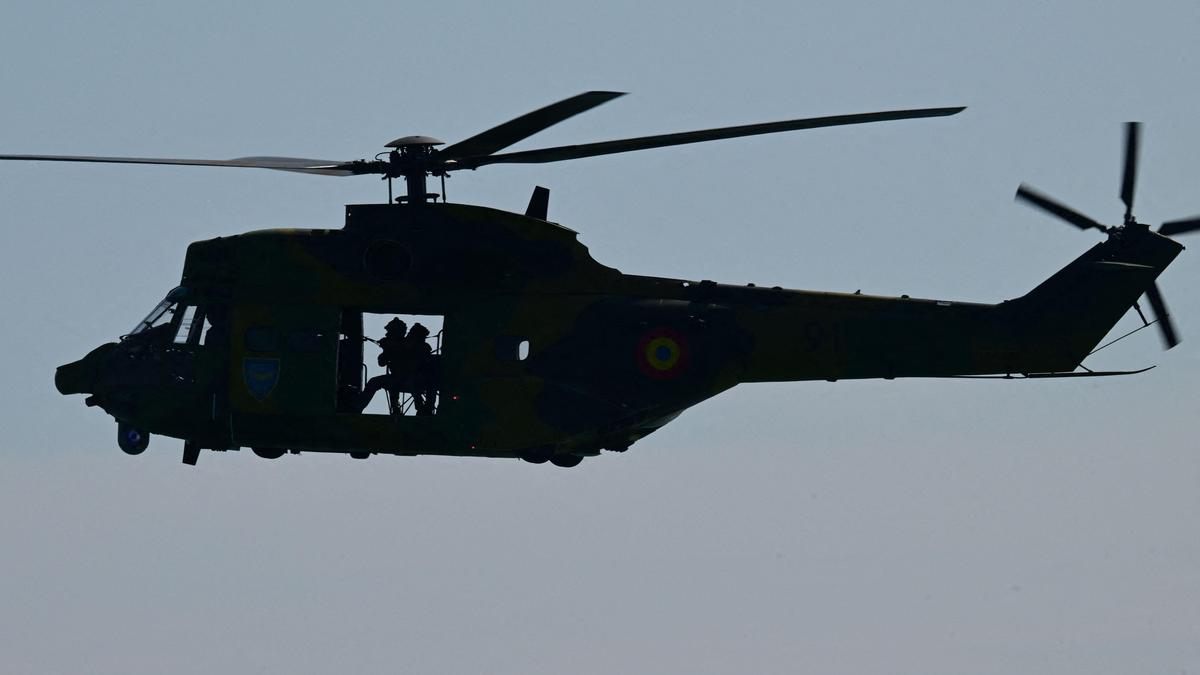
Trump made it clear that the U.S. military was fully locked and loaded for a large scale assault. He openly stated he was just an hour away from greenlighting the strikes before postponing them for a window of two to three days.
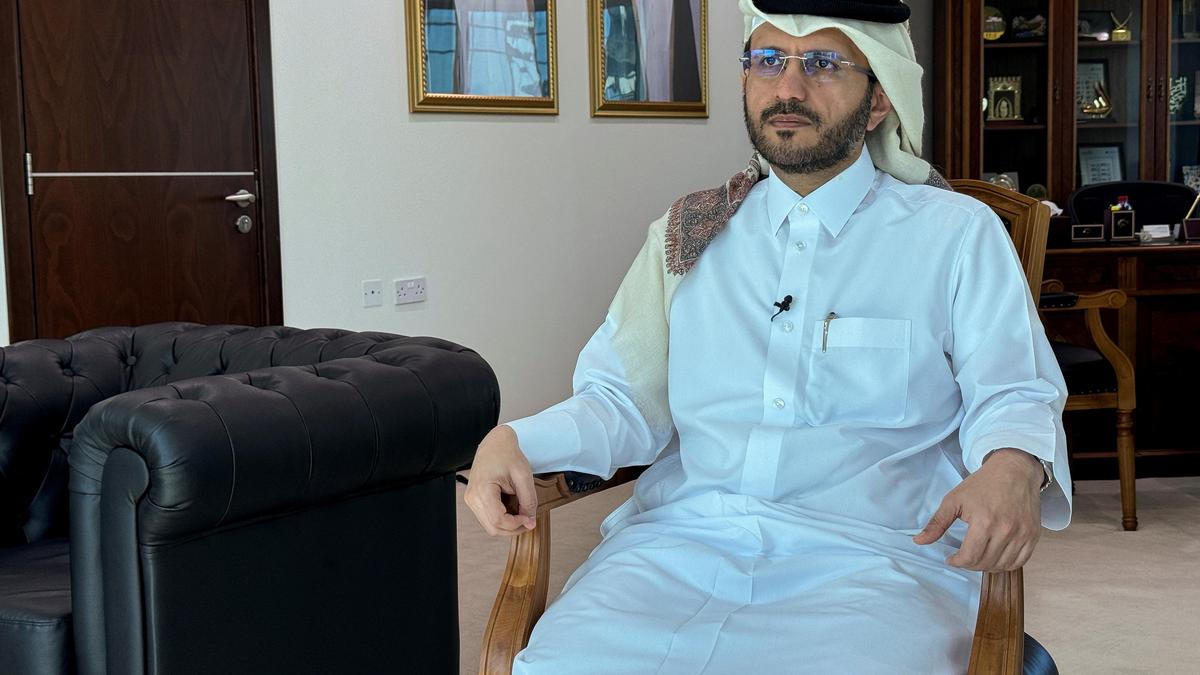
The official reason for the pause? Direct appeals from the leaders of Saudi Arabia, the United Arab Emirates, and Qatar.
Middle Eastern allies are caught in the crossfire of this economic and military showdown. Over the weekend, the UAE intercepted six hostile drones targeting its territory, linking the attacks to regional proxies operating out of Iraq. Meanwhile, Saudi Arabia reported intercepting three drones. The threat of regional escalation isn't a theoretical risk for these nations. It's happening on their borders. They desperately need the diplomacy to work because if American bombs start falling on Tehran, the counter-strikes will land on Gulf infrastructure.
By putting the strike on ice until the weekend, Trump is placing the ultimate pressure test on Iranian negotiators. He wants the world to know he's willing to walk away from the table and head straight to the war room.
What is Actually in the Secret Peace Proposal
Tehran sent a fresh peace proposal to Washington through regional intermediaries. Trump initially dismissed earlier iterations of these talks as absolute garbage, but the latest package forced a temporary operational pause.
Iran is desperate to break the current U.S. naval blockade. U.S. Central Command confirmed that its forces have intercepted and redirected at least 85 commercial vessels trying to access Iranian ports. This stranglehold, combined with Treasury Secretary Scott Bessent’s aggressive new sanctions targeting Amin Exchange and Iran's shadow banking networks, has choked the country’s economy to a gasp.
The Iranian proposal reportedly includes genuine nuclear concessions regarding their uranium stockpile. Turkey's Foreign Minister Hakan Fidan confirmed that while keeping the Strait of Hormuz open is the immediate logistical crisis, the core issue remains Iran's nuclear enrichment capabilities.
But the Iranian regime isn't just folding its hands. They're demanding steep prices for peace:
- Total lifting of the current naval blockade and economic sanctions.
- The immediate release of billions in frozen global assets.
- The complete withdrawal of American forces from the immediate theater.
- Direct financial reparations for wartime damages.
Trump’s public response remains rigid. He reiterated that a renewed strike will happen by Friday or early next week if these parameters don't dramatically shift. The U.S. bottom line hasn't changed. Iran cannot and will not be permitted to obtain a functional nuclear weapon.
The Strategy of Shifting Deadlines
Critics claim Trump is caught in a cycle of empty bluster, setting hard deadlines only to extend them when the clock runs out. He used the exact same playbook at the start of this war, hinting at diplomatic patience before suddenly unleashing heavy airstrikes in late February.
This isn't erratic behavior. It's a calculated strategy designed to keep the adversary entirely off-balance. By changing the terms, shifting the deadlines, and publicly claiming the enemy is begging for terms, the administration strips Tehran of any ability to plan a cohesive defensive or diplomatic strategy.
The economic impacts of this psychological warfare are immediate. The moment Trump posted about the paused strike and the ongoing serious negotiations, Brent crude futures instantly plunged over $2 a barrel, sliding down toward $107 after hovering perilously close to $112. The global economy is reacting in real-time to the president's social media feed.
Tehran Hidden Cards and the Threat of New Fronts
Don't mistake Iran’s willingness to negotiate for absolute surrender. The regime is cornered, which makes them incredibly dangerous. Following Trump's latest warnings, Iranian army spokesperson Mohammad Akraminia delivered a blunt counter-threat through the state-run ISNA news agency. He warned that if Washington falls into what he called a Zionist trap and resumes active bombing, the Iranian military will immediately open entirely new fronts of war using unreleased equipment and tactics.
What do those new fronts look like in practice?
- The Total Closure of the Strait of Hormuz: Iran has already implemented a rogue transit authority demanding maritime fees and military clearance for ships. A full kinetic closure would trigger a massive global supply shock.
- Asymmetric Proxy Operations: Escalating drone and missile strikes via proxy networks against Gulf energy grids and shipping lanes.
- Subsea Infrastructure Sabotage: Targeting international communication cables and pipelines running through the Persian Gulf.
Furthermore, the geopolitical geometry has shifted. Trump recently engaged in high-level discussions with Chinese President Xi Jinping regarding the theater. While Trump claims Xi personally promised that Beijing would not supply weapons to Tehran, China remains a massive systemic consumer of Iranian oil, utilizing sophisticated shadow fleets to bypass western blockades. NATO officials are already holding quiet, tense consultations about deploying alliance forces directly to the Strait of Hormuz if international commercial shipping remains permanently compromised.
The Immediate Timeline for Escalation
The current diplomatic pause is exceptionally short. We are looking at a hard window that expires over the weekend. If the current backchannel negotiations mediated by Gulf nations fail to produce a verifiable framework for nuclear rollbacks and the permanent reopening of shipping lanes, military action is the default alternative.
Watch the global energy markets and troop movements over the next 48 hours. If Brent crude spikes back past $112, it means traders have lost faith in the backchannels. If the administration doesn't announce a formal diplomatic breakthrough by Sunday, expect the American military to execute the large-scale kinetic options currently sitting on the president's desk. The clock isn't just ticking for Tehran. It's running out for the entire region.