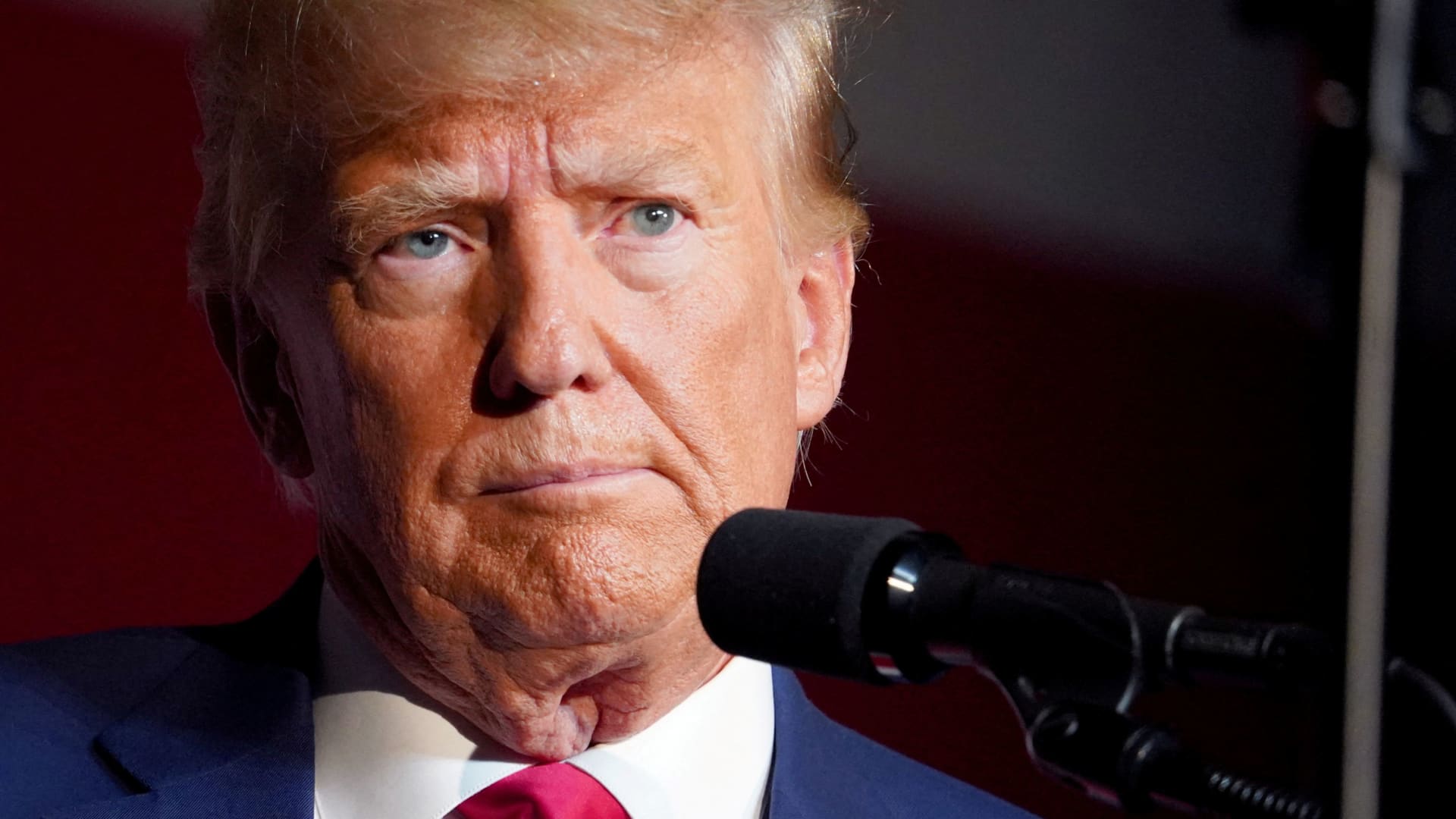
The siren blared in the middle of a Wednesday night, but it wasn't an air raid. It was the presidential seal appearing on every screen in America. President Donald Trump just wrapped up a 19-minute primetime address from Cross Hall, and if you were looking for a clear exit ramp from the month-long conflict in Iran, you probably walked away with more questions than answers.
People are searching for "key takeaways" because the messaging was a rollercoaster. On one hand, Trump says we've basically won. On the other, he’s promising to hit Tehran so hard they’ll be sent back to the "Stone Age" over the next three weeks. It’s classic Trump—declaring total victory while simultaneously revving the engine for more. For a different perspective, consider: this related article.
The Mission Accomplished Moment
Trump’s main pitch tonight was simple: Operation Epic Fury has done its job. He didn't use the words "Mission Accomplished," but he came about as close as you can without a flight suit and a banner. He claimed the Iranian navy is "absolutely destroyed," their air force is "gone," and their missile program is "beaten."
According to the President, the core strategic objectives—neutralizing Iran’s ability to project power and stopping their nuclear program—are "nearing completion." He’s framing this 32-day campaign as a "powerful, brilliant" success compared to the "forever wars" of the past. Similar coverage on this matter has been published by The New York Times.
But here’s what he’s not saying: while the Iranian military might be "eviscerated" on paper, the ground reality is a mess. Thousands have died since the strikes began on February 28, and the Strait of Hormuz remains effectively closed. If the navy is "gone," why is the world's most important oil chokepoint still a no-go zone?
Gas Prices and the Strait of Hormuz Standoff
If you've filled up your tank this week, you know why this speech happened. Gas has surged past $4 a gallon. Trump spent a significant chunk of time trying to deflect that pain. He blamed the "short-term" spike on Iranian aggression and insisted the U.S. is still energy independent, which feels like a tough sell when people are watching the digits on the pump spin like a slot machine.
The President claimed Iran asked for a ceasefire, but he’s holding out. His condition? Reopen the Strait of Hormuz.
- The Trump Stance: "We have all the cards. They have none."
- The Iran Response: Tehran’s foreign minister already called the ceasefire claim "false and baseless."
Honestly, it feels like a game of chicken where both sides are claiming the other person blinked first. Trump even took a swipe at our allies, telling nations dependent on Middle Eastern oil to "grab it and cherish it" themselves. He’s essentially telling Europe and Asia that if they want their oil, they need to start helping with the heavy lifting.
The Two Week Warning
The most confusing part of the speech was the timeline. Trump told us we’d be out of there "pretty quickly"—maybe two to three weeks. But in the same breath, he promised to "intensify operations" during that window.
This isn't a wind-down; it’s a crescendo.
He’s betting on a "burn the ships" strategy. By threatening to "blast Iran into oblivion" over the next 21 days, he’s trying to force a surrender before the political pressure at home becomes unbearable. He mentioned the 13 American "warriors" lost in this fight, a somber reminder that while he calls this "brilliant," the cost is real and growing.
NATO and the Paper Tiger Rhetoric
If you thought the war would bring the West together, Trump’s speech suggested the opposite. He didn't even mention NATO in the formal remarks, but we know from his recent Reuters interview that he’s "absolutely without question" considering pulling the U.S. out. He called the 77-year-old alliance a "paper tiger."
This is a massive shift. While JD Vance is reportedly behind the scenes trying to negotiate a way out, Trump is using the primetime stage to tell our oldest allies that their lack of support in Iran might be the final straw for American membership in NATO.
What Actually Happens Next
Don't expect the bombs to stop falling tomorrow. Based on tonight's rhetoric, here is what you should actually watch for:
- Market Volatility: Asian markets already took a dive after the speech. Expect the S&P 500 to be jumpy as investors try to figure out if "two weeks" is a real deadline or a slogan.
- The Hormuz Factor: Watch for any movement of commercial tankers. If a few get through, Trump will claim a win. If they don't, expect those "Stone Age" strikes to ramp up.
- Diplomatic Backchannels: Despite the tough talk, the mention of "ongoing discussions" confirms that the real war is happening at the negotiating table in Oman, not just in the skies over Tehran.
The "key takeaway" isn't that the war is over. It's that Trump is ready to declare it over so he can stop the bleeding—both in terms of gas prices and his approval ratings—even if the job isn't actually done. He’s looking for the exit, but he’s determined to leave the biggest crater possible on his way out.
Keep an eye on the gas pump and the headlines out of Muscat. That’s where the real end-game is being written.