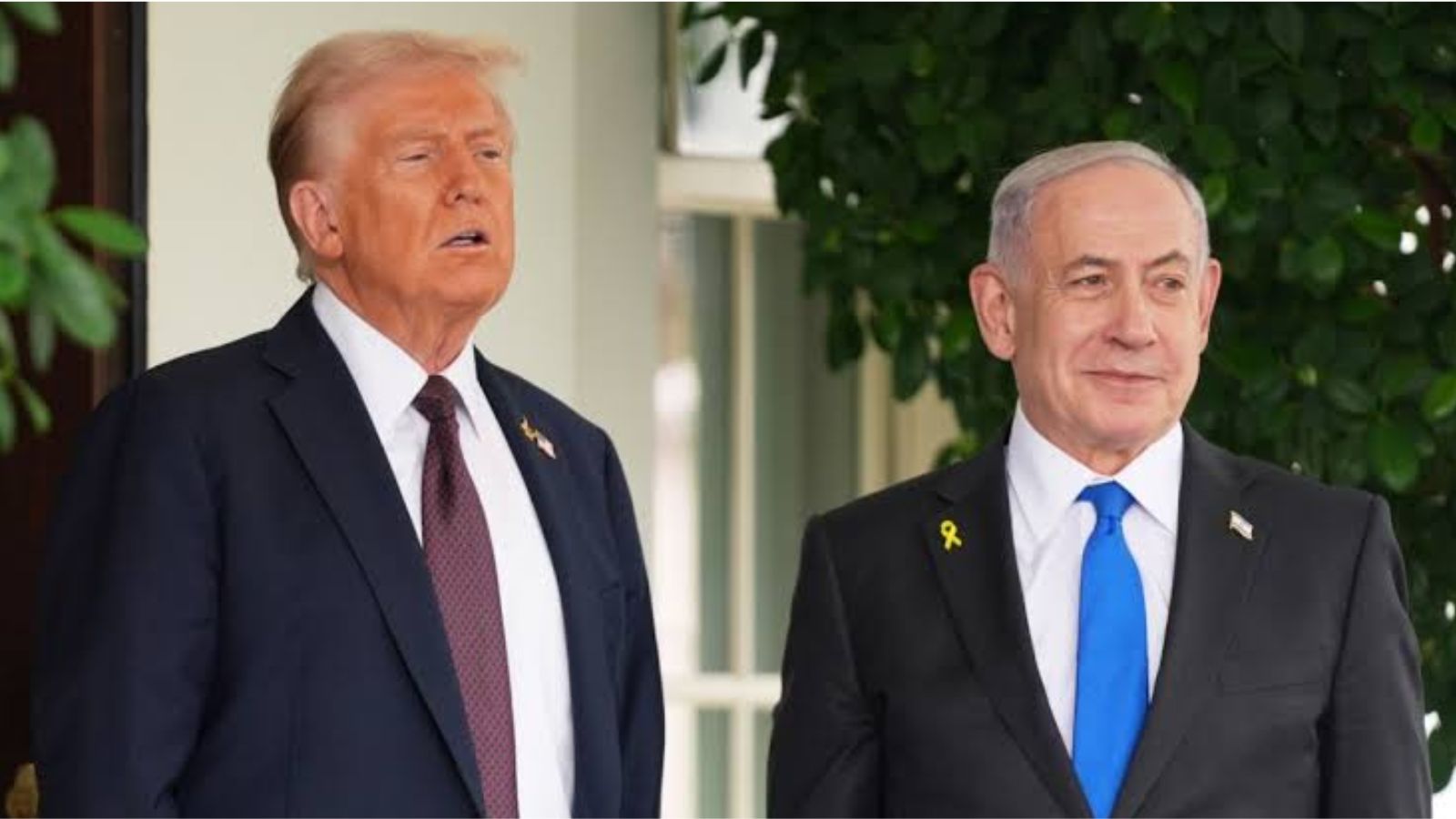
You can't sue the wind. You can't put a customs checkpoint in the sky. Yet, Donald Trump thinks you can tax the smoke crossing the border.
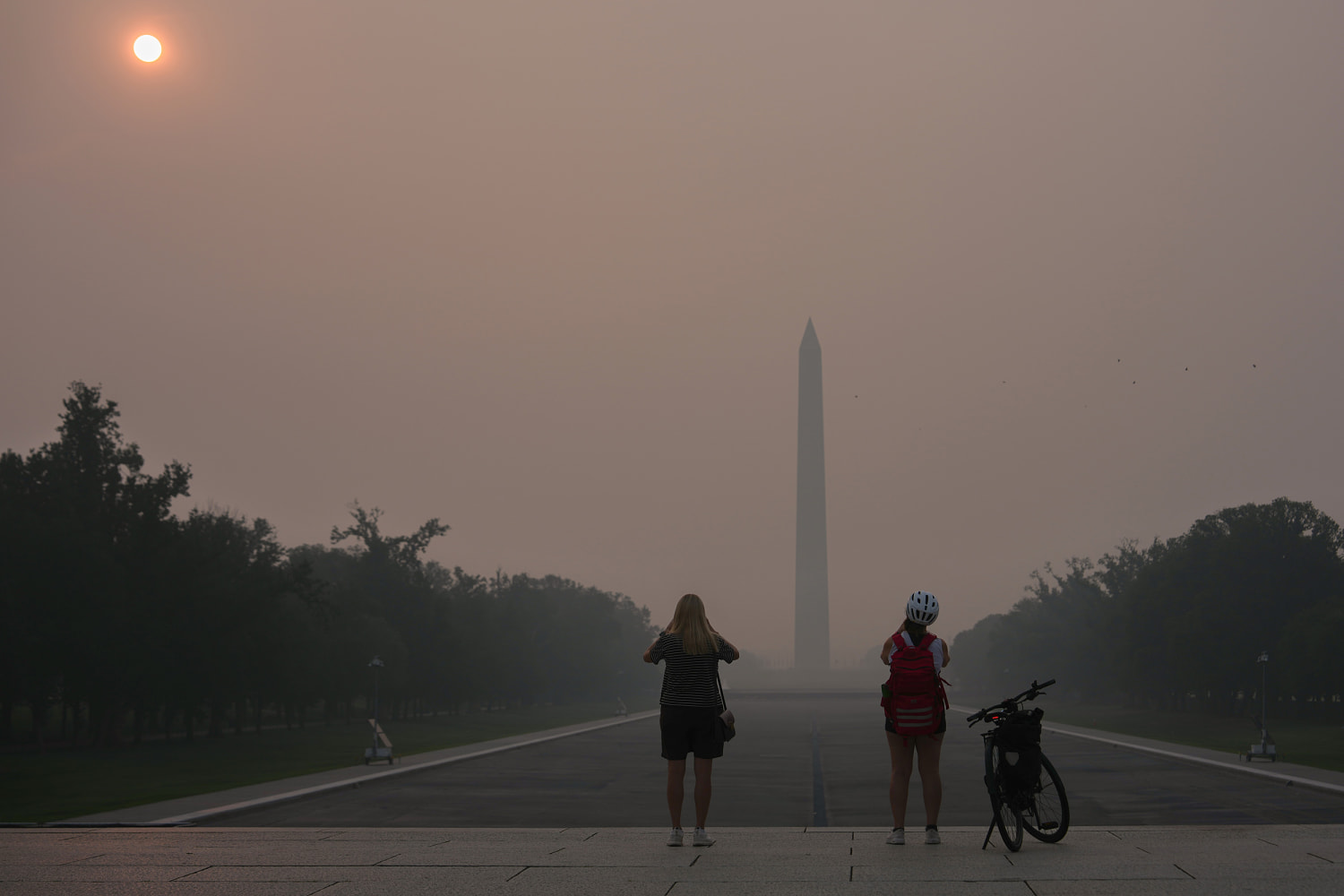
On Friday, thick clouds of acrid gray smoke from nearly 850 active Canadian wildfires rolled across the American Midwest and Northeast. Cities like Detroit and Chicago registered some of the worst air quality metrics on the planet. Instead of offering standard political platitudes, Trump hopped onto Truth Social to issue an ultimatum to Ottawa.
He wants to charge Canada for the bad air.
Trump blasted the Canadian government for what he termed "willful negligence" in managing its forests and brush. He declared that the United States is being "unnecessarily invaded by filthy, polluted, and unhealthy air". His solution to this atmospheric invasion? Calculating the "incalculable" financial damage of the pollution and tacking it directly onto the import tariffs Canada currently pays.
It sounds tough. It plays great to a frustrated domestic audience coughing through code-purple air alerts. But economically and legally, it's a complete mess.
The Legal Wall Blocking Smoke Tariffs
The biggest issue with Trump's threat isn't the absurdity of taxing a cloud. It's that he likely lacks the legal power to do it.
During his first term, Trump wielded tariff powers like a sledgehammer by invoking national security emergencies under Section 232 of the Trade Expansion Act. He can't do that easily anymore. Earlier this year, the U.S. Supreme Court delivered a massive blow to the executive branch, ruling that the president cannot use broad emergency powers to unilaterally levy trade duties. This decision effectively stripped the White House of its favorite economic coercion tool.
Right now, the administration is running on a global 10% tariff enacted under narrower procedural laws, and even that is ticking down toward its expiration date. White House spokesperson Kush Desai insisted the president has "numerous tariff powers at his disposal," but the administration notably failed to name a single specific law that lets you tax a neighbor for a natural disaster.
Why Forestry Management Isn't That Simple
Trump's core argument is that Canada just needs to rake its forests and clear out the brush. A handful of congressional Republicans from border states have backed him up, writing letters to Canadian officials stating they are "done accepting apologies" while American lungs pay the price. Ohio Senator Bernie Moreno even floated the idea of outright sanctions.
This view completely misunderstands the geography of the Great White North.
Canada isn't a manicured suburban park. The vast majority of these 200-plus out-of-control blazes are tearing through remote boreal forests in places like northern Ontario. These are millions of acres of wilderness with zero road access. Dr. Patrick James from the University of Toronto pointed out the obvious reality: weather doesn't care about international borders. Forest management techniques help protect towns and infrastructure, but they can't stop lightning from sparking a fire in a wilderness area hundreds of miles from civilization.
Canadian Prime Minister Mark Carney fired back subtly, reminding Washington that extreme weather is a shared global issue. He noted that fighting climate change requires both nations to cooperate, a quiet dig at the U.S. pivot away from clean energy initiatives. Meanwhile, Ontario Premier Doug Ford bypassed the rhetoric entirely, telling American politicians to stop "chirping" about the smoke and send more firefighters to help contain the lines.
The Real Fallout for American Businesses
Let's assume the administration finds a legal loophole and slaps a "smoke tax" on Canadian goods. Who actually wins?
Nobody. Canada is the second-largest trading partner of the United States. While the U.S.-Mexico-Canada Agreement (USMCA) protects most goods from standard duties, relations are already incredibly fragile. U.S. Trade Representative Jamieson Greer recently indicated the White House is skipping a long-term renewal of the USMCA in favor of rolling, short-term talks.
Dumping arbitrary environmental tariffs into this mix will destroy those negotiations before they even start. If history is any guide, Canada won't just sit there and take it. Last year, Ottawa was one of the few global governments to immediately implement aggressive retaliatory tariffs against American products following Trump’s "Liberation Day" levies.
If a trade war ignites over wildfire smoke, American consumers will end up paying higher prices for Canadian lumber, energy, and automotive parts. You won't get cleaner air; you'll just get more expensive groceries and building materials.
If you are a business owner relying on cross-border supply chains, don't panic over immediate border shutdowns, but start baking policy volatility into your budget. Diversify your sourcing where possible, keep a close eye on the upcoming USMCA rolling reviews, and brace for a rocky year of political theater that has everything to do with optics and very little to do with actual trade law.