The foreign policy establishment is currently locked in a collective panic attack. Mentioning Donald Trump in the same sentence as the Nobel Peace Prize is enough to trigger diplomatic aneurysms across Washington, Brussels, and Oslo. The lazy consensus among mainstream pundits is simple: peace requires multilateral institutions, orthodox diplomatic channels, and polite communiques drafted by career bureaucrats. Anyone operating outside that echo chamber is automatically disqualified.
That perspective isn't just predictable; it's dangerously obsolete.
To understand why the debate surrounding the 2026 Nobel Peace Prize nominations misses the mark entirely, we have to dismantle how modern international conflicts are actually resolved. The conventional view assumes that peace is a product of process—endless summits, bureaucratic consensus, and institutional inertia. But history tells a very different story. Breakthroughs rarely emerge from committee rooms where diplomats shuffle papers for decades; they happen when transactional pressure shatters deadlocks that polite consensus only ever managed to preserve.
Let's look at the actual mechanism of the Norwegian Nobel Committee. The criteria laid out in Alfred Nobel’s will reward those who have "done the most or the best work for fraternity between nations, for the abolition or reduction of standing armies and for the holding and promotion of peace congresses." Notice what is missing from that mandate: an insistence on polite etiquette or ideological purity.
When critics scoff at the very idea of unconventional leaders being nominated, they ignore a glaring historical truth. Traditional diplomatic methods have presided over some of the bloodiest stagnation of the twenty-first century. If an outsider bypasses the stagnant norms of traditional statecraft to freeze active conflicts or broker normalization deals—such as the Abraham Accords—dismissing those results because they lack a multilateral stamp of approval is ideological gatekeeping, not objective analysis.
Imagine a scenario where global stability is treated as an engineering problem rather than a moral beauty pageant. In engineering, you judge a system by its output, not by whether the blueprints were drawn by accredited academics. When state actors and regional leaders utilize direct, high-stakes leverage to force adversaries to the table, the resulting cessation of hostilities saves actual human lives. To argue that saving lives doesn't count because the mediator didn't use the correct institutional stationery is peak institutional narcissism.
This is where the E-E-A-T of global relations demands intellectual honesty. I have watched organizations and foreign policy think tanks burn millions of dollars generating pristine policy papers that achieve precisely zero on the ground. Meanwhile, raw, disruptive transactional diplomacy forces real-world compliance.
Of course, this contrarian approach has its glaring downsides. Transactional foreign policy can be erratic, unpredictable, and corrosive to long-term institutional trust. It trades systemic stability for short-term wins. But let's drop the pretense that the status quo is stable. The current multilateral architecture is fracturing under the weight of its own paralysis.
The real question isn't whether a populist firebrand fits the aesthetic profile of a traditional Oslo laureate. The question is whether we value the pristine comfort of our diplomatic traditions more than the messy, unglamorous mechanics of actual peace. Stop grading peace by how polite the negotiators are. Grade it by who goes home alive.
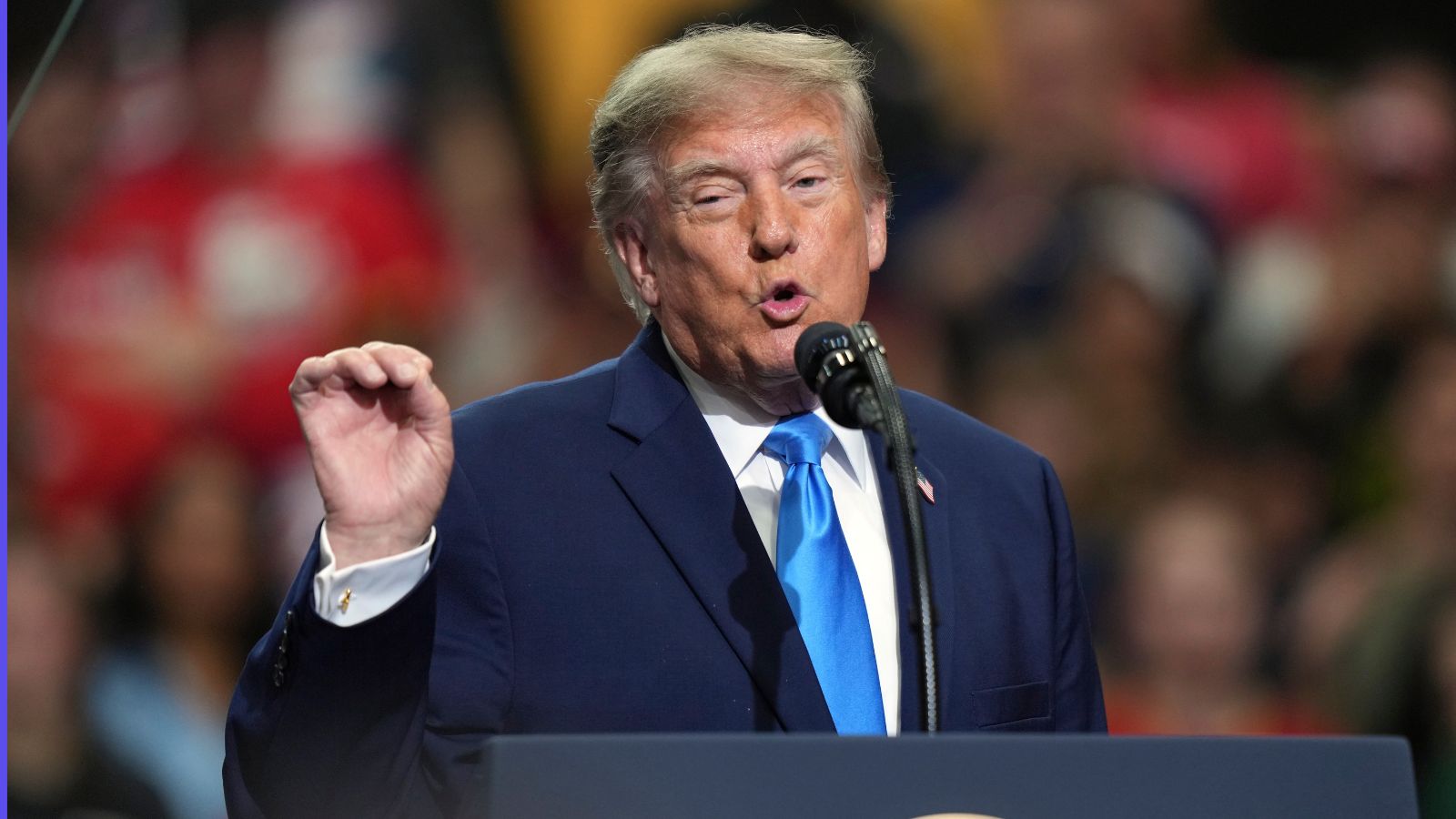
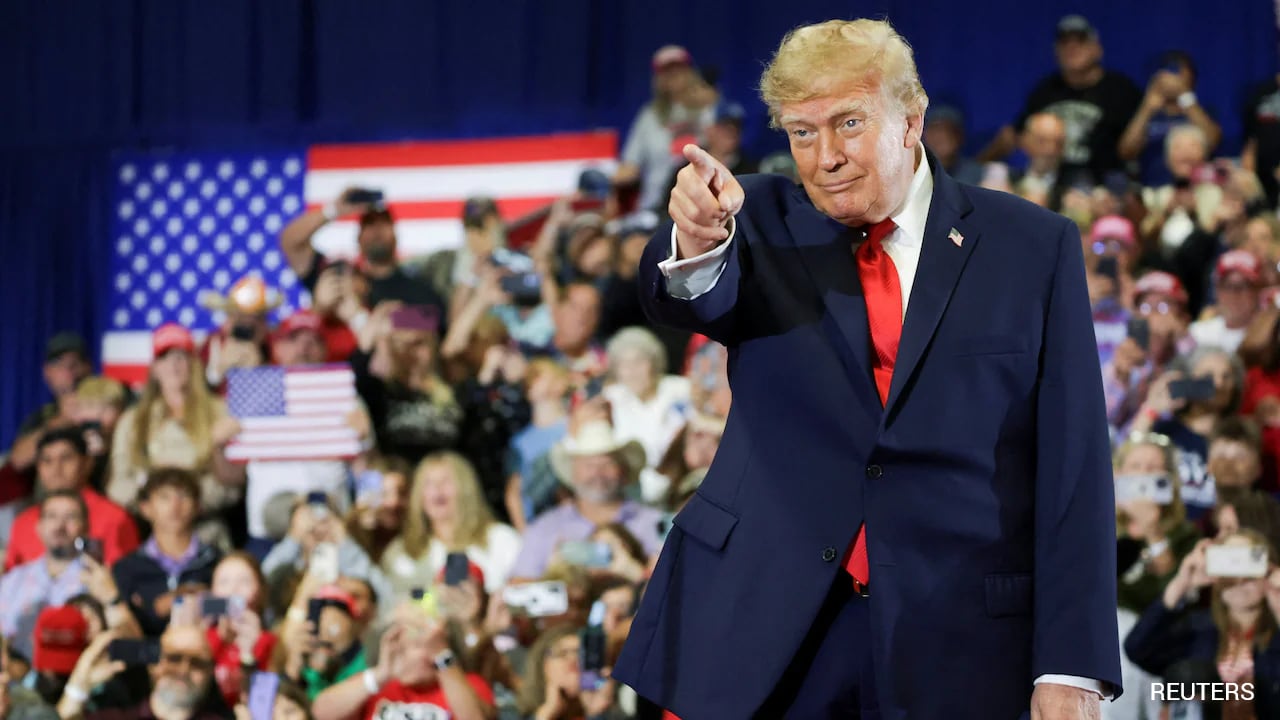
Donald Trump nominated for Nobel Peace Prize
This video provides an overview of the ongoing discourse and reactions surrounding Donald Trump's inclusion among the nominees for the Nobel Peace Prize.