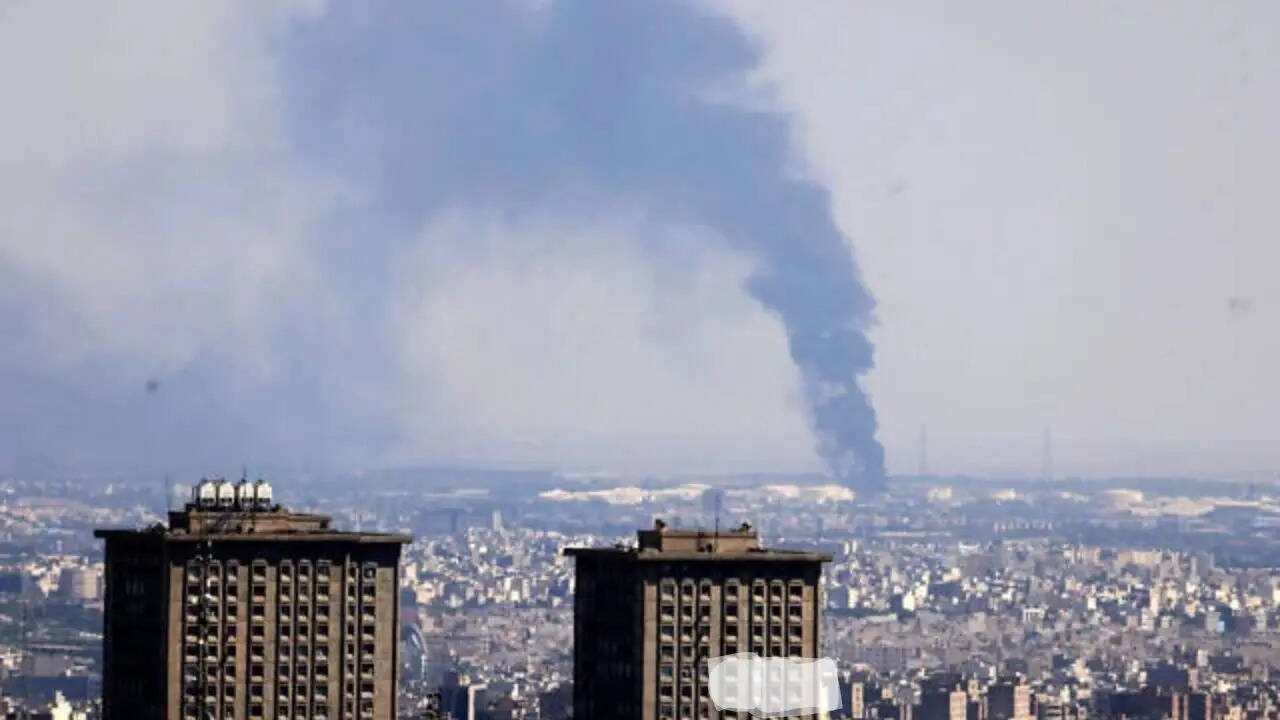
The tension in the Middle East just hit a fever pitch, and for once, Donald Trump is keeping his cards remarkably close to his chest. After reports surfaced that American aircraft were downed over Iranian territory, the White House has shifted into a defensive crouch that feels different from the usual bluster. It's not just about the hardware lost. It's about the humans currently unaccounted for in a landscape that has become a meat grinder of high-tech weaponry and old-school proxy violence.
When asked directly about the fate of missing crew members and what the U.S. would do if they were harmed, Trump’s response was uncharacteristically clipped. "I can't comment on it because we hope that’s not going to happen," he told reporters. That’s a far cry from the "fire and fury" rhetoric we’ve seen in the past. It signals a high-stakes rescue operation where any wrong word could be a death sentence for those on the ground.
The Search for the Missing F15 Crew
On Friday, April 3, 2026, an American F-15E Strike Eagle went down over Iran. This wasn't some remote drone or a mechanical failure in friendly airspace. This was a dual-role fighter jet—the workhorse of the U.S. Air Force—falling in enemy territory. While one crew member was successfully retrieved by U.S. forces and is currently receiving medical treatment, the second person remains missing.
The Iranian military didn't waste any time. State media quickly broadcast images of wreckage, claiming they’d bagged an F-35, though analysts later identified the debris as belonging to the 494th Fighter Squadron out of RAF Lakenheath. Tehran is even offering rewards to civilians who can help locate the missing airman. It’s a hunt, plain and simple.
- The Rescue Status: One pilot is safe in U.S. custody.
- The Unknown: The fate of the second crew member is currently the most sensitive piece of the puzzle.
- The Territory: The crash site is reportedly in the Khuzestan Province, an area heavily monitored by both sides.
Why the Silence Matters
Usually, a downed jet is a reason for an immediate escalatory threat. Not this time. Trump’s refusal to specify a course of action suggests that search and rescue (SAR) teams are likely already operating inside Iranian borders. You don't telegraph your moves when your Special Operations guys are currently creeping through hostile brush.
The President’s dismissive "It’s war. We’re in war" comment regarding the loss of the plane shows a shift in perspective. The equipment is replaceable. The diplomatic leverage tied to a captured American pilot, however, is a nightmare the administration is trying to avoid at all costs. If Iran parades a POW on television, the political calculus for the 2026 conflict changes overnight. It moves from a campaign of strategic strikes to a messy, emotional hostage crisis.
Strategic Strikes and Diplomatic Walls
While the search continues, the broader war isn't slowing down. U.S. and Israeli forces have been hammering Iranian infrastructure, specifically targeting bridges and power plants. The destruction of the B1 Bridge near Tehran was a massive blow to Iran's ability to move missiles toward western launch sites.
Trump has been blunt about the goal here. He wants a deal, and he’s using the Iranian economy as a punching bag to get it. But Iran isn't rolling over. Despite losing a significant chunk of their navy and production facilities, intelligence suggests nearly 50% of their drone and missile capabilities are still operational. They're still capable of "absolute havoc," as one official put it.
What This Means for the Next 48 Hours
The window for a "clean" rescue is closing fast. Every hour that passes without locating the second crew member increases the risk of them being captured by the IRGC or local militias.
If you're following this, watch for a sudden surge in air activity over Khuzestan. We've already seen reports of low-flying formations typical of air-to-air refueling. This indicates a massive "combat search and rescue" umbrella being maintained. If the U.S. can't find their person soon, the "no comment" stance from the White House will likely pivot into a much more aggressive ultimatum.
The reality is that we're one viral video of a captured pilot away from a full-scale ground intervention that no one—not even the most hawkish voices in Washington—actually wants. For now, the best move is to keep the pressure on the infrastructure and the silence on the SAR mission.
If you want to track the actual movement of these units, keep an eye on satellite imagery updates from the Khuzestan region and official CENTCOM briefings, though don't expect them to confirm anything until the "missing" status changes to "recovered." The next few days will determine if this conflict stays a "strategic air campaign" or turns into something much more personal and prolonged.