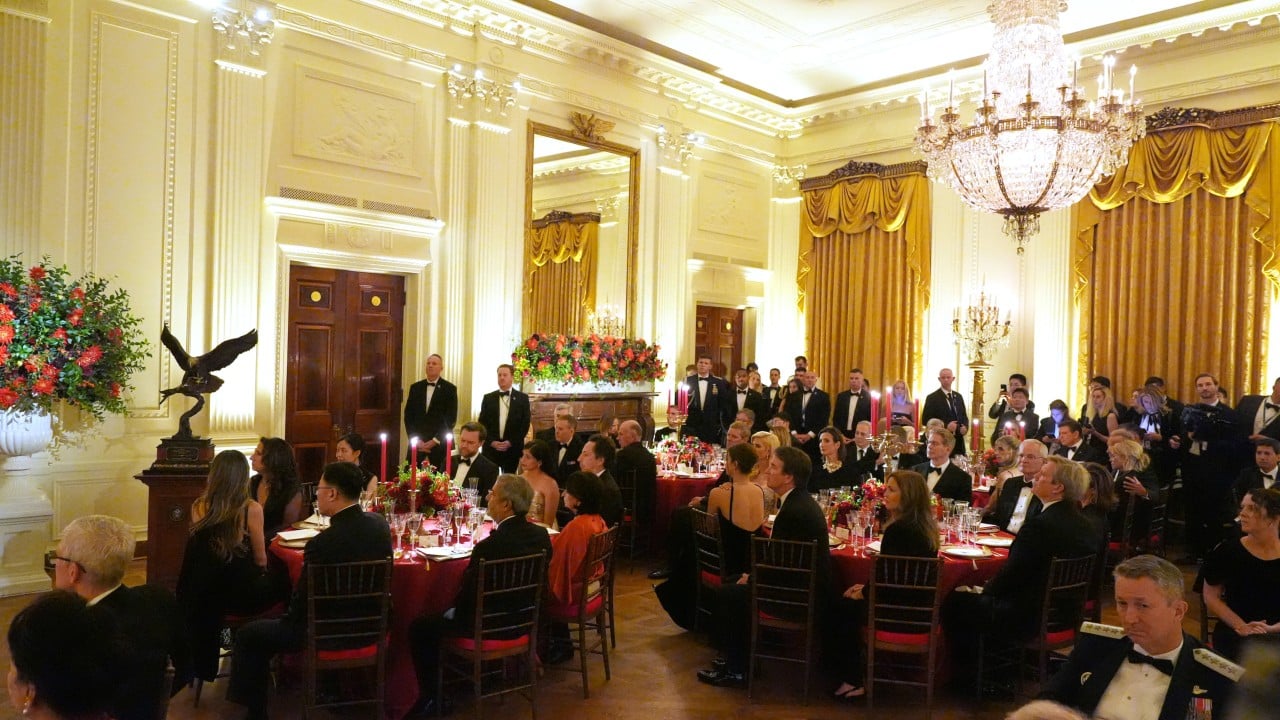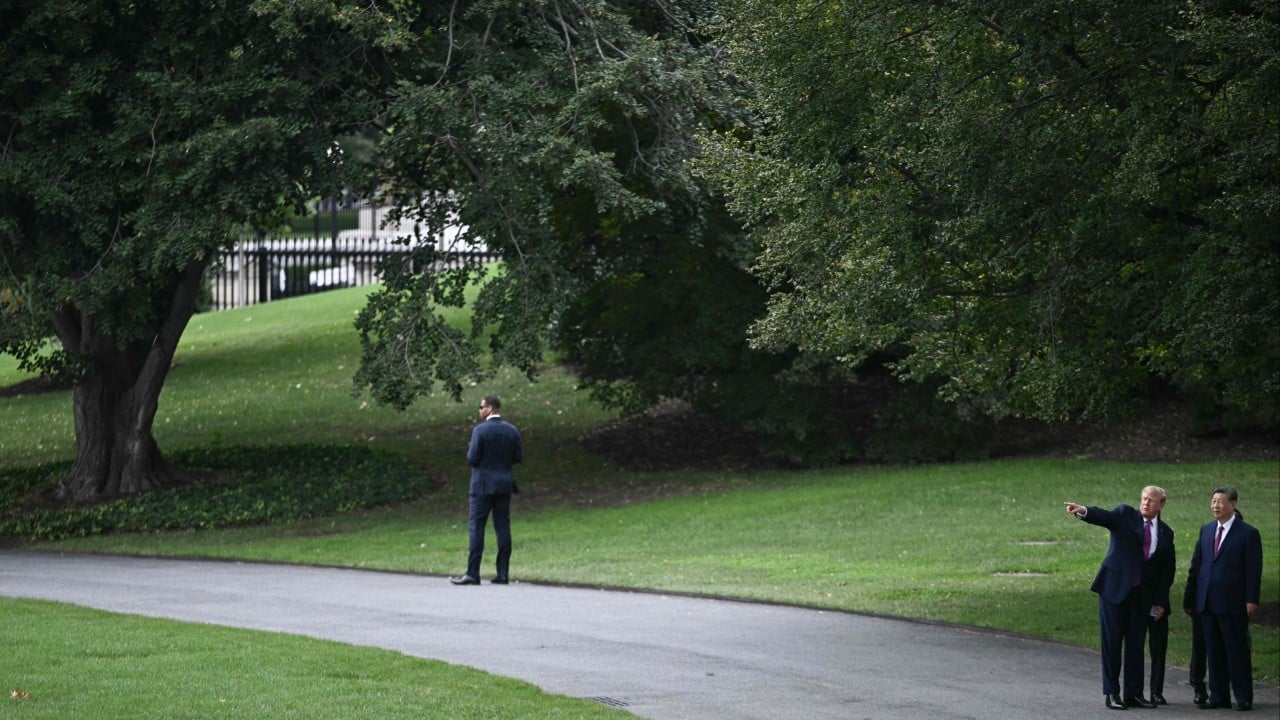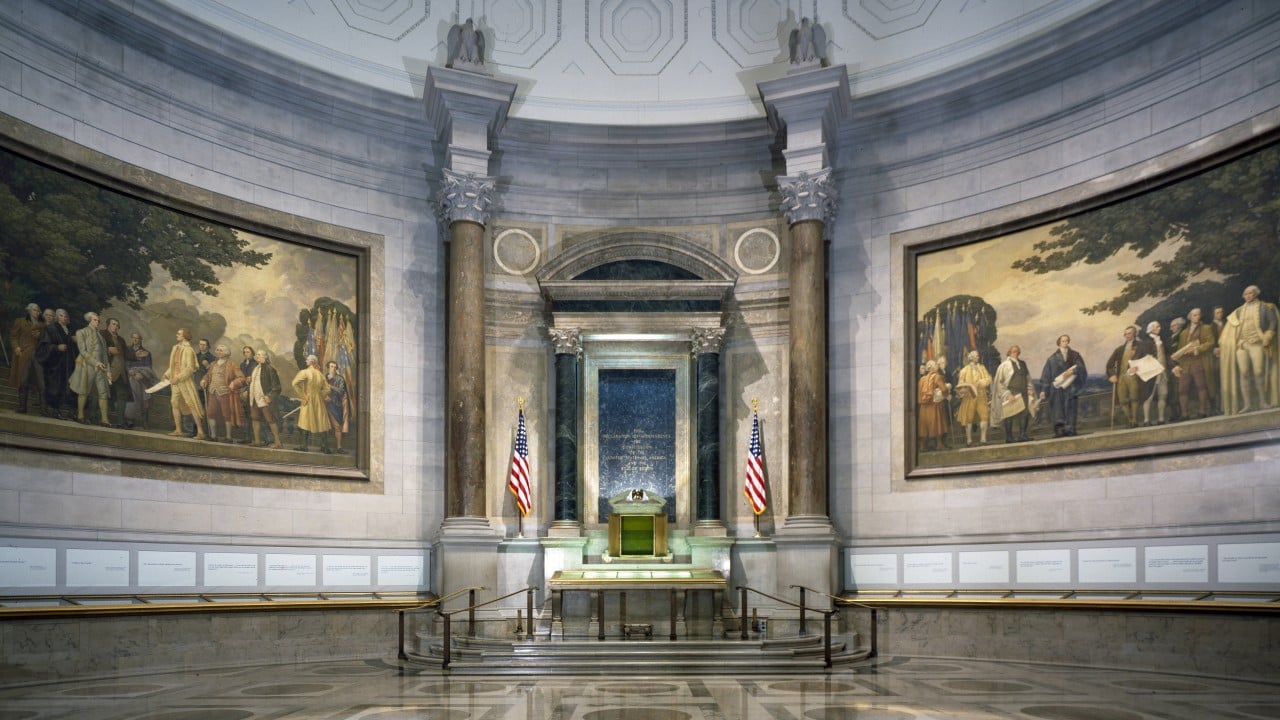
When world leaders visit Washington, the itinerary usually follows a rigid script. Bilateral talks in the Oval Office, stiff handshakes for the cameras, a grand state dinner, and a quick press conference before everyone boards their respective planes. But when Donald Trump hosted Chinese President Xi Jinping for a high-stakes state visit, they tossed out the traditional rulebook for their final stop.
Instead of wrapping things up behind closed doors at the White House, Trump and Xi traveled straight to the National Archives alongside First Lady Melania Trump. Critics brushed it off as a simple photo opportunity. They missed the underlying message entirely. Choosing the home of America's founding documents as the final chapter of a tense diplomatic summit sent a very specific, deliberate signal about history, leverage, and legacy.
The Power of Historical Subtext in Modern Diplomacy
Diplomacy is theater, and every location sends a message. When leaders meet, the backdrop matters just as much as the talking points. The National Archives houses the Declaration of Independence, the Constitution, and the Bill of Rights. It is the physical vault of American democratic identity.
Bringing the leader of the world's primary economic and geopolitical competitor into that specific building isn't standard protocol. It's a statement. Trump wanted Xi standing face-to-face with the foundational texts of the American experiment. It subtly anchors current trade disputes, technological competition, and military tensions in a much longer historical timeline. Nations change, administrations come and go, but the institutional framework remains.
Beijing understands symbolism as well as anyone. History isn't just a collection of old paper to Chinese leadership; it's a weapon of legitimacy. By walking through the rotunda, both leaders stepped outside the immediate friction of trade tariffs and regional security into a space defined by endurance.
Moving Past the Formal Agenda
The summit itself carried an immense weight. Trade truces were hanging in the balance, technological controls on artificial intelligence were a ticking clock, and deep disagreements over Taiwan loomed over every closed-door session. High-level meetings usually end with weary delegations eager to escape the negotiating table.
Ending at the National Archives broke that exhausting cycle. It shifted the physical environment from a workspace of conflict to a museum of collective memory. You cannot renegotiate chip supply chains or maritime boundaries under the rotunda glass. You can only look back at how past generations managed existential rivalries.
We often forget that summits are played for multiple audiences at once. There is the domestic crowd back home, the international media, and history itself. Trump and Xi knew that their respective handshakes would be analyzed by historians for decades. What better way to cement the gravity of the meeting than standing underneath the literal parchment that shaped the modern Western world?
What the Itinerary Change Tells Us About the Future
Details like this matter because they reveal how modern executive power operates. Leaders want to curate the final visual memory of a summit. A stiff departure on the South Lawn feels transactional. Walking through a national museum offers a humanized, reflective capstone.
Whether these high-level gestures translate into long-term stability remains to be seen. Trade pressures won't vanish because two leaders admired old documents. Yet, paying attention to these unconventional routing choices gives us a clearer read on the mindset at the top. They wanted to project staying power.
Next time you see an unusual stop on a state visit itinerary, don't write it off as tourist fluff. It's usually the most carefully scripted part of the entire trip.
Trump and China's Xi visit the National Archives on last day of summit
This news report provides direct footage and analysis of President Trump and Chinese President Xi Jinping touring the National Archives on the final day of their Washington summit.