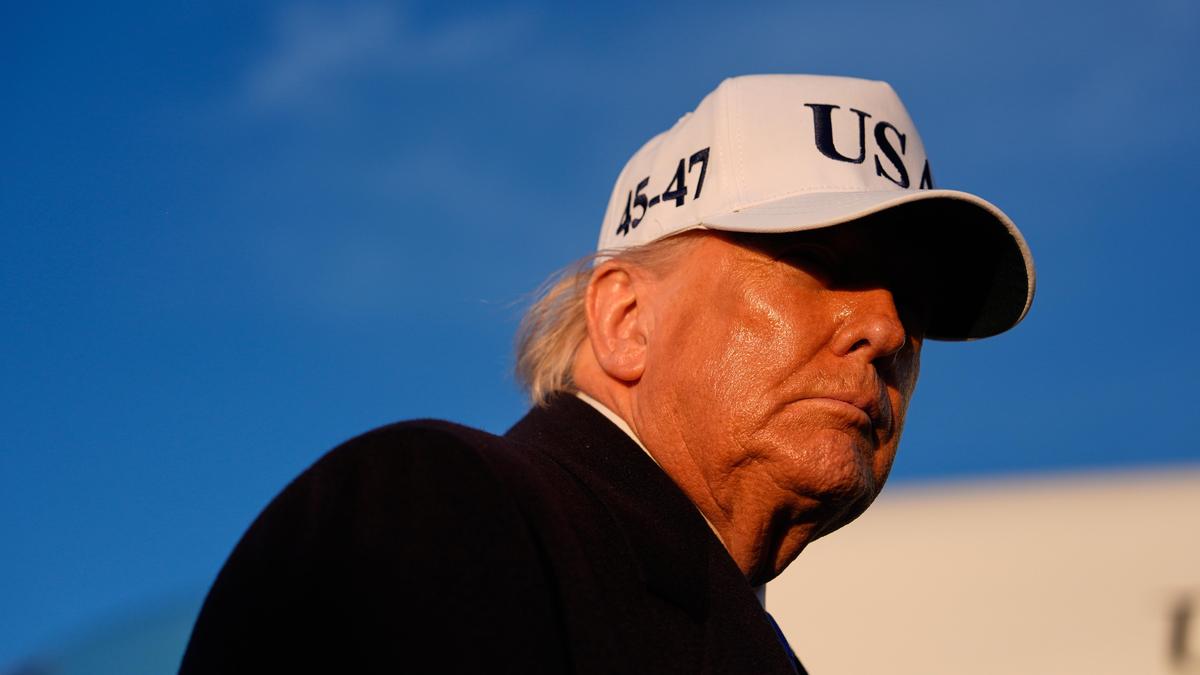
Donald Trump wants a global fleet to do what the U.S. Navy usually handles alone. Over the weekend, the President took to Truth Social to demand that countries like China, Japan, and the UK send их warships to the Strait of Hormuz. His logic? If you want the oil, you've got to protect the path. It sounds fair on paper. But in reality, it’s a high-stakes shove into a regional powder keg that’s already burning.
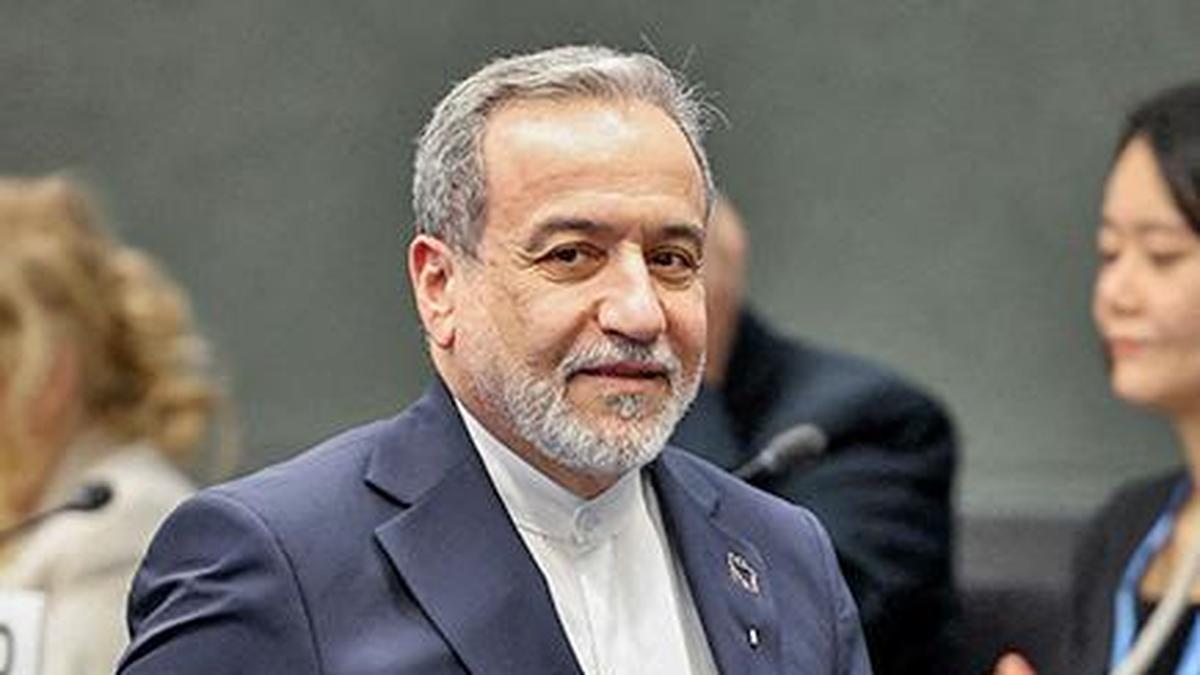
Iran isn’t sitting quietly. Foreign Minister Abbas Araghchi just warned that any country joining this "escort service" is essentially buying a ticket to a wider war. Tehran’s message is blunt: stay out of it or become a target. With oil prices up 40% since this latest conflict kicked off, the world is watching a game of maritime chicken where the losers are everyday drivers at the gas pump.
The Strategy Behind the Truth Social Diplomacy
Trump isn't just asking for help; he's attempting to offload the cost and risk of a war he’s already neck-deep in. By naming China, France, Japan, and South Korea, he’s putting them on the spot. He's telling them that the days of America being the world’s free security guard are over. It’s "America First" applied to naval warfare.
The U.S. military has already hit over 15,000 targets in Iran. We've seen Kharg Island bombed and Iranian naval assets sunk as far away as the Indian Ocean. Trump even told NBC News he might bomb Kharg Island again "just for fun." While that kind of rhetoric plays well with his base, it makes allies nervous. They aren't sure if they're joining a security mission or a chaotic brawl.
Why Allies are Dragging Their Feet
Don’t expect a massive international fleet to appear overnight. The responses from the "invited" nations have been lukewarm at best.
- The UK: Prime Minister Keir Starmer is playing it safe. London says they're "discussing options," but they’re clearly not eager to jump into a conflict that has already displaced millions in Iran.
- Japan: Under Prime Minister Sanae Takaichi, the legal bar for sending the Self-Defense Forces into a combat zone remains incredibly high.
- South Korea: They’re "monitoring" the situation. That’s diplomatic speak for "we’re hoping this goes away without us doing anything."
- China: This is the wildest card. Trump specifically asked China to help. Since China gets a massive chunk of its oil from Iran, they have a vested interest in the Strait being open. But would they really coordinate with a Trump administration that’s simultaneously hitting them with tariffs? It’s unlikely.
The Reality of a Blockaded Strait
Iran’s Revolutionary Guard (IRGC) claims the Strait of Hormuz isn't "blocked," just "under control." That’s a distinction without a difference for a tanker captain. If you’re not an ally of Iran, you’re not getting through without a fight. They’ve been using sea mines, drones, and fast-attack boats to turn the 21-mile-wide passage into a gauntlet.
The U.S. Navy recently decommissioned a class of minesweepers without having a solid replacement ready. That’s a massive tactical blunder. If Iran litters the Strait with cheap naval mines, even the most advanced destroyers in the world will have to move at a snail’s crawl. It doesn't matter how many warships you have if you can’t see what’s under the water.
Tehran’s New Leadership and the Fog of War
There’s a lot of talk about who’s actually in charge in Tehran. After the death of Ayatollah Ali Khamenei in late February, his son Mojtaba has supposedly taken the reins. Trump openly doubts the new guy is even alive, mostly because he hasn't been seen in public.
This uncertainty makes the situation more dangerous. When a regime feels backed into a corner and its leadership is questioned, it tends to lash out. Araghchi’s warnings about "reparations" and "guarantees" show that Iran is looking for a way out, but they won't do it while being actively bombed.
What This Means for Global Stability
This isn't just a Middle East problem. It's a "your wallet" problem. If the Strait stays closed or becomes a permanent battleground, $100-a-barrel oil will be a memory of the "good old days." We're looking at a fundamental shift in how global trade is protected.
Trump’s move to force allies into the fray is a test of his "Peace Through Strength" doctrine. If he succeeds in building a coalition, he changes the rules of global maritime security forever. If he fails, the U.S. is left holding a very expensive, very dangerous bag while the rest of the world looks for oil elsewhere.
Watch the ship tracking data for the next 72 hours. If we don’t see a commercial tanker successfully pass through with a multi-flag escort, the blockade is winning. Keep an eye on the insurance markets too. If the U.S. starts providing its own risk insurance for tankers, it’s a sign that the private sector has completely lost faith in the safety of the route. Check the daily Brent Crude price updates; any spike over $110 signals that the market doesn't believe Trump's "armada" is coming to save the day anytime soon.