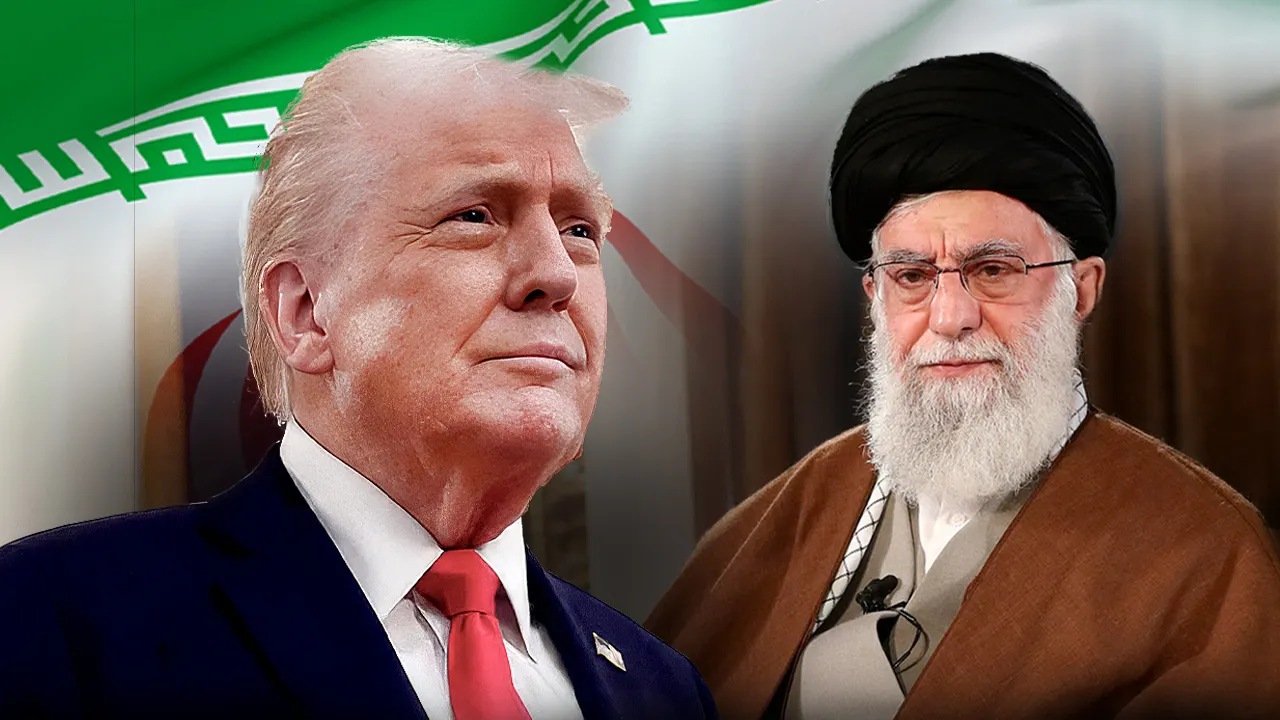
Donald Trump's return to the White House hasn't just dusted off the "Maximum Pressure" playbook; it's rewritten it with a much more aggressive ink. While the administration frames Operation Epic Fury as a necessary move to "obliterate" nuclear threats, the ground reality is shifting toward a dangerous inflection point. If you're looking at your rising gas prices or wondering why the Middle East feels like a powder keg, you’re seeing the fallout of a strategy that prioritizes decapitation over diplomacy.
Ambassador K.C. Singh, a man who knows the labyrinth of Tehran better than most, recently pulled no punches. He warns that the U.S. is currently fighting a war without a "clearly defined mission." We've seen the strikes and the headlines, but the endgame? That's still a ghost.
The Strategy of Maximum Pressure 2.0
The 2025-2026 iteration of Maximum Pressure is far more than just sanctions on paper. It’s a full-throttle attempt to drive Iranian oil exports to zero while simultaneously targeting the regime’s leadership. The recent death of the Supreme Leader and the degradation of the IRGC have created a power vacuum that the U.S. hopes will lead to collapse.
But history tells us that vacuuming out a regime isn't the same as cleaning it up. Iran isn’t Venezuela. It’s a deeply entrenched system where the clerics and the Revolutionary Guard are woven into every village and business. When you squeeze a system that tight without offering an exit ramp, they don't just fold. They lash out.
Why Your Energy Bill Is Suddenly Exploding
If you think this is just a regional spat, check your bank account. In March 2026, global oil prices didn't just climb; they leaped past $120 a barrel. This isn't an accident. It’s the direct result of the "energy shock" that experts like Singh predicted.
- The Hormuz Blockade: Iran’s most potent weapon isn't a nuclear tip; it’s its geography. By effectively halting shipments through the Strait of Hormuz, they’ve choked off 20% of the world’s oil and natural gas.
- The Qatar Factor: Iranian drone strikes on Qatar’s Ras Laffan Industrial City have knocked out a massive chunk of the world’s LNG capacity. For Europe and Asia, which rely on Qatari gas to keep the lights on, the price doubling was almost instantaneous.
- The 1970s Redux: We’re seeing a classic supply-side shock. It’s not just about "expensive gas." It's about inflation that interest rate hikes can’t fix because you can't print more oil.
India is Caught in the Crossfire
For India, the stakes aren't just about the price at the pump. Ambassador Singh’s concern highlights a massive shift in New Delhi’s leverage. Traditionally, India played the "middle man," maintaining ties with both Washington and Tehran. That bridge is burning.
India has over 8 million citizens living and working in the Gulf. If this conflict spirals into a full-scale regional war, the evacuation effort alone would be a logistical nightmare. Furthermore, India’s growing proximity to the Netanyahu government in Israel has weakened its ability to act as a credible mediator. Honestly, India is running out of good options. They’re stuck advocating for a diplomacy that neither side seems to want anymore.
The Nuclear Paradox
The irony of the current strategy is that it might be achieving the exact opposite of its stated goal. The Trump administration wants to stop a nuclear Iran. However, as the regime’s conventional forces—proxies like Hezbollah and Hamas—are decimated, the "nuclear option" becomes more attractive to Tehran, not less.
When a regime feels its survival is at stake and its conventional shield is gone, the allure of the ultimate deterrent grows. We're seeing a dangerous race: can the U.S. collapse the government before they decide they have nothing left to lose but to go nuclear?
What Actually Happens Next
Don't expect a neat peace treaty in the next few weeks. The U.S. has indicated it might "leave Iran soon," but leaving without a deal isn't a victory—it’s an abandonment.
If you're an investor or just someone trying to plan a budget, you need to prepare for a "long-tail" energy crisis. The damage to Qatari facilities could take three to five years to repair. That means high energy costs are the new baseline, not a temporary spike.
Stop waiting for "normal" to return to the Middle East. The old map is gone. The current strategy has traded long-term stability for short-term tactical wins, and we're all going to be paying for that trade-off at the pump for years.
Immediate steps you should take:
- Diversify energy dependencies: If you're running a business, look into hedging fuel costs now before the next round of escalations.
- Watch the Strait: Keep an eye on maritime insurance rates in the Gulf; they are the truest indicator of how close we are to the next "shock."
- Acknowledge the shift: Understand that "Maximum Pressure" has no "Off" switch. This is a journey toward either total regime change or a massive regional explosion. Plan for the latter.