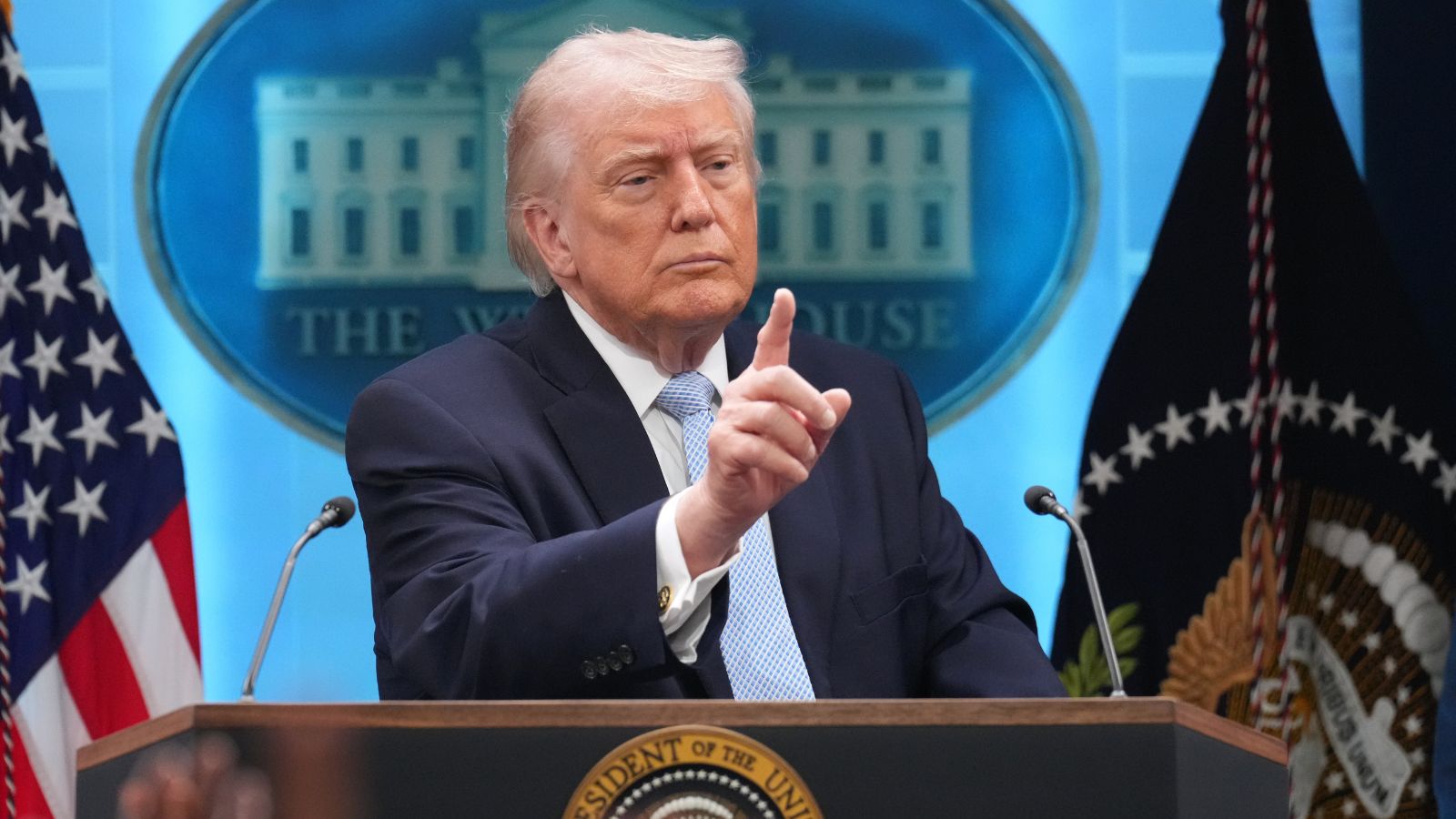
The mainstream media spent the last forty-eight hours hyperventilating over a digital graphic. When Donald Trump dropped a Truth Social video showing Kharg Island getting pulverized by artificial intelligence-rendered explosions, the press corps scrambled to decode the tea leaves. Vice President JD Vance dutifully stepped up to the microphone, feeding reporters the lazy consensus line: the president was simply "sending a message" to Tehran.
It is a neat, comforting narrative for Washington insiders who treat statecraft like an episode of a prestige TV drama. It assumes foreign policy is conducted via meme warfare and symbolic digital postcards. If you liked this article, you might want to check out: this related article.
They are missing the entire point.
Treating an AI-generated demolition video as a diplomatic message gives far too much credit to digital theater while completely ignoring the brutal mechanics of energy logistics. Kharg Island handles the vast majority of Iran's petroleum transit. It is the absolute jugular of the Iranian state economy. If a commander actually intends to sever a jugular, they do not announce it with deepfake pyrotechnics on a weekend social media bender. They blackout communications and let gravity drop the munitions. For another angle on this event, see the latest update from NPR.
The Fallacy of Digital Signaling
Think about how modern state-level deterrence works. Real military signaling requires operational friction, troop movements, and active radar illuminations. A synthetic video costs zero dollars to render and carries zero strategic commitment.
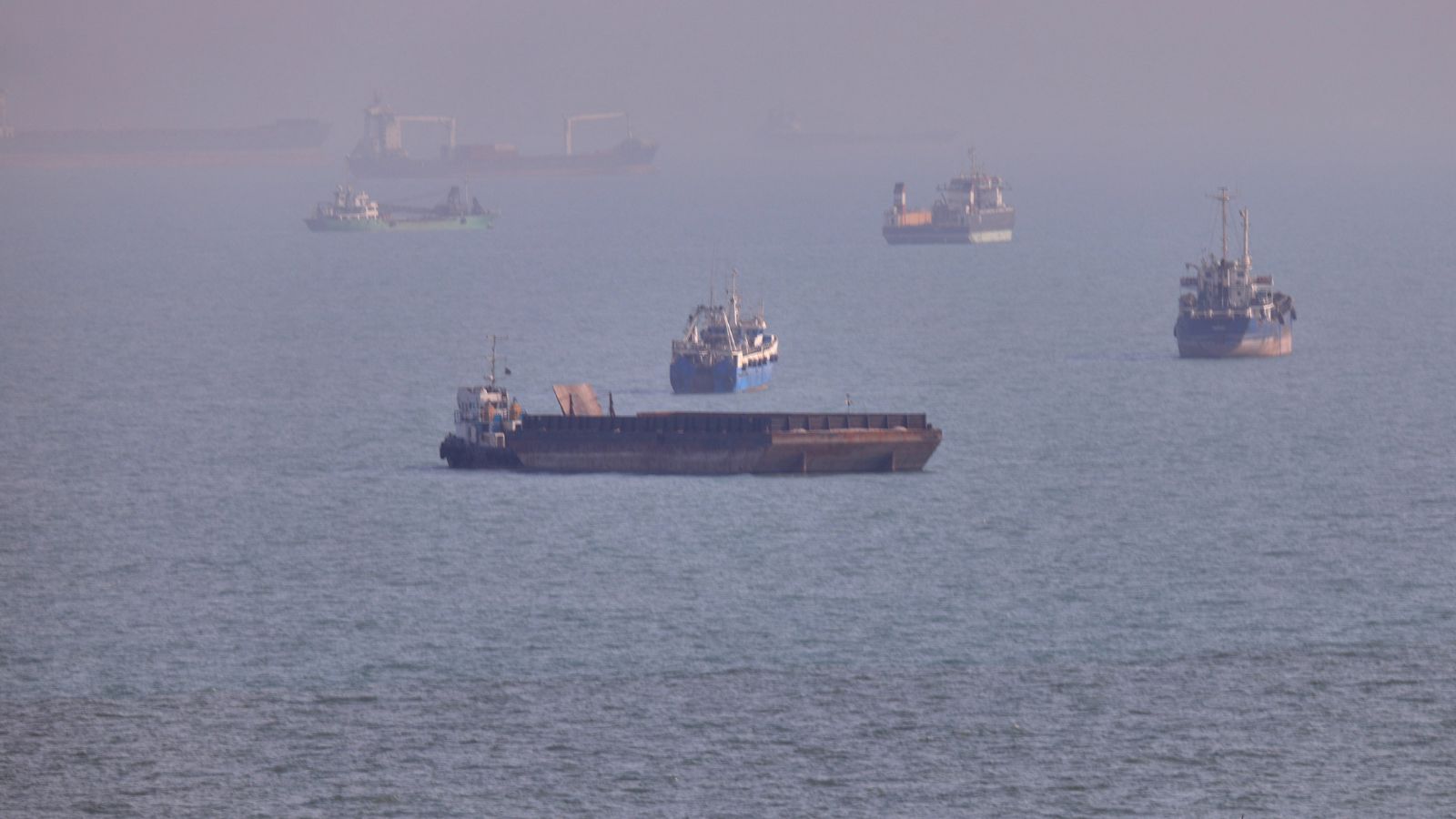
When analysts argue that Trump's post was a calculated warning about commercial shipping lanes in the Strait of Hormuz, they confuse correlation with causation. Real deterrence happened quietly on Larak Island, where actual American forces hit two active Iranian missile launchers while the talking heads were busy arguing over pixelated smoke.
The media loves to treat presidential social media accounts as sacred texts. This is a rookie error. Look past the flashing lights of the digital distraction. The Kharg Island post was not a signal sent to Tehran; it was an anchor tossed out to capture domestic news cycles and freeze hostile actors in a state of analytical paralysis.
Why Energy Hubs Matter More Than Tweets
Let us look at the structural reality of the conflict. Before the broader military campaigns began earlier this year, Kharg Island processed roughly ninety percent of Iranian oil exports. Every financial lifeline, every proxy militia budget, and every barrel of subsidized fuel depends on that single geographical choke point.
Imagine a scenario where the United States actually greenlights a total kinetic erasure of Kharg's terminal facilities. Global crude markets would violently reprice within nanoseconds. Refining margins would shatter. Shippers would abandon the Persian Gulf entirely, driving insurance premiums through the roof.
A administration serious about executing that kind of economic shockwave does not telegraph the blueprint to regime insiders via an app. By shouting about the island online, the White House successfully forced Iranian military planners to waste precious command-and-control bandwidth trying to reinforce an asset that wasn't under immediate kinetic assault that evening.
The Uncomfortable Truth About Modern Conflict
We live in an era where strategic communication and actual kinetic force have decoupled entirely. The lazy consensus wants you to believe that words and videos are weapons. They aren't. They are noise designed to mask the quiet, violent movement of actual assets in the theater.
Stop looking at the screen. Watch what the logistics chains are doing instead.