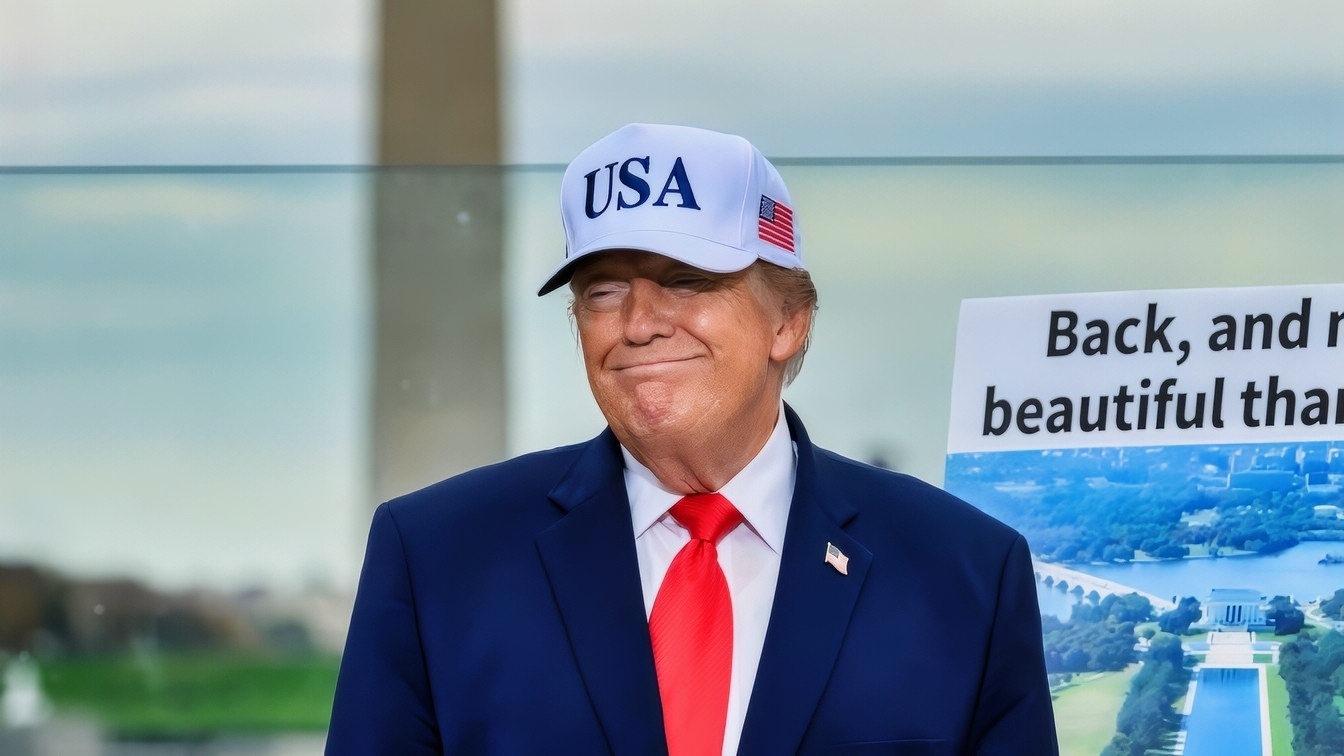
When U.S. President Donald Trump stood on the South Lawn of the White House in October 2026 and told reporters it was "time for Ukraine to get a new president," he did more than lob another political grenade. He laid bare the exact friction stalling peace talks in the fifth year of the Russia-Ukraine war.
The remark didn't happen in a vacuum. Hours earlier, the Trump administration had rolled out a controversial diesel supply agreement with Moscow, easing certain sanctions on Russian fuel to bring down prices ahead of the U.S. midterm elections. Ukrainian President Volodymyr Zelenskyy immediately criticized the deal, warning that it threw an economic lifeline to Vladimir Putin's war machine. Trump fired back, blaming Ukrainian drone strikes on Russian oil refineries for global fuel headaches and accusing Zelenskyy of refusing to strike a deal.
If you're trying to make sense of why Washington and Kyiv are clashing so publicly right now, you have to look past the headlines. It isn't just personality politics. It's a collision between domestic American economic pressure, Ukraine's survival strategy, and the constitutional reality of holding elections during an active invasion.
Why Trump Wants Zelenskyy Replaced Now
To understand the demand for new leadership in Kyiv, look at the timeline of events in late 2026. According to reporting from CBS News and Al Jazeera, Trump's frustration boils down to two immediate triggers: fuel prices and negotiation deadlocks.
First, there's the diesel problem. Facing high energy costs at home—amid both the ongoing conflict in Eastern Europe and tensions involving Iran—the White House struck an arrangement with Moscow to release Russian diesel supplies onto global markets. Meanwhile, Ukraine's long-range campaign targeting Russian refining capacity was directly squeezing that supply. Trump argued on October 10 that Zelenskyy "wants to make problems for our farmers, our ranchers, with diesel fuel," demanding that Kyiv stop hitting refineries and get a leader "capable of striking a deal".
Second, Trump views Zelenskyy as an obstacle to a rapid settlement. Speaking to reporters, Trump claimed Zelenskyy had missed "many, many" chances to end the conflict since Russia's full-scale invasion in February 2022, pointing to massive casualties and the roughly 30% of Ukrainian territory under Russian control. From Trump's perspective, a different Ukrainian president would accept territorial concessions to freeze the front lines immediately.
Kyiv's Pushback and the Election Reality
The reaction out of Kyiv was swift and blunt. Ukrainian Foreign Minister Andriy Sybiha rejected the idea that foreign leaders get a say in who runs Ukraine. Writing on X, Sybiha stated that Zelenskyy "has the support of the Ukrainian people, and they have the right to decide," adding that criticism from abroad only proved the president was defending national interests.
There's also a practical legal hurdle that often gets glossed over in American political commentary. Ukraine's constitution prohibits holding national elections while martial law is in effect. Even if Zelenskyy wanted to call a vote tomorrow, doing so under daily Russian missile and drone barrages—like the October strikes on Zaporizhzhia and Kyiv that killed dozens of civilians—presents massive logistical and security nightmares.
- Millions of Ukrainians remain displaced abroad or internally, making voter rolls a mess.
- Soldiers fighting along a sprawling front line can't easily cast ballots in active combat zones.
- Gathering citizens at polling stations creates concentrated targets for aerial attacks.
Zelenskyy himself argued that easing pressure on Moscow—whether through diesel deals or questioning Kyiv's leadership—sends the exact wrong signal to the Kremlin. In his view, Putin interprets any rift between Washington and Kyiv as proof that Russia can simply outlast Western resolve.
Washington's Split Over the Russia Diesel Deal
Trump's call for a new Ukrainian president didn't just rattle Kyiv. It exposed sharp divisions within his own party in Washington.
Former Vice President Mike Pence publicly broke with Trump over the Russia fuel arrangement, urging the administration to "rescind the deal immediately". As reported by CBS News, Pence warned that America shouldn't be "throwing a lifeline to Putin's war machine," arguing that if Russia overruns Ukraine, U.S. troops could eventually be forced to confront Russian forces across a NATO border. Representative Michael McCaul of Texas also weighed in critically, reflecting broader unease among traditional national security hawks.
Supporters of the administration's approach see things differently. They argue that more than four and a half years of attrition have left the battlefield largely deadlocked while draining Western stockpiles and hurting global consumers. In their view, using economic incentives with Moscow and applying maximum diplomatic pressure on Kyiv—including threatening intelligence or weapons restrictions—is the only realistic way to force both sides to the table.
Where the Peace Talks Stand Right Now
Despite the sharp rhetoric over Zelenskyy's political future, diplomacy hasn't actually stopped. In fact, it's accelerating across multiple tracks.
U.S. envoys Steve Witkoff and Jared Kushner have been shuttling between meetings with Ukrainian officials in Miami, European advisers in Berlin, and trilateral sessions involving Russian representatives in Abu Dhabi. By mid-November 2026, Trump was signaling optimism again—telling reporters during a trip to Manila that efforts to resolve the war were "very close to getting it done" ahead of planned discussions in China alongside Xi Jinping and Vladimir Putin.
European allies, meanwhile, are walking a tightrope. Leaders from the EU, Germany, France, the U.K., Italy, and Poland appointed senior national security advisers to ensure Europe isn't sidelined in any grand bargain between Washington and Moscow. Lithuanian Foreign Minister Kęstutis Budrys summed up the European red line clearly: Russia can't be handed a veto over Ukraine's future EU membership or NATO's collective defense posture.
How to Read the Next Phase of the Conflict
If you're following how this standoff affects global markets, European security, or U.S. foreign policy, watch three specific indicators rather than daily press conference soundbites.
- Track the Abu Dhabi and G20 diplomatic calendars. The real test of whether Trump's pressure campaign works won't be whether Zelenskyy resigns—he won't—but whether Kyiv, Moscow, and European representatives agree to a concrete ceasefire framework ahead of the December G20 summit.
- Watch energy enforcement and refinery strikes. If Ukrainian drone attacks on Russian oil infrastructure pause while U.S. waivers on Russian diesel remain active, it signals a quiet, behind-the-scenes accommodation regardless of public insults.
- Monitor U.S. intelligence and Starlink/Starshield continuity. Diplomatic leverage in this war runs through communications and targeting data. Any sustained disruption in U.S. technical support to Kyiv matters far more on the ground than calls for leadership change.
Ukraine rejects Trump's call for new leadership
This DW News report provides direct video context on Donald Trump's October 2026 remarks calling for a new Ukrainian president and Volodymyr Zelenskyy's response.