The clock is ticking toward 8 p.m. in Washington, and the rhetoric coming out of the White House has moved past mere brinkmanship into something much darker. When Donald Trump posted on Truth Social that "a whole civilization will die tonight" if Iran doesn't meet his demands, he didn't just escalate a geopolitical standoff. He arguably signaled an intent to commit the kind of mass-scale war crimes that the world spent the last century trying to outlaw.
We aren't talking about a surgical strike on a missile silo anymore. The current administration's threats now explicitly target the foundational elements of Iranian life—power plants, bridges, and the very cultural fabric of a nation that dates back millennia. If you're wondering why legal scholars and even some of Trump's former allies are sounding the alarm, it's because these aren't just "tough guy" tactics. They are direct challenges to the Geneva Conventions and the basic rules of modern warfare. Discover more on a connected topic: this related article.
The Shift From Military Targets to Total Destruction
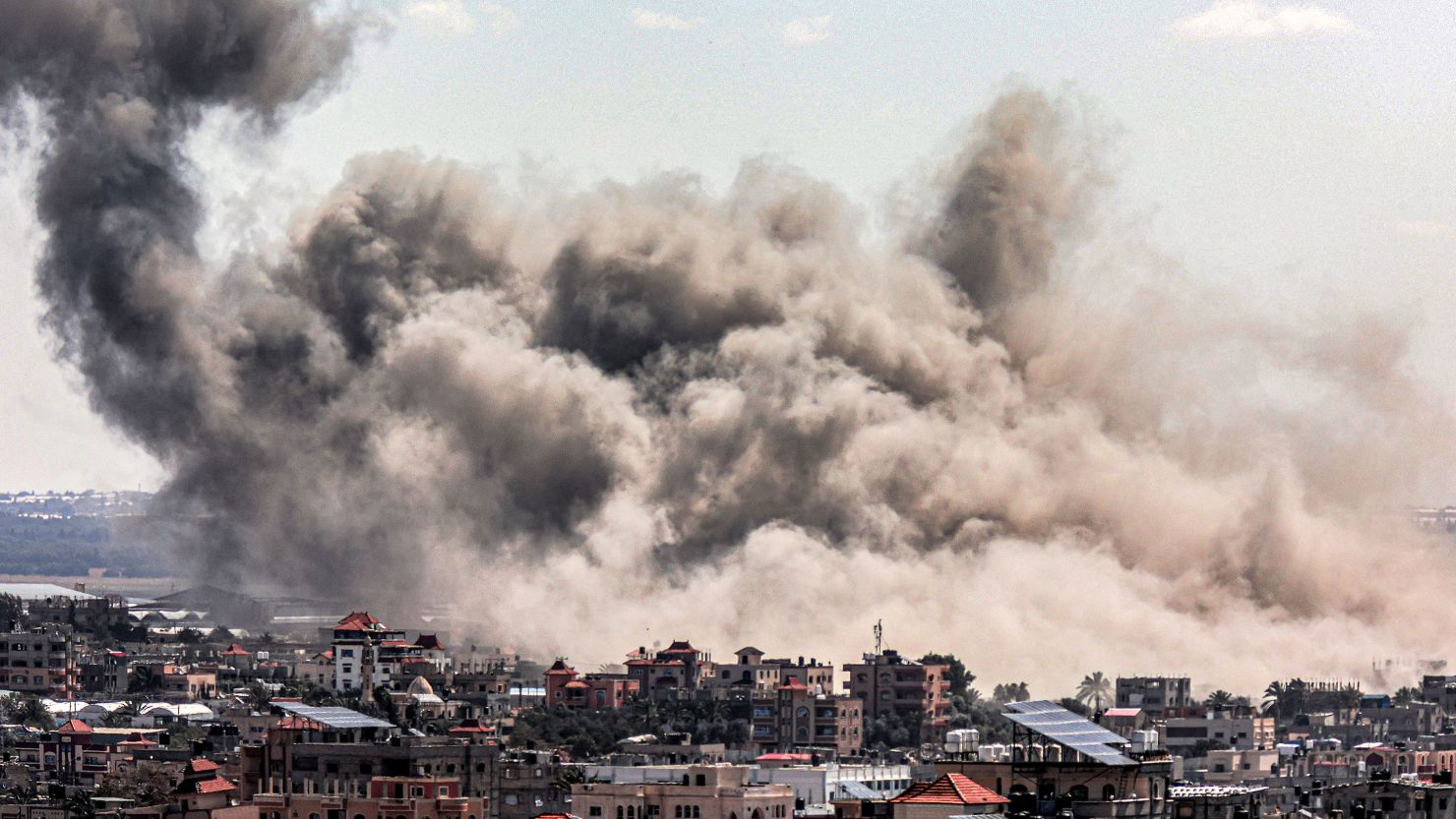
For months, the U.S. and Israel have been trading blows with Iran, focusing mostly on military assets and nuclear sites. But the goalposts just moved. Trump’s latest ultimatum demands that Iran reopen the Strait of Hormuz immediately or face "obliteration" of its energy infrastructure.
Basically, the administration is now treating civilian infrastructure as a bargaining chip. Trump himself tried to justify this by pointing to Iranian domestic policy, claiming that blowing up bridges isn't a war crime because of the regime's own history of violence against its people. That's not how international law works. You don't get a "pass" on the laws of war because the other side has a "demented leadership," as Trump put it. More analysis by The New York Times explores similar views on the subject.
The Pentagon is reportedly scrambling to provide "dual-use" target lists—sites that serve both military and civilian purposes—to give the administration some legal cover. But when you're threatening to make an entire civilization "die," the "dual-use" argument starts to look pretty thin.
Why Targeting Cultural Heritage Is a Red Line
It’s not just the power plants. We’re seeing reports that recent strikes have already damaged nearly 50 historically significant sites, including the Golestan Palace in Tehran. Under the 1954 Hague Convention, cultural property is supposed to be off-limits unless there’s an "imperative military necessity".
Ancient archaeological sites and religious monuments aren't just old buildings. They’re protected because they belong to the "cultural heritage of every people". Intentionally directing attacks against these sites is a war crime, plain and simple. When Trump speaks about a civilization disappearing, he’s touching on something that looks a lot like genocidal intent to the rest of the world.
The Infrastructure Trap
- Power Plants: Cutting off electricity doesn't just stop factories; it shuts down hospitals and water filtration.
- Bridges: These are vital for food distribution and civilian escape routes.
- Internet Blackouts: Iran is currently under a massive internet blackout, meaning millions of people can't even hear the warnings to stay away from these "so-called" military targets.
What the Legal Scholars Say
Don’t just take it from politicians. There’s a mountain of international law that Trump is currently treating like a set of suggestions. Rule 38 of Customary International Humanitarian Law is clear: "Each party to the conflict must respect cultural property".
UN officials, Democratic leaders like Senator Chuck Schumer, and even some far-right figures like Alex Jones are increasingly critical of the "wanton war of choice". When people like Marjorie Taylor Greene are calling for your removal under the 25th Amendment because you’ve "gone crazy," you know you’re in uncharted territory.
The Justification Problem
If the U.S. strikes Iran’s power and transportation networks, it’s going to be very hard to argue that these were "military objectives". The legal standard is that the military advantage gained must outweigh the civilian harm. If the goal is "obliteration," that balance is gone.
Basically, the administration is now using the entire Iranian population as a hostage in a high-stakes poker game over oil prices and the Strait of Hormuz.
Your Next Moves
If you’re watching the news and wondering what happens next, here is how you can stay informed and take action:
- Watch the Clock. The 8 p.m. ET deadline is the key indicator of whether the U.S. will move toward further strikes or accept a diplomatic extension.
- Follow Local Reports. Look for updates from organizations like the Iranian Red Crescent for civilian casualty counts and damage to non-military sites.
- Engage with Your Representatives. If the legal implications of these threats concern you, contacting your elected officials is the most direct way to voice an opinion on whether the U.S. should adhere to the Geneva Conventions.
Don't buy into the idea that this is just another day of political drama. This is a fundamental challenge to the way wars have been fought for the last 80 years.