If you've spent any time on Malaysian social media lately, you’ve likely seen the outrage. People are furious. The rumor? While Malaysians are tightening their belts and navigating a messy new subsidy system, the government is supposedly shipping off millions of liters of diesel to the Philippines.
It sounds like a betrayal. It sounds like the kind of thing that should trigger a massive protest. But honestly, it’s not what happened.
Prime Minister Anwar Ibrahim stepped in this week to douse the flames of this growing row. Speaking at a Madani gathering in Terengganu, he didn't mince words. He called the allegations "untrue" and explained that the diesel in question didn't even belong to Malaysia.
Why Everyone Got It Wrong
The confusion started when Philippine state media reported that roughly 329,000 barrels of diesel—about 52.3 million liters—had arrived from Malaysia. Naturally, the internet did what it does best. It took a logistics fact and turned it into a political scandal.
Here’s the reality: Malaysia didn't sell its own diesel. The national oil giant, Petronas, wasn't involved in the deal. The shipment was actually handled by Vitol, a massive foreign commodity trading company.
You have to understand how the global oil trade works. Malaysia has world-class refineries. Foreign companies often bring their own crude oil into Malaysia, pay a fee to have it refined into diesel or petrol, and then ship it back out to their own customers.
- Malaysia didn't own the oil.
- Petronas didn't sell the oil.
- The government didn't subsidize the oil.
In this case, Vitol had an agreement to supply the Philippines. They used Malaysian ports and logistics as a "transit and passage" point. As Anwar put it, "It is not us supplying it. But we are not stopping it." We’re basically the middleman providing the kitchen, not the chef giving away the family’s dinner.
The Subsidy Ghost Haunting the Conversation
The reason this story caught fire so fast is because of the current economic climate in Malaysia. We're in the middle of a massive shift in how fuel is handled at home.
The "Budi95" mechanism and the removal of blanket diesel subsidies in Peninsular Malaysia have left everyone on edge. When you're told you have to pay market price or jump through hoops for a RM300 monthly cash transfer, seeing a headline about 50 million liters of "Malaysian" diesel going abroad feels like a slap in the face.
But let’s be direct. Stopping these shipments wouldn't make your fuel cheaper. In fact, it would hurt the economy. These "transit" deals bring in revenue through port fees, refinery services, and logistics. If Malaysia suddenly started blocking private international trades just because they "looked bad" on TikTok, we’d lose our status as a regional energy hub overnight.
What This Means for Regional Relations
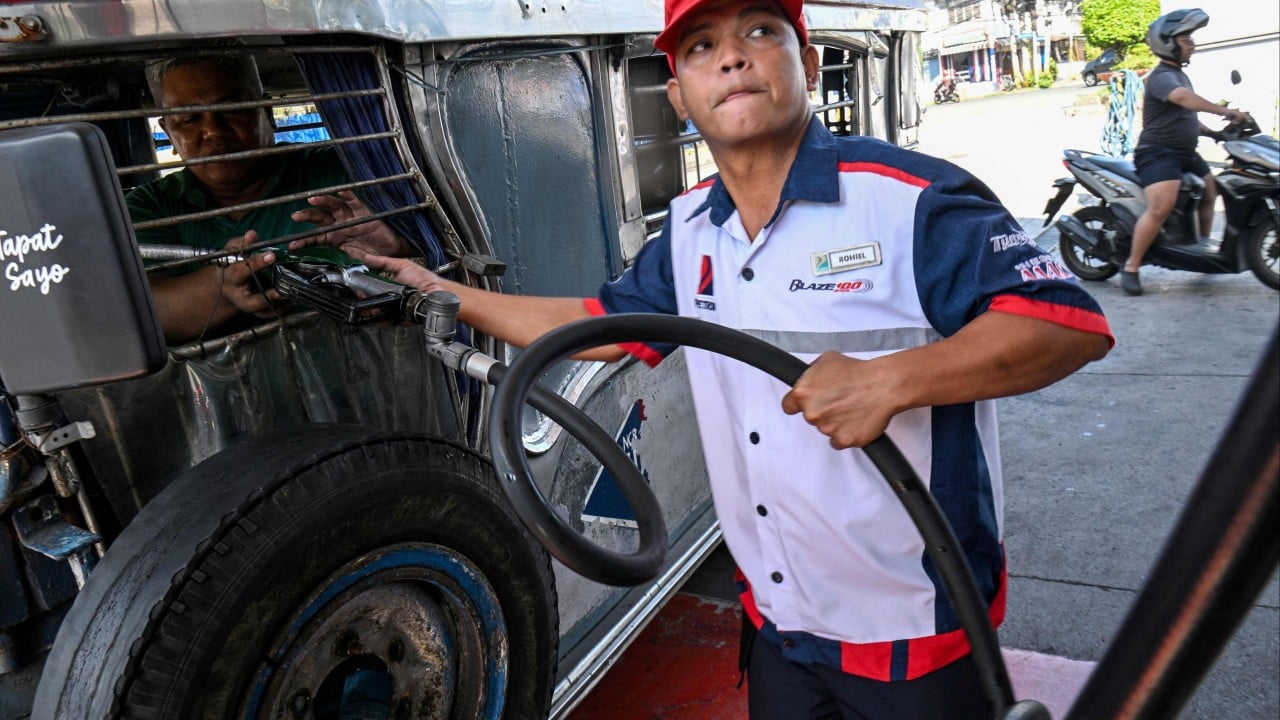
The Philippines is currently desperate for fuel. With Middle East tensions choking the Strait of Hormuz and global prices swinging wildly, Manila is scrambling to shore up its reserves. They’ve been buying from everywhere—Japan, global traders, you name it.
The Philippine Department of Energy (DOE) confirmed the delivery arrived from a Malaysian port. That is a 100% accurate statement. The problem was the lack of context. By the time that "logistics fact" reached the Malaysian public, it had morphed into a story of government neglect.
Petronas was quick to issue a formal denial. They’ve stated clearly that their "utmost priority" is ensuring a reliable fuel supply for Malaysia. With reserves projected to be stable until at least May 2026, there isn't a shortage—but there is definitely a trust deficit.
Stop Falling for the Headline Bait
The takeaway here is simple but hard to swallow. We live in a world of complex supply chains. A product leaving a Malaysian port isn't always a "Malaysian product."
If you want to be mad about fuel, focus on the subsidy rationalization or the rising cost of living. Those are real issues. But this diesel "scandal"? It's a ghost. It’s a private company moving its own product through our backyard.
Moving forward, don't expect the government to stop these transits. They shouldn't. What they should do is get better at communicating how these deals work before the misinformation starts a fire they have to spend all week putting out.
If you’re a business owner or a driver, your focus stays the same: keep an eye on the Budi95 allocations. That’s where the real impact on your wallet lives, not in a Vitol tanker heading for Manila.