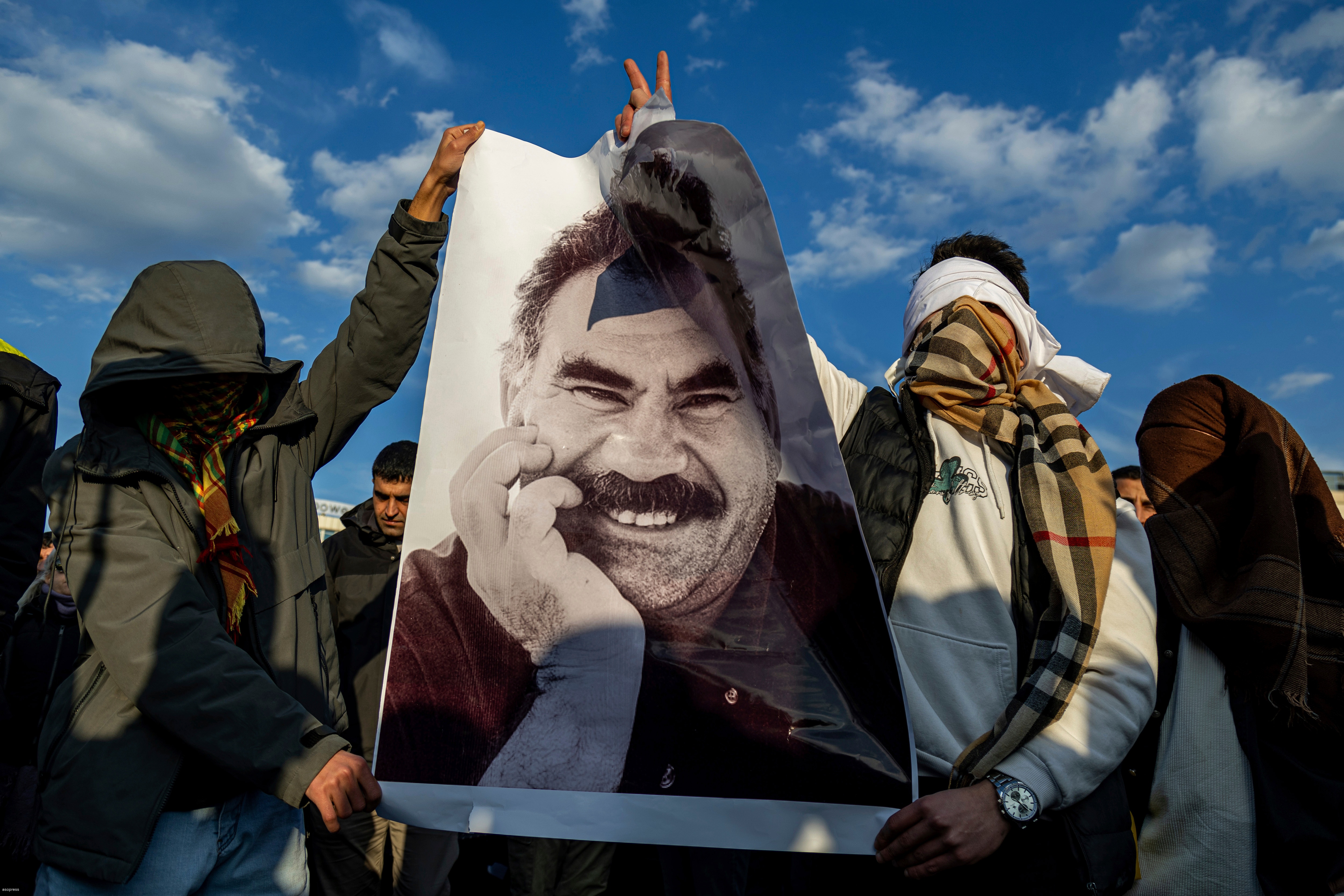
Political deals rarely change history overnight. But when lawmakers in Ankara start talking about legal relief for thousands of armed fighters, the entire region pays attention.
You're looking at a massive pivot in a decades-long conflict. Turkey's parliament has been navigating complex legislative proposals aimed at handling thousands of Kurdistan Workers' Party (PKK) militants. If you want to understand why this matters right now, you have to look past the political spin. The state isn't just changing policy. It's rewriting how a four-decade insurgency might finally wind down.
Let's break down what's actually happening on the ground.
The Reality Behind the Legislative Push
For over forty years, the Turkish state and the PKK have locked horns in a bloody conflict. Thousands have died. Entire regions have transformed under the weight of security operations. So when news broke about pardon-like mechanisms and legal adjustments for militants, shockwaves hit domestic politics.
Critics call it appeasement. Supporters call it a pragmatic exit strategy.
The truth sits somewhere in the messy middle. Governments don't introduce these measures because they suddenly found religion. They do it because the cost of endless war keeps rising. Security apparatuses chew up billions of dollars annually. Economic pressure weighs heavily on everyday citizens. Leaders look at the map, look at the budget, and realize military force alone won't secure long-term stability.
Yet, implementing a pardon or reintegration framework is a political minefield. Nationalist allies push back hard. Families of fallen soldiers demand justice. Public trust doesn't rebuild overnight just because a politician signs a bill.
How Reintegration Actually Works
You can't just open prison doors and tell thousands of armed militants to walk home. Real-world disarmament requires strict vetting, legal categorizations, and serious security guarantees.
Here is what lawmakers and security experts grapple with:
- Determining who qualifies for reduced sentences or conditional release.
- Managing the oversight of fighters returning from mountainous strongholds in northern Iraq or Syria.
- Creating local economic opportunities so former combatants don't pick up rifles again out of sheer desperation.
- Balancing domestic legal codes with international human rights standards.
Most people underestimate the sheer logistical nightmare of disarmament. It's not a handshake on television. It's years of bureaucratic tracking, intelligence monitoring, and community mediation.
Why This Move Survives the Political Heat
Opposition parties routinely blast these initiatives as electoral ploys or weak-kneed diplomacy. They point out the obvious risks. What happens if released militants return to underground networks? How do you look victims in the eye and talk about forgiveness?
These are fair questions. But the government calculates that the alternative is worse. A frozen conflict drains national potential. Foreign policy ambitions get bogged down by domestic security crises. By testing the waters with legislative flexibility, Ankara attempts to shift the battlefield from mountains and caves to courtrooms and parliaments.
You have to watch how regional actors react. Neighboring governments, European capitals, and local Kurdish political factions all have skin in the game. Every statement from Washington or Brussels gets parsed by analysts looking for clues about future stability.
What Comes Next for the Region
Don't expect an instant miracle. Legislative changes take months to draft, debate, and implement. Courts move slowly. Individual cases will bog down the judicial system for years.
Pay attention to implementation details rather than flashy headlines. Watch how local municipalities handle social integration programs. Keep an eye on regional security reports from independent monitors rather than state media or party propaganda. Real change rarely announces itself with a trumpet. It creeps in through the boring, technical adjustments of legal codes and court dockets.
Keep your eyes on the courts, track the legislative amendments, and ignore the political noise.


