Romanticizing the ghost of the Reno divorce ranch is a favorite pastime for people who have never had to survive an impossible marriage. Every puff piece about these historic spreads misses the entire point of what made them functional. The consensus narrative paints these dusty compounds as tragic holding pens where wealthy socialites suffered in silence while waiting out their six weeks under the desert sun.
That framing is pure revisionist history.
Those ranches were not holding cells. They were industrial-scale escape hatches built by people who understood that clean breaks beat slow deaths every single day of the week. Nevada legislators in 1931 did not invent a six-week residency requirement out of romantic sympathy for unhappy wives. They built a pragmatic economic engine that traded jurisdictional speed for hard cash. They looked at puritanical state laws destroying families in New York and Chicago, saw an arbitrage opportunity, and seized it.
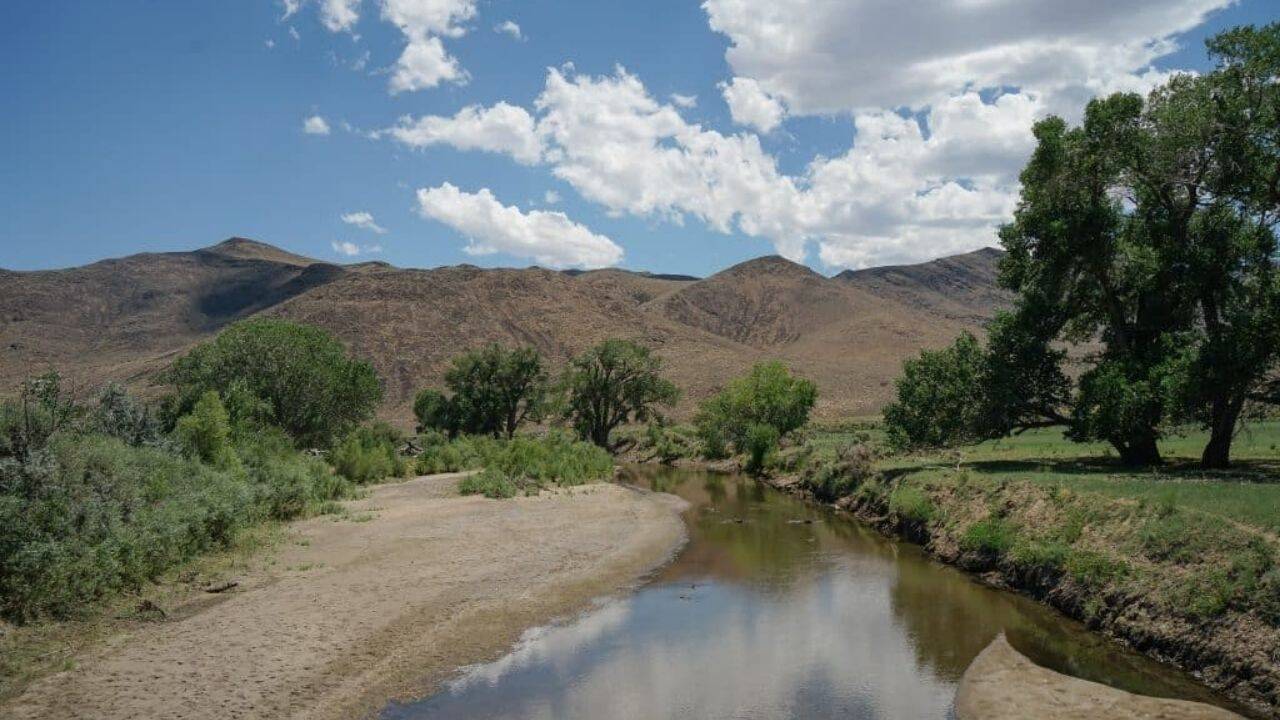
Now, we are doing what modern society always does to functional history. We are sanitizing it. Turning these operational footprints into quiet state parks for weekend hikers turns a gritty masterclass in personal autonomy into a quaint photo op for tourists who want to sip iced coffee where someone once signed their financial independence papers.
The Myth of the Suffering Ranch Guest
Visit any heritage blog covering Nevada history and you will hear about the loneliness of the dude ranch divorce. The narrative drones on about women riding horses, crying into their gin, and staring at sagebrush while the clock ticks down.
I call absolute nonsense on that depiction.
Most women arriving at the Flying M or the Pyramid Lake ranches were not broken victims; they were pragmatic tacticians engaging in high-stakes contract negotiation. They were trading a fixed amount of time—forty-two days—for the rest of their legal freedom. Reno in the 1930s and 40s was not a sad outpost. It was a bustling metropolis of reinvention. The local dude ranches catered to this exact demographic by providing top-tier hospitality, horses, cocktails, and a community of peers who were all quietly rewriting their life terms.
To look at that ecosystem and decide its natural evolution is to become a picnic ground with interpretive plaques is an insult to the grit that built it. We are trading the memory of legal disruption for walking trails and parking lots.
Why Speed Was the Feature, Not the Bug
Modern legal theory loves to drag out disputes under the guise of mediation and reconciliation. We have built an entire therapeutic-industrial complex designed to make divorce as expensive, emotional, and protracted as humanly possible.
Nevada eighty years ago understood a fundamental truth that modern judges refuse to accept: closure has an expiration date.
Dragging a failed partnership across years of counseling and court battles does not save the marriage; it bankrupts the participants. The six-week rule was an acknowledgement that once the decision is made, the machinery of the state should get out of the way as fast as humanly possible. By compressing residency and litigation into a single legislative sprint, Nevada cut down on the asymmetric warfare that plagues modern family courts.
When you convert those operational sites into passive state parks, you are celebrating the geography while systematically erasing the philosophy. You are saving the walls of the bunkhouse while bulldozing the mindset that demanded them.
The Sanitization Industrial Complex
Every historic preservation project eventually hits a point where it strips away the teeth of the original asset. A functioning divorce ranch was loud, transactional, gossipy, and intensely legal. It smelled of horse manure, cheap gin, and nervous anticipation.
A state park smells like sunscreen and trampled dirt.
When the state takes over these properties, it curates the narrative. It turns a fierce battleground of women's financial liberation into a cute weekend attraction about old-timey western fashion and scenic vistas. The lawyers who camped out in Reno hotels, the judges who processed dockets at record speed, and the ranch owners who figured out how to monetize marital failure are turned into cartoon characters.
We do this because we are uncomfortable with transactional honesty. We prefer our history wrapped in the gentle aesthetics of nature conservation rather than the hard-edged reality of contractual survival.
What We Should Actually Be Doing With These Spaces
If we genuinely wanted to honor the legacy of the Nevada divorce economy, turning these plots into quiet picnic spots for campers is the worst possible play.
Imagine a scenario where these historic nodes were instead converted into modern accelerators for legal reform and personal restructuring. Picture retreats focused on rapid dispute resolution, financial rebuilding clinics, and workshops on uncoupling without state-mandated bankruptcy. That would match the DNA of the original spaces. That would respect the people who rode into town with a suitcase and left with a decree.
Instead, we get boardwalks and trail markers.
The state legislature thinks it is preserving history by drawing a boundary around the acreage and calling it a park. They are doing the exact opposite. They are putting a tax-funded muzzle on a place that once roared with the sound of people taking their lives back on their own terms.
Stop funding gift shops for dead eras while ignoring the brutal lessons they taught us about speed, contract, and escape. Leave the trails to the hikers. The divorce ranches were built for people who were done walking in circles.