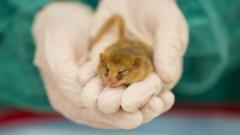
The scent of antiseptic and wild musk is about to get a lot stronger in Regent’s Park. While most charities are currently bleeding dry under the weight of inflation and dwindling public donations, ZSL London Zoo just secured a £20 million lifeline. It didn’t come from a government bailout or a corporate sponsorship deal with a tech giant. It came from a single, anonymous donor who has effectively funded the most advanced veterinary hospital in the world.
This isn’t just a new wing for the zoo. It is a fundamental shift in how we handle the survival of species. The Osgood Centre for Animal Health, as it will be known, replaces a cramped, outdated clinic that has struggled to keep pace with modern surgical needs. The facility allows the public to watch surgeons operate on everything from tigers to tiny lizards through a glass wall. It is a bold, perhaps even risky, move toward transparency in a field that usually operates behind closed doors.
Transparency as a Survival Strategy
Zoo medicine has historically been a private affair. When an animal undergoes a procedure, it is usually whisked away to a sterile, hidden environment. The public only hears about it if the outcome is tragic or remarkably heroic. By putting surgery on display, the London Zoo is betting on a new form of engagement. They want people to see the physical cost and the technical difficulty of keeping these creatures alive.
Critics often argue that zoos are merely Victorian relics. The new hospital counters this by rebranding the zoo as a high-stakes medical research hub. When you watch a vet perform a life-saving procedure on a Sumatran tiger, the narrative shifts from "animal in a cage" to "patient in a crisis." This transparency builds a level of trust that no marketing campaign could ever buy. It shows the grit, the blood, and the precision required to prevent extinction.
The Logistics of a High Tech Menagerie
Building a hospital for a specific species is easy. Building one for 14,000 animals ranging from invertebrates to massive mammals is an architectural nightmare. The new facility had to account for wildly different biological needs.
Imagine the HVAC requirements alone. You cannot have the humid air from a reptile’s recovery tank circulating into the sterile field of a mammalian surgical suite. The engineering must be flawless. The £20 million price tag starts to look modest when you consider the custom-built imaging equipment needed to scan a giraffe's neck or the delicate instruments required for a frog's heart surgery.
- Imaging Suites: Advanced CT and MRI scanners that can accommodate diverse weights and sizes.
- Contamination Control: Multi-stage air filtration to prevent the spread of zoonotic diseases.
- Public Observation: Toughened, soundproof glass that allows visitors to watch without stressing the patients.
The Mystery of the Anonymous Millionaire
In the world of high-end philanthropy, £20 million is a "transformational" gift. Typically, donors of this caliber want their names on the side of the building in gold leaf. They want the galas, the press releases, and the social standing that comes with such a massive contribution. The fact that this donor chose to remain anonymous is a rarity in the London non-profit circuit.
This anonymity suggests a pure interest in the mission rather than the prestige. It also shields the donor from the inevitable scrutiny that comes with supporting controversial institutions. Zoos remain a flashpoint for animal rights activists. By staying in the shadows, the benefactor ensures the focus remains on the animals and the science, not on their personal wealth or motivations. It is a clean transaction that allows the ZSL leadership to breathe a sigh of relief after years of financial uncertainty caused by global lockdowns.
Why Modern Zoos Need This Now
We are living through a period of mass extinction. The role of the modern zoo has shifted from entertainment to genetic banking. London Zoo isn't just showing animals; it is maintaining a lifeboat for species that no longer have a safe home in the wild.
To do that effectively, you need more than just cages and feed. You need a research facility that can solve the puzzles of wildlife pathology. Many of the diseases currently wiping out populations in the wild—like the chytrid fungus in amphibians—are being studied in labs exactly like this one. The Osgood Centre isn't just about treating a sick lion; it’s about understanding how to stop the next avian flu or similar cross-species threat before it jumps to humans.
The Professional Burden on Veterinary Staff
Working as a vet in a public-facing hospital adds a layer of psychological pressure that most medical professionals never face. Operating on a high-value, endangered animal is stressful enough. Doing it while a crowd of school children and tourists watches your every move is another thing entirely.
The zoo has had to implement strict protocols for these public viewings. If a surgery takes a turn for the worse, the blinds are drawn. There is a fine line between education and spectacle, and the staff must navigate that daily. They are no longer just doctors; they are educators and, in some ways, performers. This shift requires a specific type of personality—one that can maintain focus under the gaze of a thousand eyes.
Beyond the Glass
While the public sees the surgery, the real work happens in the labs connected to the suites. The data gathered here flows into a global network of conservationists. When a rare bird is treated in London, the findings are shared with teams in Mauritius or the Galapagos. This facility serves as a nerve center for global veterinary knowledge.
The investment reflects a hard truth about conservation: it is expensive, it is technical, and it is never-ending. You cannot save the world’s biodiversity with good intentions alone. You need high-grade steel, advanced software, and the capital to keep the lights on in a world-class operating theater.
The hospital stands as a testament to the fact that someone, somewhere, believed that the survival of these species was worth a fortune. It replaces the "mystery" of the gift with the clarity of its purpose. The next time a child stands at that glass wall and watches a vet repair the wing of an owl, the value of that £20 million will be measured in the silence of their wonder.
ZSL has managed to turn a massive financial windfall into a permanent pillar of its conservation strategy. The Osgood Centre is a signal to the world that London intends to remain at the forefront of zoological science, regardless of how the political or social winds shift. It is a bunker for biodiversity, built with the best tools money can buy.
Step up to the glass and see for yourself. The future of the wild is being sutured back together, one stitch at a time.


