Politicians love a round number. Donald Trump promising gasoline at two dollars a gallon after a hypothetical conflict with Iran sounds great on a rally stage. It fits neatly on a red hat. It provides a clean soundbite for cable news.
It is also an economic fairy tale that misunderstands how modern commodity markets actually work.
I have spent two decades watching energy traders laugh off campaign trail arithmetic. I have seen companies blow millions trying to trade political headlines instead of supply fundamentals. The lazy consensus among voters and superficial commentators is that a Middle East war either spikes prices through the ceiling or gets "won" decisively enough to flood the world with cheap crude. Both theories miss the actual mechanics of global oil pricing.
The real danger is not that two dollar gas is impossible. The real danger is what happens to your portfolio, your local economy, and domestic energy production if anyone actually tries to force it there.
The Crude Reality of Production Costs
Let us clear up the basic arithmetic. Oil is priced on a global margin. When a politician talks about two dollar gasoline at the pump, they are talking about West Texas Intermediate crude dropping below forty dollars a barrel on a sustained basis.
Let us look at actual production economics. Shale operators in the Permian Basin do not pump oil out of charity. They drill because margins clear their hurdle rates. When crude dropped into the thirties during the spring of twenty-twenty, the entire American patch nearly went into cardiac arrest. Rigs laid down. Companies defaulted on debt. Thousands of high-paying blue-collar jobs evaporated overnight.
If you force gasoline down to two dollars, you are intentionally bankrupting the domestic energy sector. You are killing the very drillers who secured American energy independence in the first place. You cannot chant drill baby drill while simultaneously cheering for prices so low that drilling becomes a commercial impossibility.
The market does not care about campaign slogans. It cares about cash flow, capital expenditure cycles, and finding costs.
When politicians talk about winning a war to secure cheap fuel, they are operating on a nineteenth-century imperialist model. They imagine American troops standing over valves in the Persian Gulf, turning a giant wheel marked low prices. That model died decades ago.
The Myth of the Iranian Supply Solution
People ask whether removing Iranian barrels from the market or regime change in Tehran will flood the global system with cheap oil. The premise is flawed on two fronts.
First, Iran already exports a significant amount of its production, largely to independent refiners in Asia, despite sanctions. Second, and more importantly, a war in the Persian Gulf does not instantly unlock new supply. It does the exact opposite.
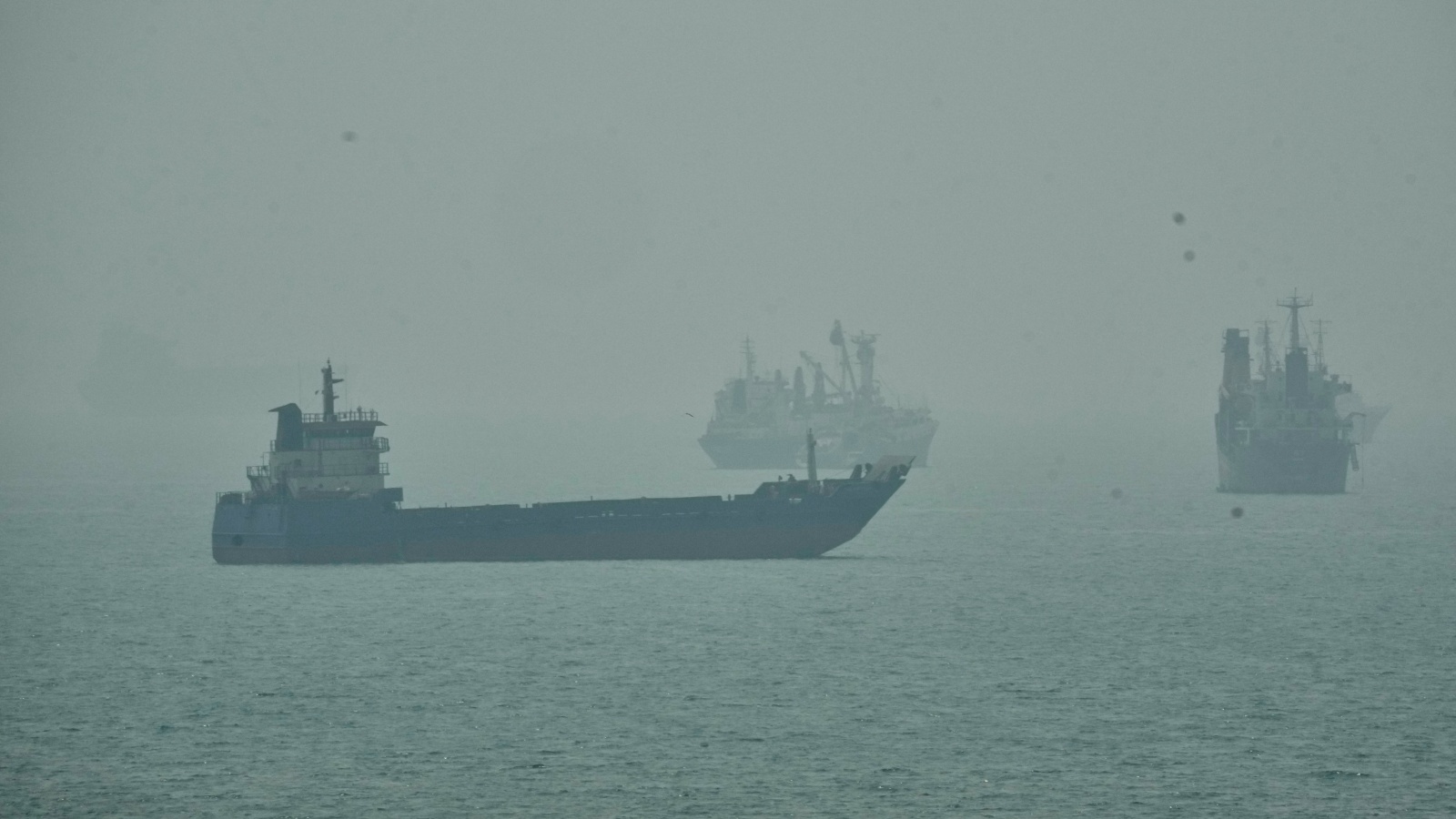
A conflict involving Iran means the potential closure or severe restriction of the Strait of Hormuz. Roughly a fifth of the world's petroleum consumption moves through that narrow body of water every single day. If you disrupt that chokepoint through military escalation, you do not get lower prices. You get a catastrophic supply shock that pushes Brent crude past one hundred and fifty dollars a barrel before Washington can even brief the press.
The idea that a short, victorious war results in a sudden gush of cheap Middle Eastern oil ignores how infrastructure works. Wells damaged by conflict take months or years to bring back online. Pipelines require steady maintenance. Refineries cannot simply switch grades of crude overnight without massive technical retooling.
Why Low Prices Are Actually a Warning Sign
There is a psychological trap surrounding energy costs. Consumers hate paying four dollars a gallon. They feel personally victimized at the pump. Because of that emotional trigger, any promise of cheap fuel bypasses rational critical thinking.
Economists understand a fundamental truth that politicians ignore: sustained ultra-low oil prices are usually a symptom of a dying global economy, not a booming one.
When demand craters, prices plummet. We saw this during the financial crisis and during the pandemic lockdowns. Cheap gas during a recession is cold comfort when your employer is handing out pink slips because global shipping has ground to a halt.
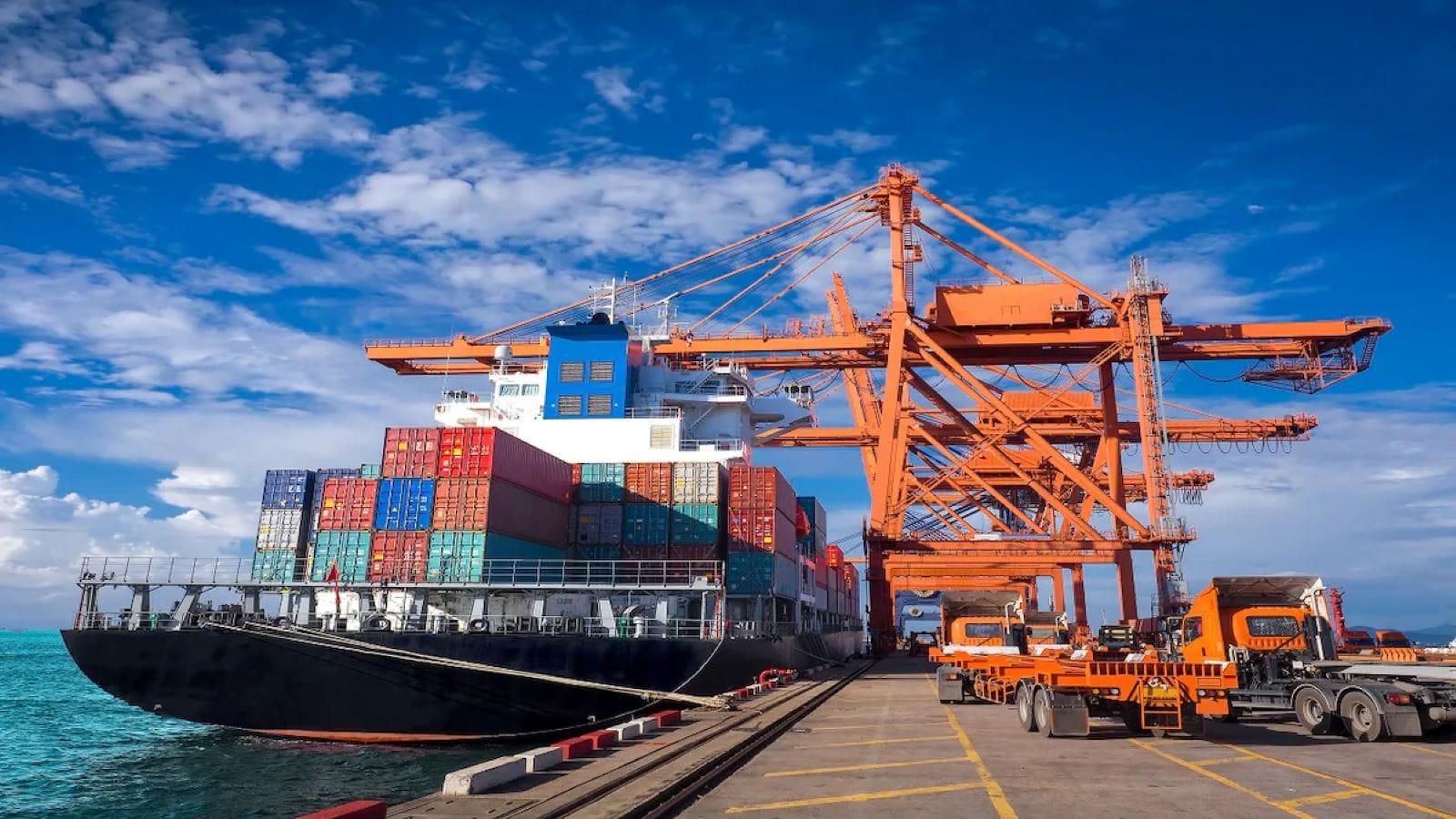
If oil ever genuinely drops to levels that support two dollar pump prices for any length of time, it means global industrial demand has fallen off a cliff. It means manufacturing in Asia, Europe, and North America is contracting sharply. You save twenty bucks a tank on your commute while watching your retirement account bleed out.
The Uncomfortable Truth About American Energy
The contrarian reality is that America benefits from moderate-to-high energy prices, up to a point. Our shale renaissance requires a healthy price floor to justify heavy capital investments in horizontal drilling and hydraulic fracturing. If prices stay too low for too long, capital flees the sector. Production peaks, rolls over, and declines.
Within a few years of forced low prices, domestic output shrinks, import dependency creeps back up, and the country becomes vulnerable once again to foreign cartels.
The strategy that actually works is not looking for a magical political fix or a military crusade to drop pump prices. The strategy is embracing technological efficiency, grid diversification, and letting free markets clear supply and demand without government meddling or empty promises.
Stop voting for economic fantasies. Look at the balance sheets, watch the rig counts, and understand that cheap energy always comes with a hidden invoice.
The next time someone tells you they are going to slash your fuel costs in half with a wave of a military pen, check your wallet. You are about to pay for it somewhere else.