Weather systems don't care about national borders, and a stark reminder of that reality played out when simultaneous tropical threats hammered North America. While Hurricane Simon churned aggressively off Mexico's Pacific coast, the weakening remnants of Tropical Storm Rachel took an inland path that unleashed severe flooding all the way up into the United States Southwest. It was a chaotic double punch that caught communities off guard and exposed just how quickly regional weather patterns can turn destructive.
The Wrath of Hurricane Simon
Hurricane Simon remained offshore as a powerful Category 2 storm, yet its massive outer bands punished coastal towns with relentless winds and torrential downpours. Popular destinations like Puerto Vallarta watched tourists retreat indoors as businesses boarded up their windows and the international airport temporarily suspended operations. Further down the coast in Guerrero and surrounding areas, swollen rivers overflowed their banks while wind gusts ripped through local infrastructure, downing power lines and blocking major roadways. Meanwhile, you can find related events here: The Fragile Warmth Between Two Winters.
The danger wasn't just wind or rising surf. Saturated hillsides gave way under the relentless weight of the rain, leading to deadly mudslides and structural collapses. Emergency services stretched thin as they scrambled to reach stranded residents, reminding everyone that you don't need a direct landfall to experience the devastating power of a major hurricane.
Tropical Storm Rachel Hits Baja and the US Southwest
While Simon commanded attention on the open water, Tropical Storm Rachel wreaked its own unique brand of havoc across Baja California before degenerating into a post-tropical cyclone. Residents in areas like Ensenada woke up to terrifying overnight surges as local streams turned into raging torrents. Floodwaters dragged vehicles away, sheared off roofs, and cut off entire neighborhoods. To see the complete picture, we recommend the detailed analysis by Associated Press.
Military personnel deployed rescue helicopters to pluck trapped residents—including foreign nationals staying at local ranches—from rising waters. The human toll was tragic, with multiple fatalities reported across the peninsula and search-and-rescue teams working around the clock to find missing individuals.
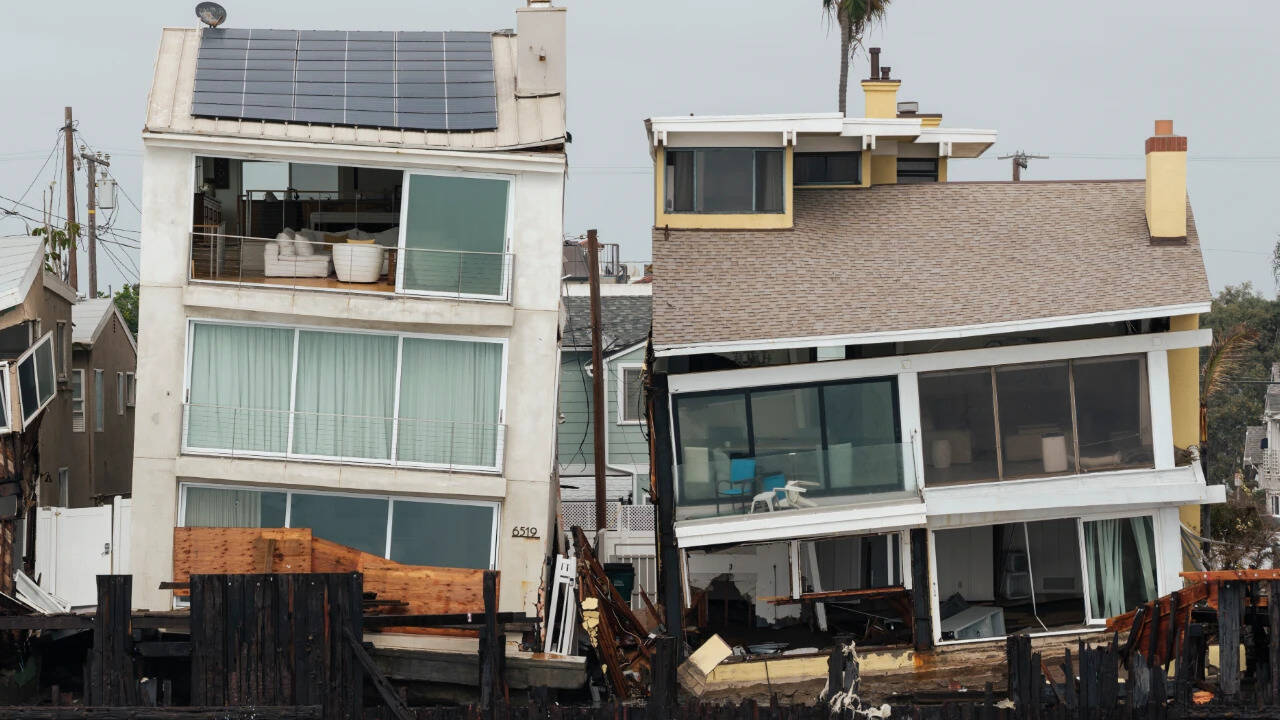
As Rachel's remnants tracked north into California and the broader US Southwest, the storm traded its winds for heavy, persistent moisture. Southern California coastal communities like Long Beach faced unusually aggressive ocean swells that tore apart boardwalks and battered beachfront properties. Meanwhile, desert cities saw rare, intense downpours. Las Vegas recorded over an inch of rain in a shockingly short window, tying historic multi-decade daily records as water rushed down streets near the famous Strip. Even outdoor endurance events in neighboring states faced sudden cancellations and emergency evacuations as flash floods turned hiking trails and dry riverbeds into death traps.
Preparing for Compound Weather Events
Situations like the Simon and Rachel convergence highlight a growing challenge for emergency management. When multiple atmospheric disturbances interact or follow closely on each other's heels, federal and local agencies get stretched to their absolute limits. If you live anywhere near coastal corridors or flood-prone interior valleys, waiting for an official evacuation order is often a gamble you don't want to take. Keep emergency kits stocked, track local meteorological alerts before seasonal peaks hit, and remember that post-tropical remnants can pack just as much water-borne danger as a headline-grabbing hurricane.
At least 6 dead after Hurricane Simon, remnants of TS Rachel brought flooding, landslids to Mexico
This video provides an on-the-ground look at the severe infrastructure damage and rescue operations triggered by Hurricane Simon and the remnants of Tropical Storm Rachel in Mexico.