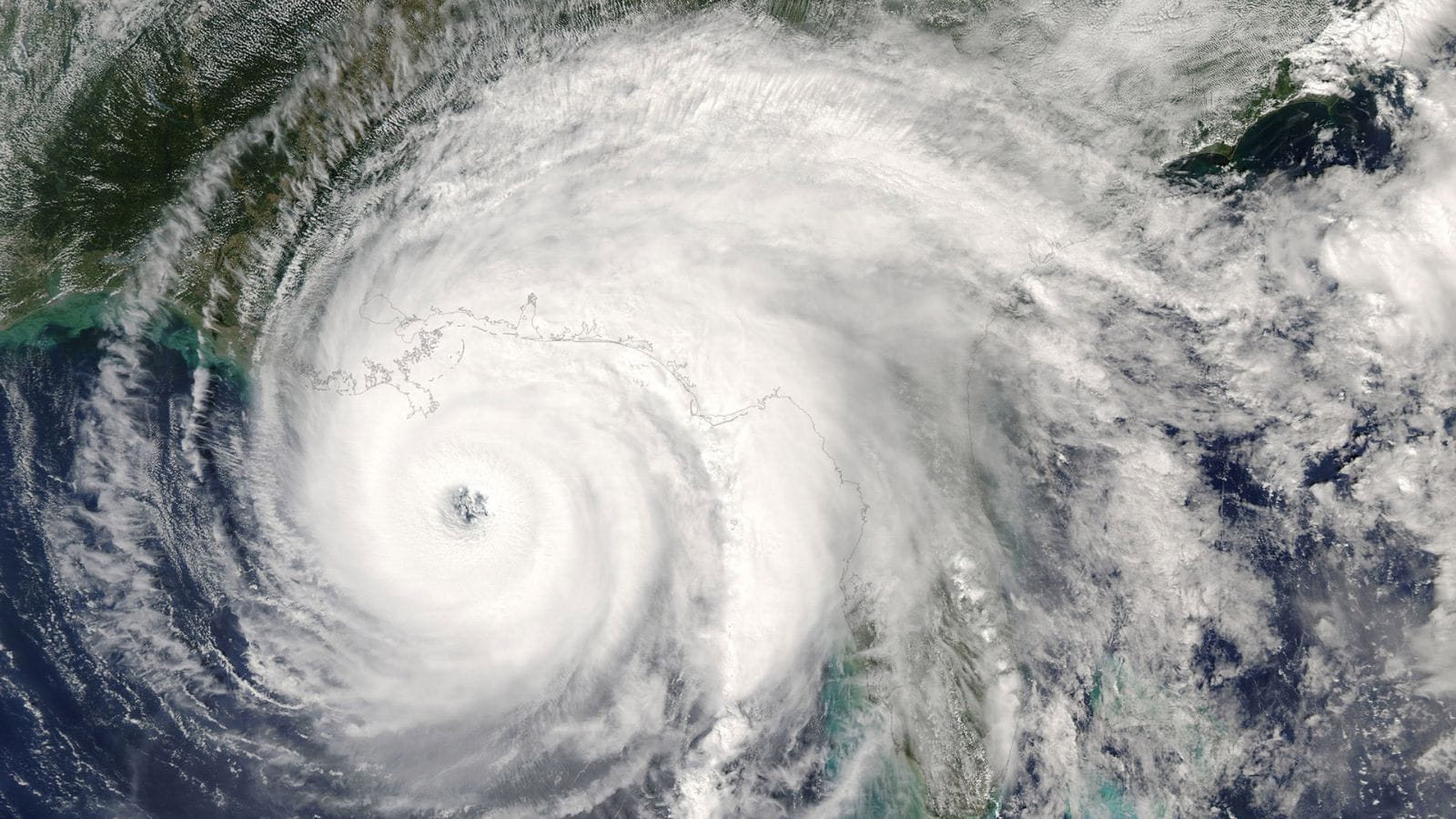
The standard disaster narrative is broken. Every time a tropical depression spins up in the Pacific, the media apparatus fires up the exact same script. The recent coverage of Typhoon Mekkhala is a masterclass in this lazy, copy-paste journalism. Writers who couldn't tell you the difference between convective initiation and a rainband rush to scream about impending doom, flooding risks, and landslide catastrophes.
They treat weather events like freak, unpredictable anomalies. They treat the public like helpless spectators.
This sensationalism isn't just annoying; it is dangerous. By focusing entirely on the raw terror of the immediate hazard, mainstream reporting completely misses the structural reality of disaster risk. Storms are inevitable. Disasters are engineered by bad policy, misallocated funds, and an obsession with short-term emergency response over long-term infrastructure.
Stop reading the panic porn. Let's look at the actual mechanics of why we keep failing to adapt.
The Flawed Premise of the Landslide Narrative
The standard report warns that heavy rainfall causes landslides. It sounds like basic physics, but it ignores the human variables that actually dictate the body count. Rain is the trigger, not the root cause.
When you look at the geomorphology of high-risk zones in the Philippines, the vulnerability isn't just about steep slopes and water saturation. It is about unchecked topsoil degradation, poorly engineered rural road networks that cut into unstable hillsides, and the systematic removal of deep-root vegetation systems.
Mainstream media points at the sky. They should be pointing at local zoning boards.
If a 200mm rainfall event triggers a catastrophic collapse, the failure occurred five years prior when local governments allowed informal settlements or commercial projects to breach geological safety thresholds. Framing these events as purely natural disasters absolves the decision-makers of accountability. It turns structural negligence into an act of God.
The Adaptation Paradox: Why Relief Funds Fail
We love the optics of disaster relief. Politicians standing in front of trucks handing out boxes of rice and instant noodles makes for great television. It feeds the exact cycle that keeps coastal and mountainous communities vulnerable.
Consider the distribution of municipal budgets. The vast majority of resources flow into post-disaster response rather than pre-disaster mitigation. We are spending pesos on clean-up operations when we should be spending centavos on engineering.
- The Mitigation Ratio: Decades of data from institutions like the World Bank show that every single dollar invested in resilient infrastructure saves multiple dollars in future recovery costs. Yet, the political incentive structure favors the visible, immediate gratification of relief work over the invisible success of a flood wall that prevents a disaster from happening in the first place.
- The Gray vs. Green Infrastructure Trap: When cities do build defenses, they default to concrete river walls that frequently shift the hydraulic energy downstream, flooding the next town over. We ignore nature-based solutions—like mangrove restoration and upper-watershed reforestation—because they take a decade to mature and don't look impressive in a campaign brochure.
Dismantling the People Also Ask Panic
When a storm hits the radar, search engines light up with predictable queries. The answers provided by generic news outlets are almost always wrong because they address the wrong anxieties.
Are typhoons getting worse every single year?
The lazy consensus says yes, claiming every storm is unprecedented. The actual data from meteorological agencies paints a more nuanced picture. While sea surface temperatures are driving higher peak intensities and increased moisture availability, the overall frequency of tropical cyclones in the Western Pacific has remained relatively stable over historical baselines. The real variable that is changing isn't the meteorology; it is the exposure. More people, more assets, and more poorly constructed buildings are occupying high-risk zones than at any point in history. The hazard is consistent. The vulnerability is exploding.
Can we build typhoon-proof cities?
The premise itself is flawed. You do not design a city to be an impenetrable fortress against nature; you design it to fail gracefully. True resilience means accepting that water will enter the urban environment. It means building sacrificial green spaces, porous pavements, and elevated transport corridors that can handle inundation without crippling the entire economic engine of the region.
The Tech Delusion: Why Early Warning Systems Are Not Enough
Silicon Valley and international NGOs love to pitch high-tech solutions. They promise that AI-driven predictive modeling, satellite imagery, and SMS alert networks will solve the climate adaptation crisis.
I have spent years looking at how these systems deploy on the ground. The tech is rarely the bottleneck.
You can have the most accurate meteorological model on earth, predicting a landslide down to the exact square meter, twelve hours in advance. But if the community at risk lacks a clear, physically accessible evacuation route, or if they refuse to leave because they fear their homes will be looted due to a lack of local security, the technology is useless.
An alert on a smartphone does not fix a broken social contract. True early warning requires trust, hyper-local organization, and physical infrastructure that allows people to act on the information they receive. Without that, a high-tech alert is just a digital countdown to an avoidable tragedy.
Stop Managing Disasters, Start Architecting Resilience
We need to radically change how we evaluate these events. The next time a storm like Mekkhala approaches, change the metric of success. Stop counting the number of relief packs distributed. Start counting the number of building code violations enforced in high-risk zones.
Force local leaders to justify why they are investing in superficial beautification projects instead of upgrading subsurface drainage systems. Demand transparency on how climate adaptation funds are actually spent on the ground.
The weather isn't going to cooperate. The ocean isn't going to get cooler anytime soon. We can either keep acting surprised every time it rains, or we can finally grow up, stop chasing the panic narrative, and build a society designed to endure. Fix the infrastructure or get out of the way.


