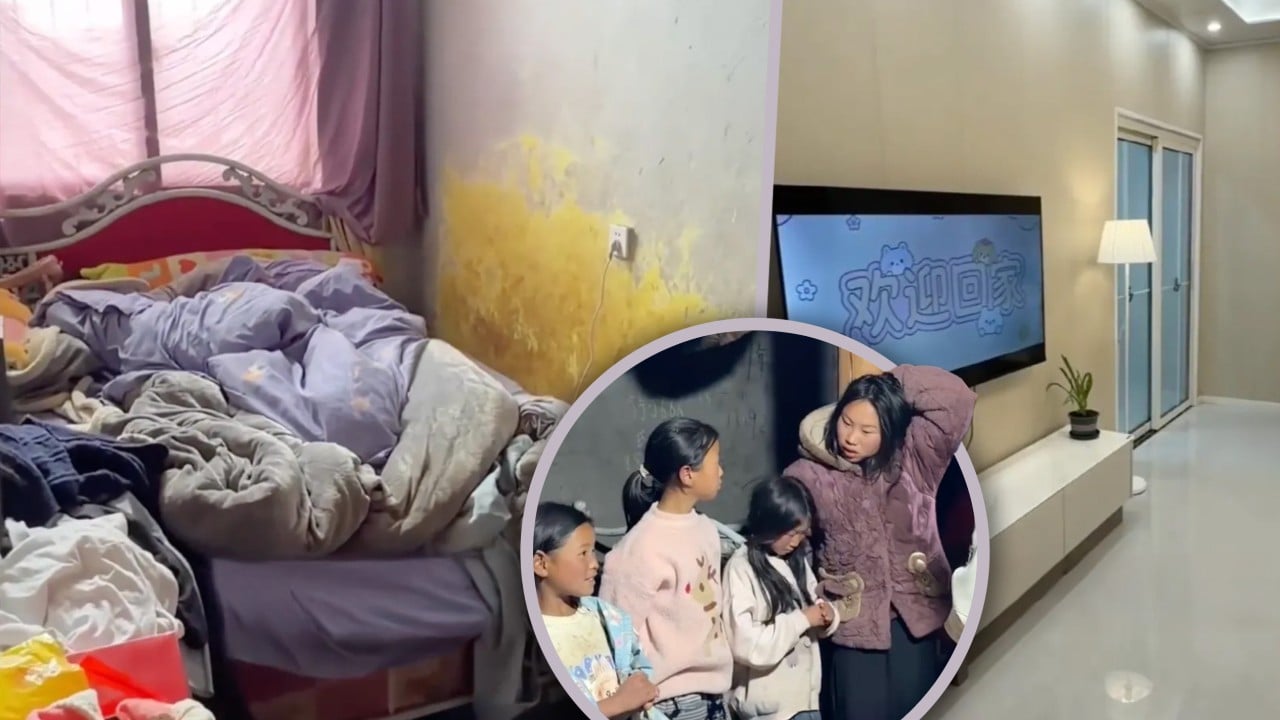
Social media isn't real life. We all know this, yet we keep falling for the same tear-jerking scripts. Recently, a story went viral in China about an influencer building a brand-new house for a young girl who claimed she was raising her sisters alone. It sounds like a modern-day fairy tale. People praised the creator for their "selfless" act. But if you look closer at how the influencer economy actually works, the fuzzy feelings start to fade. This isn't just a story about charity. It's a case study in how poverty is packaged and sold for likes, and why you should be skeptical the next time a "hero" creator pops up on your feed.
Why the Internet Fell for the Sisterhood Story
The narrative was perfect for the algorithm. A young girl in rural China, supposedly abandoned by parents or dealing with massive family drama, stepping up to be the sole provider for her younger siblings. It hits every emotional beat. It triggers our protective instincts. It makes us want to help. In the world of Douyin (China's version of TikTok), these "melancholy rural" videos are a massive genre.
Creators look for "raw" stories because raw sells. When an influencer stepped in and promised to build this girl a house, the internet went wild. The "hero" narrative was born. But let's be real about the motivation here. Building a house costs money, sure. But the engagement, the new followers, and the brand deals that come from being "the person who built a house for an orphan" are worth ten times that investment. It's a business transaction masked as a miracle.
The Problem With Influencer Led Charity
When a charity or a government agency helps someone, there are rules. There’s oversight. When an influencer does it, the only rule is "make it look good on camera." This leads to some serious ethical issues that nobody wants to talk about.
First, there’s the issue of consent. Does a child in a vulnerable position really understand what it means to have their face and their "tragic" life story broadcast to millions? Probably not. They just know they're hungry or their roof leaks. They'll say whatever the person with the camera wants them to say.
Second, what happens when the camera stops rolling? Building a house is a one-time expense. Maintaining it isn't. Paying for school, food, and healthcare for years to come is where the real work happens. Most influencers disappear once the "reveal" video gets its peak views. They move on to the next project because the algorithm demands fresh content. The girl is left in a nice house, but with the same systemic poverty issues she had before, only now her private life is public property.
Spotting the Signs of Scripted Poverty
You've probably seen these videos. They usually have the same aesthetic: muted colors, sad music, and a focus on dirty hands or empty bowls. While the poverty in rural China is a very real issue, the way it's presented in these viral hits is often highly curated.
- Perfect Timing: Notice how the camera is always in the right place at the right moment? That’s not luck. That’s a storyboard.
- The Emotional Arc: Every video follows a three-act structure. The struggle, the intervention, and the tearful gratitude. Real life is messier than that.
- Over-the-Top Drama: If the "family drama" sounds like a soap opera, it probably is. Influencers often coach their subjects to exaggerate details to make the story more "click-worthy."
The girl who claimed to be raising her sisters alone might be in a tough spot, but influencers have a track record of "borrowing" children or creating fake scenarios to drum up sympathy. In 2023, several Chinese creators were banned for faking poverty-stricken lives to sell agricultural products. They’d film in front of a broken-down shack then drive home in a Mercedes. While this house-building case seems to involve a physical building, the narrative surrounding the family is often stretched thin.
The Business of Virtue Signaling
Let's talk numbers. A house in a rural village might cost $15,000 to $30,000 to build. If that video goes viral and gains the influencer 2 million followers, their "price per post" for future advertisements skyrockets. They aren't losing money. They're buying an audience.
It's a form of "charity porn." We watch it to feel good about ourselves without actually doing anything. We hit the like button and think we’ve contributed to a better world. But we’ve actually just rewarded someone for exploiting a child’s hardship.
The girl becomes a prop. The influencer becomes a saint. The audience becomes a customer base.
Better Ways to Actually Help
If you actually care about rural poverty or kids in tough spots, don't look to influencers. Look to established NGOs that have been on the ground for decades. They don't need a ring light to do their jobs.
Organizations like the China Rural Development Foundation or various international groups focused on child welfare work on systemic issues. They build schools, not just single houses for "special" cases that happen to be photogenic. They provide teacher training and medical clinics. They don't film the kids crying to get donations.
What You Should Do Next
Stop rewarding the spectacle. When you see a video of an influencer "saving" someone, don't share it. Don't comment "bless you." Those actions just tell the algorithm to show that video to more people, which encourages more creators to go find more vulnerable kids to film.
Question the narrative. Ask yourself why this person is filming this. If they truly wanted to help, they could do it quietly. The fact that there's a professional edit and a high-def camera involved tells you everything you need to know about their priorities.
Support local, boring, un-filmed charity. Give your time or money to organizations that provide long-term support. Real change isn't a 60-second clip with a sad piano soundtrack. It's hard, quiet, and usually doesn't look good on a smartphone screen.
Next time you see a "hero" builder on your feed, keep scrolling. The best way to protect these kids is to make their exploitation unprofitable.